This week’s Legislative Day in Olympia, Washington, was a strong example of what’s possible when students, faculty, alumni, and professional partners come together in shared purpose. In partnership with the Washington State Pharmacy Association, the UW School of Pharmacy community showed up in record numbers to engage directly with state lawmakers.
In total, 115 pharmacy students and 20 pharmacists—including six faculty members and several alumni—participated in 60 meetings with Washington State legislators. Conversations focused on pharmacist prescriptive authority and educating lawmakers on how policy can improve patient access to care while helping address healthcare affordability across the state. Student participation reached an all-time high.
Several factors contributed to the day’s success: legislation that resonated deeply with students’ training and future roles, and—most importantly—the leadership of a dedicated, well-prepared group of student leaders who helped guide and organize their peers. Legislative Day gives students a meaningful opportunity to represent the School and the profession while developing practical skills in advocacy, leadership, and state health policy.
A special thank you to everyone who helped make the day productive and impactful, including Walgreens and QFC for their support of our students’ participation.
At the UW School of Pharmacy, excellence takes many forms. We celebrate not only academic success and groundbreaking research, but also the passion, initiative, and innovation our students bring to every challenge. This month, we’re proud to honor six exceptional students who embody the very best of our community through their creativity, leadership, and dedication to making a difference.
HUI-HSUAN CHAN – 2025 MAGNUSON SCHOLAR
CHOICE PhD student Hui-Hsuan Chan was selected as the School’s 2025 Magnuson Scholar—an honor presented annually to one student from each of UW’s six Health Sciences schools. Funded by the Warren G. Magnuson Institute, the award recognizes both academic achievement and the potential for impactful research in fields like diabetes and public health.
“I’m honored to be selected as a 2025 Magnuson Scholar representing the School of Pharmacy,” Hui-Hsuan said. “This award provides generous support for my continued research into improving healthcare sustainability and managing high-cost chronic conditions like diabetes. I’m grateful for the opportunity to contribute to meaningful, lasting impact.”
ZIZI ELSISI – OUTSTANDING DISSERTATION AWARD
Zizi Elsisi, a PhD graduate of the CHOICE Institute, was honored with the 2025 Outstanding Dissertation Award for her rigorous and timely work on subscription-based payment models for Hepatitis C treatment in Louisiana and Washington.
“It’s an incredible honor to receive the Outstanding Dissertation Award for my research on subscription-based payment models for hepatitis C treatment in Louisiana and Washington,” Zizi said. “This work highlights how innovative financing strategies can improve access to cure medications for vulnerable populations. I’m proud to contribute to research that bridges policy and real-world impact. I’m especially grateful to my advisor, Dr. Anirban Basu, and the CHOICE Institute for their invaluable mentorship and support throughout this journey.”
CHRIS ARIAN – OUTSTANDING DISSERTATION AWARD
Chris Arian, from the Department of Pharmaceutics, also received the 2025 Outstanding Dissertation Award for his development of an intestinal microphysiological system (MPS) using a long-term cultured enteroid monolayer model. His innovative research is poised to significantly advance the field of drug metabolism and drug–drug interaction (DDI) prediction.
“It is an incredible honor to receive the School of Pharmacy’s Outstanding Dissertation Award,” said Chris. “Achieving this award would not have been possible without the support of my mentors, Dr. Ken Thummel and Dr. Ed Kelly, my partner Marelle for her encouragement and presence in my life, and my lab mates for their friendship and scientific discussions.”
AURORA AUTHEMENT – GRADUATE STUDENT LEADERSHIP AWARD (PHARMACEUTICS)
PhD candidate Aurora Authement was recognized with the School’s 2025 Graduate Student Leadership Award for her outstanding contributions to the Pharmaceutics Department and her mentorship within the student community.
“I’m honored to receive the Graduate Student Leadership Award,” said Aurora. “This recognition affirms the importance of fostering an inclusive, collaborative scientific community, and I’m grateful for the opportunity to contribute to the growth and success of my peers. I’m also deeply thankful to my mentors, including Ken Thummel and Nina Isoherranen, whose guidance and support have been instrumental in shaping my development as a leader.”
ALESI ESCOBEDO – GRADUATE STUDENT LEADERSHIP AWARD (MEDICINAL CHEMISTRY)
Medicinal Chemistry PhD candidate Alesi Escobedo was selected for the 2025 Graduate Student Leadership Award in recognition of her exceptional service, mentorship, and positive impact across the department.
“I’m truly honored to receive this award,” said Alesi. “It’s been a privilege to contribute to our department and support the next generation of scientists coming up behind me. Receiving this recognition reinforces my belief that a supportive community empowers us all to grow and succeed together.”
TORI DAYER – GRADUATE STUDENT LEADERSHIP AWARD (CHOICE)
Tori Dayer, PharmD and current PhD student at the CHOICE Institute, received the 2025 Graduate Student Leadership Award for her lasting impact on the program and her peers.
“Being part of the CHOICE and School of Pharmacy community has continually inspired me to grow and collaborate,” Tori said. “I am very honored to receive this award and to have had the opportunity to contribute to such a wonderful community!”
These students represent the best of what our School stands for: academic excellence, leadership, and a deep commitment to improving healthcare for all. Please join us in congratulating Hui-Hsuan, Zizi, Chris, Aurora, Alesi, and Tori on their outstanding accomplishments. Their work is shaping the future of pharmacy and public health—and we couldn’t be prouder.
Congratulations to Michiko Hunter, Chloe Miranda, Howard Nguyen and Kathryn Versteeg for placing among the top five teams in the AMCP Foundation’s 25th Annual National Pharmacy & Therapeutics (P&T) Competition – a major achievement!
Hosted by the Academy of Managed Care Pharmacy (AMCP), this prestigious competition invites student pharmacists to take on the role of formulary decision-makers, tackling complex clinical and economic data to make evidence-based recommendations – just like the professionals shaping real-world healthcare policies.
This year, six teams of UW PharmD candidates entered the local competition, analyzing Velsipity (etrasimod) – a new small molecule therapy for ulcerative colitis – using a comprehensive product dossier provided by Pfizer.
Over winter break, students dug into the research, synthesized data and developed a full formulary monograph and strategic presentation for a mock health plan’s P&T committee.
Kathryn, Chloe, Michiko and Howard won the UW round and advanced through two highly competitive national phases. Out of 43 participating pharmacy schools, they were one of just five teams invited to present live at the AMCP Annual Meeting in Houston – a top-five national finish that reflects both academic excellence and outstanding professionalism.
Dr. John Watkins – affiliate professor and residency program director for the UW School of Pharmacy – served as the team’s faculty advisor. “Kathryn, Chloe, Michiko and Howard delivered a polished presentation, clearly the result of much study and practice,” reflects Watkins. “Together, they handled the judges’ questions with ease, indicating in-depth knowledge of the drug and disease state. I’m pleased that the Foundation is honoring their achievement.”
Before their national success, the team earned first place at the local level, where a team of first-year PharmD candidates – Zoe Friedman, Jackson Gilmour, Jamie Paik and Jackson Yu – also impressed the judges, earning second place. Under the mentorship of third-year pharmacy student Jenna Wildeman, the team sharpened their skills and grew their confidence through the venture.
“We were thrilled to place second,” Paik says. “More importantly, the experience deepened our understanding of formulary decision-making and the critical evaluation of clinical and economic data.”
With more than 4,800 members nationwide, AMCP plays a key role in shaping the future of managed care pharmacy – and UW student pharmacists are making their mark. As the healthcare landscape grows increasingly complex, opportunities like the P&T Competition equip Husky Pharmacists with the skills to lead with insight, precision and purpose.
We’re proud of all the Huskies who stepped up to the challenge this year – and especially proud to see our students earning national recognition on one of pharmacy’s most competitive stages.
As part of an elite cohort of 16 graduate students across Washington State, Williams will receive financial support, mentorship and interdisciplinary collaboration opportunities aimed at expanding access to bilingual and culturally responsive healthcare.
“I’m incredibly blessed and honored to be selected as one of the 2025 Graduate Student Fellows,” Williams reflects. “Thank you to the Latino Center for Health for this opportunity and for continuing to invest in the next generation of healthcare leaders dedicated to equity and inclusion,” he continues. “It’s a privilege to join a dynamic cohort of graduate students from across Washington State who are passionate about expanding access to bilingual and culturally responsive care for Latine communities. I’m committed to using my platform – and future career – to help advance healthcare equity.”
With a growing demand for Latinx and Spanish-speaking healthcare professionals, this program plays a crucial role in strengthening the future of equitable healthcare in Washington state.
We’re so proud of you, Malik! Your pharmacy community can’t wait to see what you do next.
The American College of Apothecaries Research and Education Foundation recently announced that PY1 PharmD student Holly Seyler has been awarded the Pharmacists Mutual | ACA Foundation Community Pharmacy Scholarship.
Pharmacists Mutual Insurance Company (www.phmic.com) donated funds to the American College of Apothecaries Research and Education Foundation to create the Pharmacists Mutual | ACA Foundation Community Pharmacy Scholarship. These scholarships are awarded to student pharmacists who have demonstrated academic excellence and a commitment to advancing the future of community pharmacy in the United States.
A student member of the American College of Apothecaries (ACA), Holly focuses on the importance of political advocacy for patient choice and access. Holly willingly advocates for the compounding pharmacy profession and volunteered her time as a teaching assistant for the UW Pharmaceutics Compounding Lab Course in Seattle, WA. Her leadership and commitment have contributed positively to the future of compounding pharmacy.
Holly is currently a Pharmacist Intern at Clark’s Compounding Pharmacy in Bellevue, WA, where she continues to distinguish herself as a leader in the pharmacy community and devotes her life to patient-centered healthcare.
PharmD PY1 student Holly Seyler is among 20 student pharmacists across the country recently selected by the American Association of Colleges of Pharmacy for the inaugural cohort of the AACP Aspiring Academics Program.
Aspiring Academics will have the opportunity to learn from two distinct faculty member mentors, one from within their own institution (the home mentor) and one assigned by AACP (the AACP group mentor)-all while building a national network of peers interested in academia.
AACP received more than 200 applicants from student pharmacists across the country, and selected 20 based on their credentials, a statement of experience and future career goals, and their faculty mentor’s support.
By the completion of the program, students will be able to describe the various types of pharmacy faculty positions; state the expectations of faculty regarding scholarship, teaching and service; discuss the process and skills needed to advance in a career in pharmacy academia; develop a network of peers and mentors interested in academia and more.
“Holly sees practicing and receiving feedback to refine skills as an opportunity for continuing development so she and her peers are able to better care for their future patients and community,” said Rachel Allen (PharmD, BCACP), who will serve as Holly’s UWSOP faculty mentor throughout the program. “Her positivity and willingness to lead by example helps to cultivate a culture that embraces a growth mindset and a passion for learning.”
The School of Pharmacy is proud to announce the UW AMCP Chapter P&T team placed second at the National Student Pharmacist Pharmacy & Therapeutics (P&T) Competition finals! The event, which took place March 22 during the annual AMCP conference in San Antonio, is an annual team competition designed to provide an immersive experience in the skills necessary for effective formulary review and management.
“We are extremely grateful for both the financial support our team received to attend the conference and the mentorship and coaching we were provided,” said UWSOP team member Jonathan Luong, following the competition.
In addition to Jonathan, the 2023 P&T team also includes second-year PharmD students Tiffany Tran, Regina Meng, and Reda Ali.
“We received so many positive comments about the strength of our chapter, and it is undoubtedly due to the continued support that we receive from UWSOP,” Jonathan added. “We are very thankful for this experience and are excited for future opportunities to represent the school.”
Learn more about the UWSOP AMCP student chapter here.
The UWSOP Faculty Innovation Award provides financial support of up to $20,000 each for high-risk, innovative research projects. The reviewers look for projects with high scientific merit and great potential to generate extramural funding. This year, four UWSOP faculty were honored with this award.
Qingxin Mu
Qingxin Mu, Acting Assistant Professor in the Department of Pharmaceutics, has been selected for his proposal titled, Drug Combination Nanoparticle-Enhanced Chemo-Immuno Therapy of Metastatic Breast Cancer.
A long-term goal of Mu’s research is to develop advanced and well-understood drug delivery approaches that enhance current and future single drug therapy and drug combination therapy of metastatic cancers.
Yvonne Lin ’02, Associate Professor in the Department of Pharmaceutics, has been selected for her proposal titled, Assessing the Drug Interaction Potential of Postbiotic Supplementation.
Yvonne Lin
Research has shown that the microbiome plays a vital role in metabolism, health, and disease. Consumers are increasingly interested in dietary supplements, such as probiotics, prebiotics and postbiotics, that supposedly support digestive system health in addition to other uses.
Little is known about how these “biotics” products affect the metabolism of other drugs, like Tylenol, when taken at the same time. Lin hopes that this research will lead to a better understanding of how these supplements influence drug effectiveness in the body during all stages of life from newborn to the elderly.
Brian Werth
Brian Werth, Associate Professor in the Department of Pharmacy, has been selected for his proposal titled, Long-acting Lipoglycopeptide Cross-Resistance Potential in Colonizing Opportunistic Pathogens.
For Werth, this funding will facilitate a pivot from testing the target pathogens like MRSA, toward studying other opportunistic pathogens that live on human skin and in intestines and examining the effects of long-lasting antibiotics on other pathogens.
Abhinav Nath
Abhinav Nath ’08, Associate Professor in the Department of Medicinal Chemistry, has been selected for his proposal titled, Discovering Modulators of Self-Assembly and Aggregation by the ALS-linked Protein TDP-43.
Nath and his group are developing new and powerful methods to characterize and control protein dynamics, building on recent advances in biophysics, biochemistry, and pharmacology from groups around the world.
“My lab studies the formation of toxic protein aggregates, a hallmark of major incurable neurodegenerative disorders including Alzheimer’s disease and amyotrophic lateral sclerosis (ALS), also called Lou Gehrig’s disease,” Nath said.
The PharmD office of Recruiting and Admissions is seeking volunteers to support virtual admissions interviews, particularly among recent alumni. PharmD interview days are the most important recruitment events that we host each year. While we are evaluating applicants on their fit for our program, we know that most applicants will use the interview day to determine if UW is the right fit for them.
We’ve heard from many current students that their interview experience was one of the most important factors in leading them to attend UW. One of the most valuable components of the interview day is a panel that we host with current PharmD students and SOP alumni. This year in particular, when we cannot physically invite applicants to campus, the student and alumni panel allows applicants to get a sense of what life is like as a UW SOP student and allows applicants to see themselves as future Husky Pharmacists. The 45 minute panel is led by an SOP admissions staff member and includes introductions, reflections on the UWSOP student experience and concludes with an opportunity for applicants to ask questions directly to the panel. Participants in the panel should expect to address the following types of questions:
Why did you choose to attend the University of Washington School of Pharmacy?
Why did you choose to go to pharmacy school?
What did you like best about UWSOP?
What is your biggest piece of advice for prospective pharmacy students?
What types of clubs/organizations were you a member of within UWSOP?
Did you work outside of school? If so, how did you balance work and school?
Can you give some examples of the types of sites where you did your IPPEs or APPEs
UW School of Pharmacy Assistant Professor Ryan Hansen, PhD, PharmD, and principal/Chief Technology Officer at Kelley-Ross Pharmacy.
Never doubt the profound impact that our faculty and alumni have had on health care nationwide through decades of advocacy for increased access to patient care.
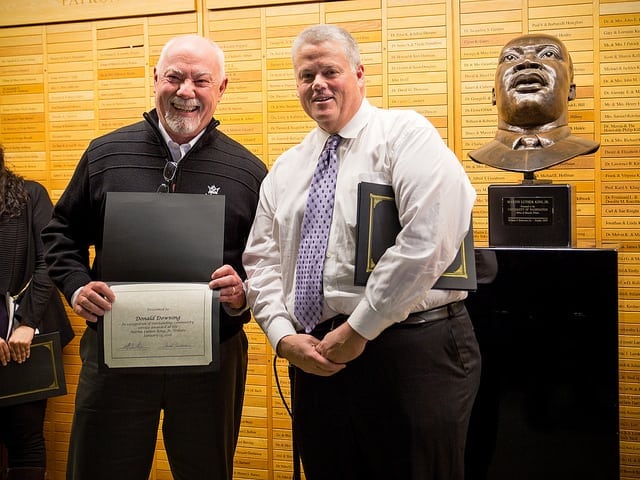
“Pharmacists are the medication experts on the health care team and in the community. Thanks to our work, in addition to improved care at hospitals and clinics, busy people can just pop into their local pharmacy to get the care they need.”—Don Downing, ’75, I2P2 Endowed Clinical Associate Professor
Increasingly, deadly illnesses are becoming chronic illnesses thanks to advances in drug development and improved medical care. This change calls for increased interprofessional expertise on the health care team—which is where pharmacists come in.
The movement to increase the role of the pharmacist on the health care team began in earnest forty years ago. In 1979 Washington became one of the first states in the country to enact legislation to allow pharmacists to participate in collaborative drug therapy agreements (CDTA) with physicians. UWSOP alumnus Tim Fuller, ’69, was instrumental in the process to create these agreements.
As noted in Sean D. Sullivan’s article, “Pharmacists as health care providers” in the Journal of the American College of Clinical Pharmacy, “In addition to granting pharmacists dependent prescriptive authority, the revised Practice Act allowed for the direct administration of drugs, drug use monitoring and management, and the ability of pharmacists to order, review, and use laboratory tests to modify drug therapy.” Most importantly, these services were extended to all licensed pharmacists in the state, as long as they had a CDTA.
The 1990s saw big changes in pharmacy practice in Washington state. Recognizing that pharmacists were both underutilized and the most accessible health care providers, Jackie Gardner and Don Downing, ’75, worked together to expand what a pharmacist could do. They began with advocating for and training pharmacists to administer vaccinations—now a nationwide and growing global practice.
Don and Jackie went on from that success to develop the nation’s first pharmacist-provided emergency contraception program and the first pharmacist-initiated ongoing hormonal contraception services. In 1995, the “Every Category of Health Care Provider Law,” was passed, stating that private insurance companies could not exclude licensed providers from their networks, so long as the services provided were within the scope of their license. Initially not considered eligible under this Act, Don advocated for pharmacist inclusion. In 2013, he petitioned the Washington State Insurance Commissioner and the Attorney General to issue legal opinions that Pharmacists had to be included. He followed those supportive opinions with advocating for legislation that required insurers to compensate pharmacists for their clinical work, not just drug dispensing.
That legislation passed successfully in 2015.
The increased access to care provided by pharmacists has been supported by the alumni-supported Institute for Innovation in Pharmacy Practice (I2P2) Endowment.
Jackie Gardner | Epidemiologist & Legendary Advocate for Increased Access to Care
Jackie was co-director of the Retail Pharmacy Management Program and led the Institute for Innovation in Pharmacy Practice (I2P2)—the I2P2 fund was later named after her—in addition to being an early PORPP faculty member. She worked as a pharmacy technician, which inspired her strong advocacy for expanding pharmacy services to include immunization, contraception, and other value-added care. “Jackie changed the profession of pharmacy and the way individual pharmacists embraced patient care,” said Don Downing.
Tim Fuller, ’69 | Father Of Pharmacist Collaborative Drug Therapy
Tim was instrumental in the process to create collaborative drug therapy agreements. He began with a study of the 60 prescriptive authority protocols that were filed in the Board of Pharmacy office, showing an overwhelmingly positive response by physicians and pharmacists to pharmacists prescribing in collaboration with physicians. He worked with pharmacists to expand this practice. His book, The Handbook of Collaborative Drug Therapy, provided templates for pharmacists to use. He is the 2018 PAA Distinguished Alum.
Don Downing, ’75 | Advocate for Pharmacy and Women’s Reproductive Health
After graduating from UWSOP, Don was asked by the Puyallup Tribe to help them open up a tribal health clinic – a clinic where he remained for the next 10 years. He developed the nation’s first pharmacist-provided emergency contraception program and the first pharmacist-initiated ongoing hormonal contraception services. He also helped lead the effort in the 1990s to educate and certify pharmacists in Washington state and numerous other states to provide flu shots and other vaccines.
Jennifer Bacci | Assistant Professor & Community Pharmacy Researcher
Jennifer’s primary research interest focuses on the application of implementation science to evaluate and advance the adoption and reach of innovative patient care models in community pharmacy practice, including being co-investigator on PROJECT VACCINATE with Peggy Odegard. The team saw a 14% increase in the number of influenza, pneumococcal, herpes zoster, and pertussis vaccinations in just one year as a direct result of their work, which was supported by the Centers for Disease Control and Prevention (CDC) and National Association of Chain Drug Stores (NACDS).
A chance meeting on a train between a Seattle pharmacist and Chicago businessman turned an ointment created in L.D. Bracken’s pharmacy into an international brand.
“Many people don’t realize how inventive pharmacists have been throughout history. L.D. Bracken’s story is a great example of the kinds of transformative products and entrepreneurial spirit that often begin in the local, community pharmacy.”—Andy Stergachis, Associate Dean for Research, Graduate Programs, and New Initiatives
The Bracken family has made significant contributions to pharmacy practice—initially through a compounding invention, and decades later through their investment in creating a state-of-the-art pharmacy learning lab here at the UW School of Pharmacy.
Born in Nebraska in 1892—the same year as UWSOP alumna Alice Ball—Louis D. (L.D.) Brackenattended the UW School of Pharmacy from 1912-1913. He went on to found the L.D. Bracken Pharmacy in 1921, ultimately with locations in downtown Seattle in the Cobb Building and on First Hill. In the great tradition of compounding pharmacists, L.D. was an inventor, in addition to being an entrepreneur and health care provider.
Not long after graduating from UWSOP, he created a formula for cold sores that he called Blistex. L.D. was a gifted pharmacist and businessman who needed a partner who could help him with marketing and business expansion. But with Shark Tank 90 or so years in the future, where would he find that kind of business partner?
It was in 1925 when L.D. met Charles Arch while the two were traveling the U.S. by train. Charles was a sales man working for a company that made collapsible metal tubes (like toothpaste tubes), The two struck up a conversation and later agreed for Charles to purchase the rights to make and distribute L.D.’s product.
L.D. kept the trademark and earned royalties on the sales—while continuing his vital pharmacy business in Seattle. His son, Jim L. Bracken, followed in his father’s footsteps, graduating from UWSOP in 1945 and then joining his father’s pharmacy business.
Interestingly, alumna Pat Tanac, ’45, also worked for L.D. Bracken Pharmacy when she graduated. She was one of 2 co-founders of Chi Collegiate Chapter of Lambda Kappa Sigma, the professional fraternity for women in pharmacy Pat and her husband Robert Tanac, ’45, are founding members of and the Dean’s Club and Pharmacy Alumni Association.
When L.D. died in 1954, Jim became president of the company. L.D. and Jim were beloved leaders in the profession, serving as presidents of the Washington State Pharmacists Association and as founding members of the American College of Apothecaries.
Bracken Pharmacy Learning Center opened up a more fluid pedagogical space
Jim was also named Pharmacist of the Year for King County. He passed away in 1984. Jim’s wife, Sharon M. Bracken, and their children, Laura Bracken Clough, Carol Bracken Clemency, and John L. Bracken, continue to value and honor the contributions that L.D. and Jim made to the profession of pharmacy.
Sharon established the Bracken Endowment in memory of Jim and L.D. In 2012, UWSOP opened the Bracken Pharmacy Learning Center, which continues as a hub of training excellence for the next generation of Husky Pharmacists.
UWSOP implements the Purple Curriculum with new Wednesdays in Practice, Provider Readiness Training and more
UW School of Pharmacy’s PharmD program trains pharmacists to think critically and be prepared for a future of health care that requires the advanced skills and knowledge of the Husky Pharmacist.
“The UW School of Pharmacy is one of the first pharmacy schools in the U.S. to offer hands-on experiential training to student pharmacists from the start through the transformative Wednesdays in Practice and Provider Readiness series.”—Peggy Odegard, Associate Dean and Lynn and Geraldine Brady Endowed Professor of Pharmacy
As the UWSOP Strategic plan comes into its fifth year, we are launching the new Husky Pharmacist curriculum. This approach to pharmacy training makes the UW one of the few schools of pharmacy nationwide that offers experiential training from the start of our student pharmacists’ first year. Not only that, but our students won’t just be observing as is the case in some other first year experiential programs, they will be working directly with patients, learning to interview, gathering information, considering the patient’s holistic needs, and gaining critical continuity in their learning with application to practice from the classroom.
Our student pharmacists train in the Bracken Pharmacy Learning Center
This novel approach to training prepares our student pharmacists to be active members of the health care team in the new age of Pharmacist Provider Status here in Washington state. Over the past several years, the Curricular Innovation team, led by Associate Dean Peggy Odegard, ’85, ’90, developed a plan to prepare our student pharmacists for a future that calls for more leadership, entrepreneurial skills, even community-building and advocacy—in addition to the excellent training they already receive in medicinal chemistry, pharmacology, clinical pharmacy, and patient care. Whether it’s to be full members of the health care team or to pitch a new approach to patient care, to manage an independent pharmacy, or to lead a health system, our student pharmacists’ professional and interprofessional skills need to be as strong as their scientific knowledge.
Research shows that learning gained through direct experience is the most powerful for health providers’ training experience. As more people take medications to manage their health, Washington state recognized the vital role of the pharmacist in improving patient care and health outcomes. Chronic health conditions, such as diabetes and hypertension, are primarily treated with medications—and viruses like HIV and Hepatitis C are now chronic or curable illnesses, rather than terminal diseases, thanks to advancements in medications.
In addition, the new curriculum places high value on the learning that occurs both inside and outside the classroom—formalizing training in leadership and professional development, advocacy, and innovation and valuing the extensive experience and perspective our students gain through student organizations, at health fairs, and by stepping into the community through events and engagement.
Being a leader is different from being a manager, Peggy emphasized. “When our Husky Pharmacists see gaps and opportunities, we want them to step up and advocate for the benefit of the patient.”
Advance your career as a pharmacist at the University of Washington. Learn more about our nationally and globally top-ranked PharmD Program.
UWSOP PharmD students train to be full members of the health care team in our Bracken Lab
Certificates of Merit in Precepting
Our Experiential Education team recently completed our annual preceptor review process as part of our quality assurance program. This review process allowed us to identify preceptors who have demonstrated excellence in the following major areas:
Active participation, as measured by the number of students precepted
Quality of precepting based on student evaluations of the preceptor
Progression in self-development
Sustained and significant contributions to the School and profession
Click here to see the full list of exemplary preceptors who have been awarded the Certificate of Merit in Precepting this year in recognition of their dedication to the School of Pharmacy and commitment to the education of student pharmacists.
Advance your career as a pharmacist at the University of Washington. Learn more about our nationally and globally top-ranked PharmD Program.
Candice Wong, Introduction to Pharmacy Practice Experience (IPPE) Preceptor of the Year
The Introductory Pharmacy Practice Experiences (IPPE) Preceptor of the Year Award is given annually to one outstanding IPPE preceptor. For 2019, Candice Wong, PharmD, ’02, Inpatient Pharmacist Educator at Harborview Medical Center and UWSOP alumna, was named the honoree. She has been in practice for over 16 years and has served as a UWSOP preceptor since 2004.
Candice has received consistently high scores for her teaching abilities and students’ positive learning experience. She has also served on the UWSOP Student Preceptor Experiential Advisory Committee (SPEAC) for the last few years and offered thoughtful guidance to our Experiential Education team to improve and shape our program.
One student wrote, “This preceptor obviously cares about her students and has repeatedly gone out of her way to ensure that students learn all that they want while on rotation at HMC.” Another student shared, “Candice has had a huge impact on my “career” as a pharmacy school student. I feel more invigorated than ever before to pursue a career as a clinical pharmacist!”
As an IPPE Preceptor, she loves that “Aha!” moment when a student fully understands something and always works to set clear expectations and have regular check-ins to make sure the IPPE experience goes smoothly.
‘My favorite thing to do is turn a question around on a student and ask them, “What do you think?” Then I listen to their thoughts before providing mine. It’s my way of gently prodding them towards problem-solving on their own.’ – Candice Wong
Aligning expectations for both student and preceptor is key and something she would share with new preceptors.
Thank you, Candice, for inspiring our students and modeling professional and positive leadership and excellent patient care.
Click here to see the full list of exemplary preceptors who have been awarded the Certificate of Merit in Precepting this year in recognition of their dedication to the School of Pharmacy and commitment to the education of student pharmacists.
Advance your career as a pharmacist at the University of Washington. Learn more about our nationally and globally top-ranked PharmD Program.
Tony Casanova: 2019 Wayne A. Kradjan Excellence in Clinical Teaching Award Recipient
The Wayne A. Kradjan Excellence in Clinical Teaching Award is presented annually to one outstanding UWSOP Advanced Pharmacy Practice Experiences (APPE) preceptor. Congratulations to Tony Casanova, Emergency Department Pharmacist Specialist at CHI Franciscan St. Joseph Medical Center, who was honored for 2019. Tony started serving as a UWSOP preceptor in 2008 and all the students have acknowledged him for his ability to teach and challenge them.
Good preceptors are good facilitators. They set up a learning environment that allows students to build independent practice skills, exemplified by what this student said: “At the beginning of this rotation, I was immediately thrown into full participation in all aspect of patient care. Tony challenged me to rise to the standards he had for himself and students, and brought me quickly up to speed. I was a participating and useful member of the team by the end of my fourth day.”
Another student shared that “Tony managed to be a full-time teacher during our days together, all while performing his daily tasks with mechanical efficiency. He did not sacrifice patient care to teach me things, and yet he did not sacrifice my education to ‘do his job’ either. I am grateful to have had him as a preceptor.”
Tony loves seeing the excitement in the students’ face when they recognize the difference they have made.
“Pharmacists truly can impact a life in so many ways. The excitement and joy that we all have, including students, when we recognize that our many years of schooling have allowed us to have a lasting impact on another person’s life is truly rewarding.” –Tony Casanova
His tip for new preceptors is to have the willingness to adapt – having an open attitude to adapting to personalities, learning styles and changing landscape is a necessity as a preceptor. When asked about ways to motivate and engage students, he shares that his most successful approach is to lead by example. He stresses hard work and independence to our students and recognizes that in order for students to become independent, they need a good role model and a good efficient process.
Given that the emergency department is a new environment to many and can be quite overwhelming, showing students which patients they should be involved with is key. From there, students need to develop their own efficient process that works for their learning and practice style. Tony’s precepting philosophy is to recognize and support people’s differences and lead by example.
Congratulations Tony and thank you for all you do to train our Husky Pharmacists!
Click here to see the full list of exemplary preceptors who have been awarded the Certificate of Merit in Precepting this year in recognition of their dedication to the School of Pharmacy and commitment to the education of student pharmacists.
Advance your career as a pharmacist at the University of Washington. Learn more about our nationally and globally top-ranked PharmD Program.
Congratulations to the UWSOP PharmD class of 2018!
Congratulations to the UW School of Pharmacy’s PharmD class of 2018 for distinguishing themselves with a 98.8% initial pass rate–putting our alumni in the Top 5 for initial pass rates in the United States.
The NAPLEX, or North American Pharmacist Licensure Examination, measures a candidate’s knowledge of the practice of pharmacy. It is just one component of the licensure process and is used by the boards of pharmacy as part of their assessment of a candidate’s competence to practice as a pharmacist.
The NAPLEX, or North American Pharmacist Licensure Examination, measures a candidate’s knowledge of the practice of pharmacy. It is just one component of the licensure process and is used by the boards of pharmacy as part of their assessment of a candidate’s competence to practice as a pharmacist, according to the National Association of Boards of Pharmacy.
Advance your career as a pharmacist at the University of Washington. Learn more about our nationally and globally top-ranked PharmD Program.
(Front Row) Hanna Kleiboeker, ‘20, Eunice Kim, ‘20, Michael Sporck, ‘20, and Erin Ichinotsubo, ‘21, won first place at the National AMCP P&T competition
Congratulations to our PharmD students, Michael Sporck, ‘20, Eunice Kim, ‘20, Hanna Kleiboeker, ‘20 and Erin Ichinotsubo, ‘21, who won first place at the highly competitive Academy of Managed Care Pharmacy (AMCP) Foundation 19th Annual National Student Pharmacist Pharmacy & Therapeutics (P&T) Competition. The team’s advisors were UWSOP faculty David Veenstra and Pete Fullerton. John Watkins of Premera served as their external advisor.
“We are extraordinarily proud of Erin, Eunice, Hanna, and Michael for their win at this year’s National AMCP P&T competition. The National P&T is one of the toughest competitions student pharmacists can go through. After months of studying and hard work, the team emerged at the top of a record number of competitors. Congratulations to the team on their outstanding achievement and our thanks to their advisors, Dave, Pete, and John for supporting the team.”—Sean D. Sullivan, Professor and Dean, UWSOP
The Competition is an annual team event that provides an immersive experience in effective formulary review and management. The awards were presented March 28 at the AMCP Foundation Awards Ceremony, held during the AMCP Managed Care & Specialty Pharmacy Annual Meeting in San Diego, California.
This year the competition was exceptional with a record 67 schools of pharmacy nationwide participated in the Competition. Eight national finalists advanced to the live finals, where a panel of judges simulated a P&T Committee on March 26 at the AMCP Annual Meeting.
“The effort and energy invested by all of our competitors was evident in the depth of reasoning and professionalism displayed locally and at the national finals,” said Paula J. Eichenbrenner, MBA, CAE, AMCP Foundation Executive Director. “Competitors were supported in this rigorous journey by many dedicated faculty advisors, Competition coordinators, AMCP student chapter leaders, and volunteer judges.”
P&T Competition teams work through a case study using a product dossier in the AMCP Format for Formulary Submissions. Students evaluate the body of evidence on the study drug and comparators, assess value, and develop a monograph as they determine a recommendation for formulary placement and prepare an oral summary.
The study drug for the 2019 P&T Competition was TYMLOS® (abaloparatide) injection, indicated for the treatment of postmenopausal women with osteoporosis at high risk for fracture. The AMCP Foundation thanked manufacturer Radius Health, Inc., for facilitating use of this dossier and Dymaxium for hosting the Competition platform on AMCP eDossier.
Are you interested in working with the top-rated faculty and studying pharmacy with preeminent student peers?
Click here for more information about our UW PharmD program.
The American Pharmacists Association announced this week that it has selected Washington State Pharmacy Association (WSPA) CEO Jeff Rochon, PharmD, ’99, as one of the 2019 APhA-Academy of Pharmacy Practice and Management’s (APhA-APPM) fellows.
The APhA Fellow Award was established to honor APhA members for exemplary professional achievements in professional practice and outstanding service to the profession up to that period of time through activities in APhA and other organizations. Recipients of the APhA Fellow Award may continue to utilize the designation, FAPhA, as long as their professional license, if a licensed pharmacist, is in good standing, and they maintain their APhA membership.
Leah Ruggerone, ’18, and PY3 student Richard Lee were both selected for the UW Husky 100 from the School of Pharmacy in 2018. Each year, the Husky 100 recognizes 100 UW undergrad and grad students who are making the most of their time at the UW.
Leah Ruggerone, ’18
Leah grew up in Kenmore, WA, and attended UW as an undergrad, majoring in biology and spent
summers working with fisherman in a small Alaskan town. The 12-14 hour days, 7-day workweek prepared her for a career in the health sciences: “I learned a lot about hard work and communicating with diverse people.” For Leah, Pharmacy brings together the chance to care for people and her love of chemistry. She’s worked as an Educational Assistant with PY1 pharmacy students, volunteered at Kiwanis Camp Casey for kids with physical disabilities, and served in several leadership roles at UWSOP. Her Advanced Pharmacy Practice Experience (APPE) rotations brought experiences working with HIV patients, NICU infants, and older adults at Era Living. She learned to understand how different patient populations may struggle with their medications. “My advice to other students is to really get involved and take part in as many outreach events as you can,” she shared.
Richard Lee, PY3
Richard applied to be an undergrad at the UW by candle light and paper forms after a typhoon devastated his community on the island of Guam. He was interested in pharmacy to help support his father who is battling cancer. A UW Global Brigades trip to Panama in 2013 changed his life’s work. Serving as campus chairperson he leads multiple brigade teams annually. He realized people in developing countries couldn’t afford EpiPens and there is no 911 to call in remote towns. After vetting the idea of a low-cost autoinjector, he began the EpiForAll project, a low-cost EpiPen with UW Engineering colleagues. They have since won multiple business development awards, been issued a utility patent, and are expanding a patent portfolio. Richard shared, “My uncle pioneered liver transplant surgery, conducting the first German liver transplant in 1969. His accomplishments motivate me to have a wider impact on the world. My father’s service for those in need has driven me to helping the underserved, domestically and globally.”
Are you interested in training with leaders in pharmacy practice like UWSOP’s award winning faculty and alumni?
Click here for more information about the UW PharmD program.
UWSOP PharmD student presents to Era Living residents
Last year’s flu season was one of the worst in nearly a decade. The people most susceptible to the flu are our most vulnerable people: infants and children, older adults, and people who are chronically ill or have suppressed immune systems.
As alarming reports about how virulent last year’s virus was, Era Living, a top-rated group of local senior living communities, turned to their trusted partners at UWSOP for solutions. Through a program of training and education, UWSOP’s initiatives meant that Era Living avoided an outbreak and stayed open for most of the flu crisis.
Era Living communities are active and have many life-long learners as residents, including retired UW faculty. UWSOP and Era Living have a partnership designed to support residents’ health and create learning opportunities for our student pharmacists, under the mentorship of our faculty. Students and faculty regularly give well-attended talks on different subjects to empower the staff and residents in their own care. Topics include what to do to prevent contagious illnesses like pneumonia, whooping cough, and more.
The team pivoted and focused in on giving talks about the important adult vaccinations including for the flu: covering the importance of the vaccination, the difference it makes when more people who can get the flu shot get it, and, that even if you get the flu, it’s milder if you’ve had the flu shot.
The talks improved the vaccination rates as the SOP team reminded staff that flu shots and other vaccinations are a covered benefit, helped them understand the health benefits not just to themselves, but to their communities, and engaged the community in a little peer pressure (for the sake of good health) by reminding other residents and their families to get their shots and how it benefits everyone, particularly those who are sick, very young or old, or immune-compromised.
Taking care of older adults calls for some cautious steps to be taken from time to time. For example, it’s not unusual in the height of flu season for independent and assisted living communities to close to outside visitors, to protect the health of residents who may be vulnerable to these illnesses.
During last year’s flu season, which was one of the worst in a long time, Era Living facilities had to close very rarely to visitors—which surprised our faculty and students. When they did some research into why the communities were healthier, they found it went back to a series of talks given by the faculty and students on the importance of vaccinations. Era Living staff are invited to the talks as well, which led to a significant improvement during the last flu season. It turned out staff were in those presentations and it led to an increase in all staff getting flu shots, who regularly come in close contact with residents. Other protocols that were taught also helped the community stay strong, such as having residents stay in their apartment if they are sick.
The audience is wider than just the people in the room—it extends to their families, too. By staying up to date on their flu shots and other vaccinations residents protect their children, grandchildren, and great grandchildren when they visit.
The work of UW health providers and Era Living residents and staff shows that when people collaborate and actively learn how to improve their health, great results emerge.
Are you interested in working with the top-rated faculty and studying geriatric pharmacy with preeminent student peers?
Plein Certificate students Julia Yunkyung and Jina Yun, pictured with Julia’s ASCP poster
Our School’s faculty and students presented two posters at the ASCP Annual Meeting, and the abstracts are in the October issue of The Consultant Pharmacist.
Julia Yunkyung, Laura Hart, and Shelly Gray presented a poster titled, “Definition of fall risk-increasing drugs in the literature: Challenges and implications.” We know falls in older adults can be extremely dangerous, resulting in serious injuries, even death. The team looked at nine studies that evaluated fall risk-increasing drugs (FRID) use in older adults with a recent fall and categorized them by subcategories, such as central nervous system (CNS)-active, cardiovascular, and other. The number of subclasses included in FRID definitions ranged considerably from 6 to 15. The authors found, “inconsistent definitions of FRIDs have implications for evaluating prevalence of FRID use and identifying or prioritizing medications to target for interventions.”
Jina Yun and Leigh Ann Mike presented a poster titled, “Student-pharmacist-led fall risk outreach event in older Korean adults: Summary of participants’ experience and satisfaction,” at the conference. Working with a community of older Korean adults, student pharmacists planned an event to screen and educate attendees on fall risks and osteoporosis. They developed a questionnaire and performed osteoporosis screening by measuring bone density at the ankle. Of those who participated, about a quarter had a fall and half had discussed fall risk with their physician prior to the event. Many of the participants were illiterate in English, Korean, or both languages. The team found that, overall attendees “had a positive experience at the student-pharmacist led event and would benefit from ongoing outreach events that identify and meet their health needs.”
Are you interested in working with the top-rated faculty and studying geriatric pharmacy with preeminent student peers?
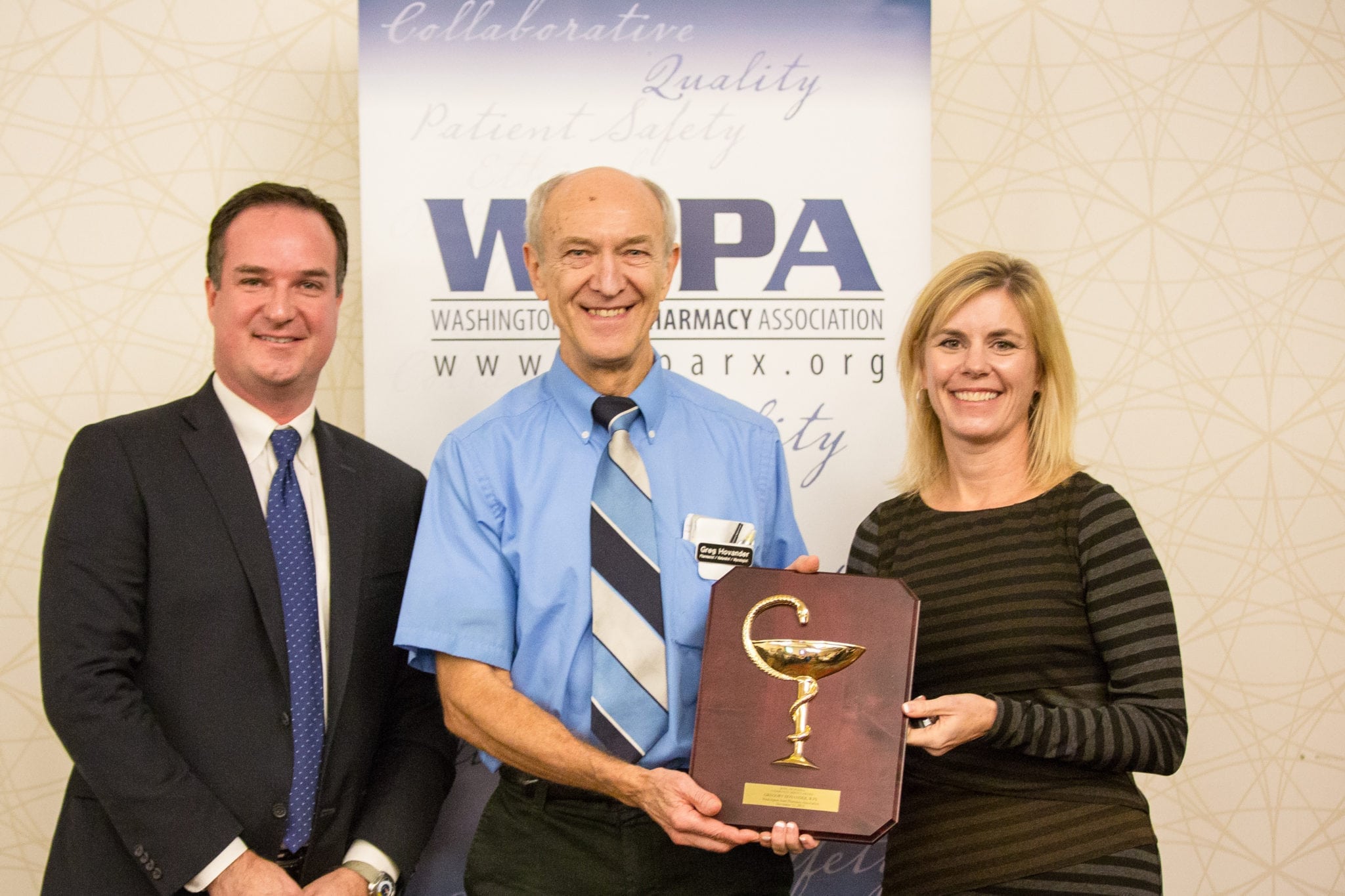
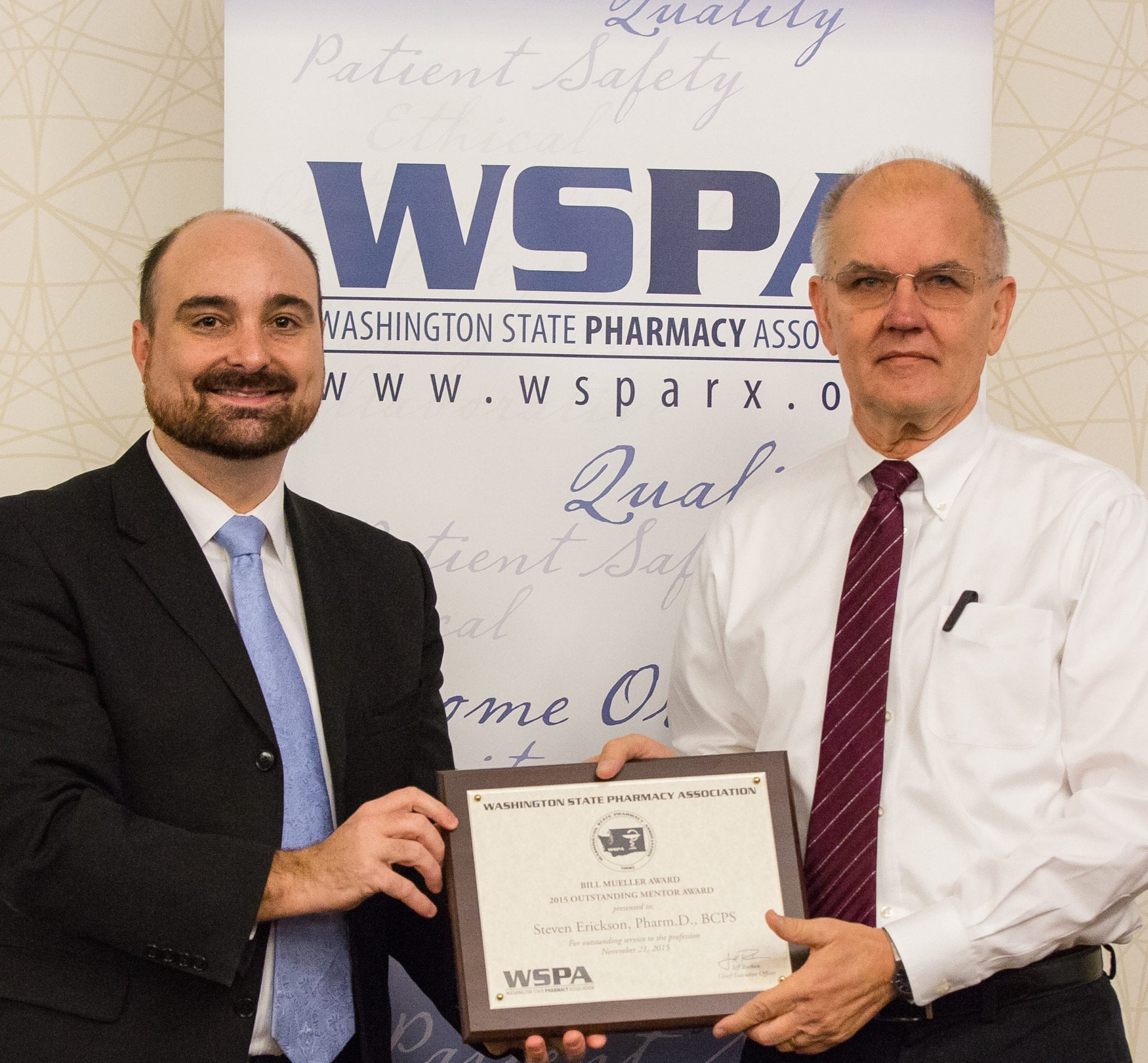
Congratulations to our Plein Certificate, BSPharm, and PharmD alumni and affiliate faculty who were recognized by the Washington State Pharmacy Association!
Holly Henry, Plein Certificate alumna, received the Distinguished Leadership Service Award that pays tribute to a member who has, over his or her career been instrumental in the development and growth of the profession, and who demonstrates a high level of influence and direction with respect to their workplace, the entire health profession, the community, and/or the profession of pharmacy as a whole.
Clinical affiliate faculty member, Ken Kenyon, Valley Medical VP of Pharmacy Services, for being WSPA’s Health System Pharmacist of the Year. This award recognizes outstanding health systems pharmacists and their services to the profession in cooperation with the entire health team as well as to the community.
Ryan Oftebro, ’03, received the Pharmacist of the Year Award that honors a pharmacist who possesses qualities of excellence in routine practice and association activities, is an exemplary role model, and who has contributed in service and skill to the WSPA during the past year.
Bev Schaefer, ’70, received the Innovative Pharmacy Practice Award that recognizes a practicing pharmacist or pharmacy technician using innovative pharmacy practice to improve patient care and outcomes.
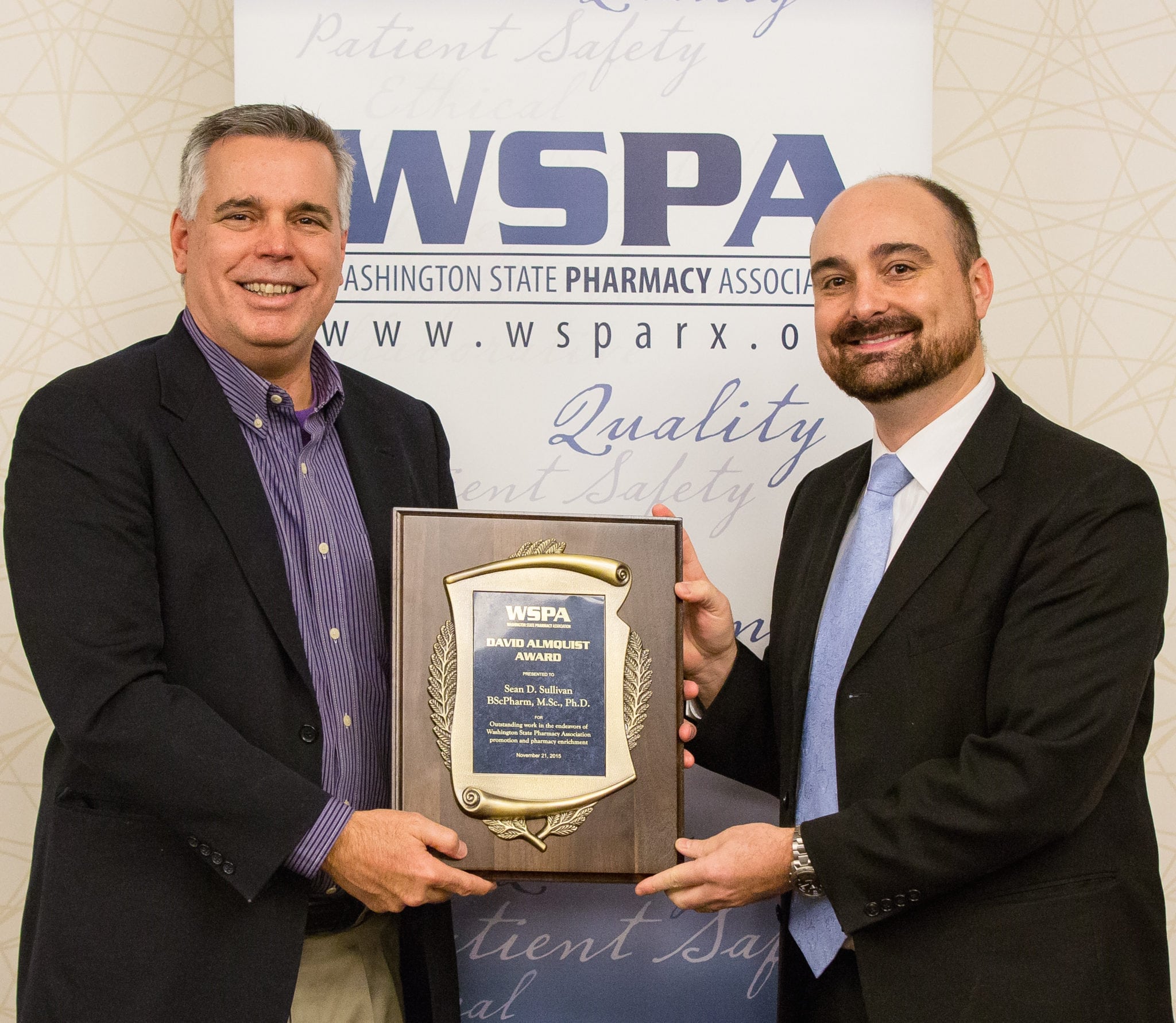
Steve Singer, ’81, received the David Almquist Award, which recognizes a member for outstanding work in the endeavors of WSPA promotion and pharmacy enrichment.
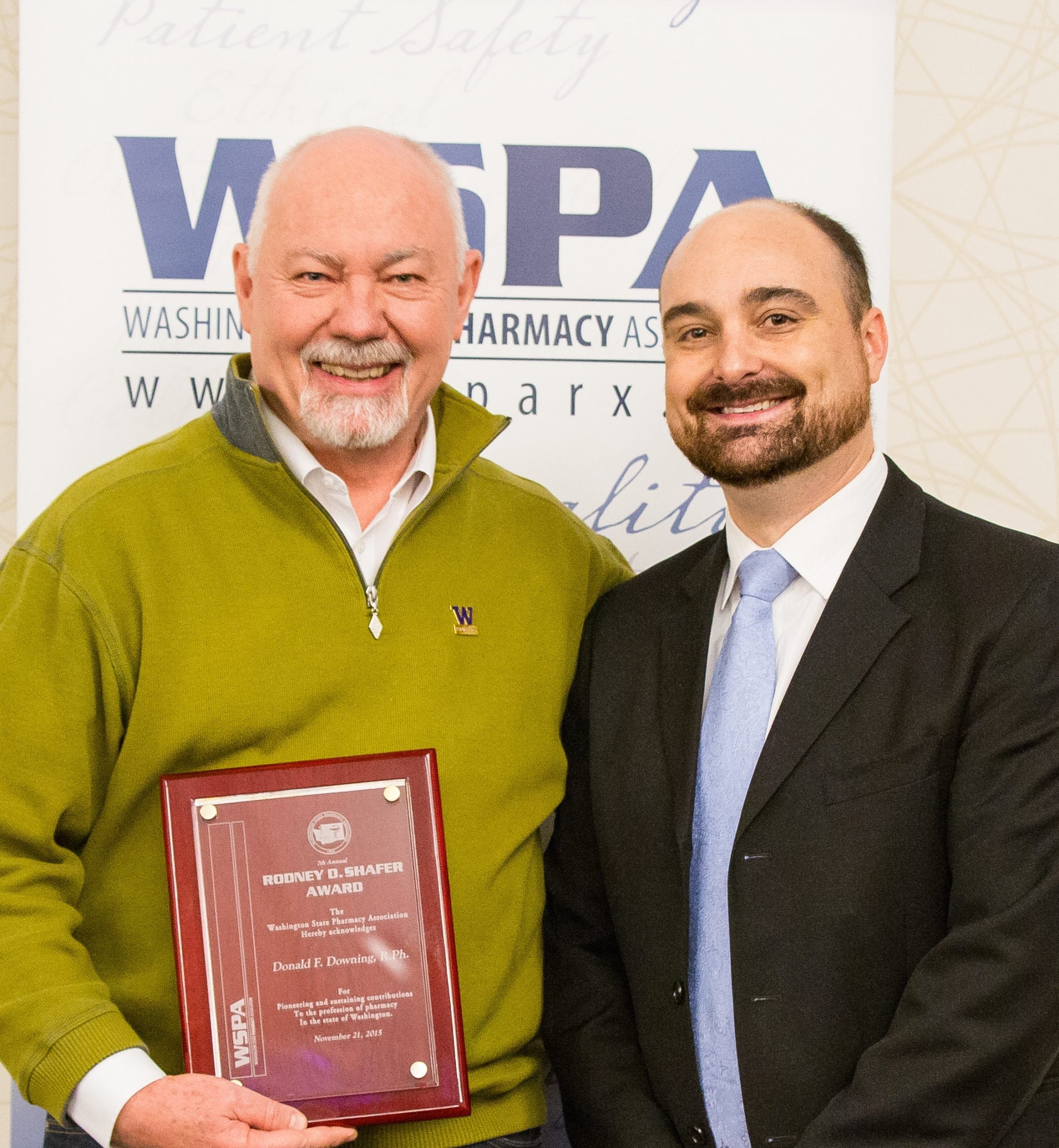
Ann Wittkowsky, ’88, received the Rodney D. Shafer Award that recognizes a pharmacy professional who has made pioneering and sustaining contributions to the profession of pharmacy.
Additionally, WSPA shared the new board members at this weekend’s Annual Awards of Distinction Ceremony. Megan McIntyre, UWSOP clinical affiliate faculty, will serve as the new President Elect and Jennifer Wilson-Norton has been re-elected Pharmacist Director.
Congratulations to the 2019 WSPA Board Members from UW School of Pharmacy: Assistant Professor of Pharmacy Jennifer Bacci, faculty representative, and student board members, Erin Williams, PY3, Senior Liaison, and Kyessa Hudson, PY2, Junior Liaison.
To study with leaders in pharmacy practice,
Are you interested in training with leaders in pharmacy practice like UWSOP’s award winning faculty and alumni?
Click here for more information about the UW PharmD program.
David Nguyen (front, 5th from the left) and the UWSOP team that trained Ghanaian nurses and physician assistants in recognizing signs of hypertension, the #1 killer in Ghana.
David Nguyen, President of the UWSOP Global Brigades team, led a team of students, along with Institute for Innovation in Pharmacy Practice (I2P2) Endowed Clinical Professor Don Downing, to return to Ghana and advance the training program begun last year.
Historically, Global Brigades programs bring health sciences students to under-resourced countries with the goal of providing a three or four day clinic to help people with acute conditions.
In 2015, a team of about twenty students went to Panama to provide care to about 800 people in a matter of days. In three days, with that many patients, there is only so much that can be done: treat minor injuries and ailments, provide ibuprofen and vitamins, check vitals.
Fourth year PharmD student David Nguyen was a part of the Panama team and he saw an opportunity to do more than triage. He wanted to train local health professionals to create a sustainable approach to the trips.
Working with Don Downing and a team of faculty preceptors, David led the Global Brigades team in developing a program to teach the clinic’s nurses and physician assistants to recognize the signs and treat hypertension, the number one killer in Ghana. Last year, the team began this innovative approach in two clinics.
“Leading an entire group to another country and creating a new Brigade taught me more leadership skills than any other experience I’ve had. I couldn’t have done any of this without my team members.”–David Nguyen, 4th year pharmd student
This year, the team expanded into three clinics. PharmD student Job Pan created hypertension stage one and stage two flow charts following the current Ghanaian protocol and included the three most used medications in Ghana for hypertension in order to empower the nurses to identify and take action when therapy is suboptimal or lacking. “The most valuable thing that I learned was how to approach healthcare problems in rural communities of a developing country,” said David. “Like us, they face health care barriers like transportation and economic standing, but it is on a much larger scale in Ghana than here in the U.S.”
Another team on-site brought a polaroid camera. “Everyone was excited and went home to put on their best clothing for their photo. I realized that they’ve never had a picture of themselves before. Sometimes it is the simple things—having a photo of your family—that change lives.”
David hopes the team’s work enables nurses to screen for hypertension for each adult that visits the clinics; that the nurses will be more comfortable to advocate for their patients’ health; and have trained healthcare workers and other nurses to raise awareness about hypertension.
Are you interested in training with the top-rated faculty like Professor Downing and studying pharmacy with preeminent student peers like David and Job?
Click here for more information about the UW PharmD program.
Karan Dawson, Clinical Associate Professor, Department of Pharmacy; Consulting Pharmacist, UW Pharmacy Cares
Following an internship at Valley Medical Center, Karan worked as a clinical pharmacist at the Veterans Affairs (VA) Medical Center in Seattle and completed a residency.
She returned to the UW for an MS in Pharmacy to explore teaching and research, which led to becoming the director of continuing pharmacy education. Given the changing needs of pharmacists to provide patient-centered care, she returned to the UW for a PhD in speech communication. She is one of three consulting pharmacists in an innovative, non-dispensing practice that serves retirement communities.
She has won three awards for innovative teaching, served in a series of elective offices for the American Association of Colleges of Pharmacy, continues to precept pharmacy clerkship students, and is a founding board member for the Center for Chronic Illness.
Her current research interests are in the areas of teaching effectiveness, the provision of non-dispensing pharmacy services, and application of mind/body/spirit/medicine techniques to enhance professional self-care and patient well-being. She gives talks to the general public and professional groups on topics ranging from drug therapy to self-care practices and on mind/body/medicine.
On a personal level, she has a meteorite fragment postulated to have fallen in 1516. Karan and her husband along with another couple own a house in Tuscany that they rent out, which in part explains her favorite cappuccino: “In Rome airport (Leonardo da Vinci / Fiumicino). Turn left immediately upon exit from baggage claim. The cafe is just beyond the pillar named ‘Meeting Point.’”
Are you interested in working with the top-rated faculty and studying geriatric pharmacy with preeminent student peers?
UWSOP’s student team Iris To, Nina Kim, Derek Louie, and Andrew Nguyen (third year PharmD students)
UWSOP’s student team Iris To, Nina Kim, Derek Louie, and Andrew Nguyen (third year PharmD students) came in second at the national Academy of Managed Care Pharmacy (AMCP) Pharmacy & Therapeutics Competition. Competition is keen with 60 teams participating nationwide. Teams must review drugs for their hypothetical patients and create a dossier that looks at clinical trials, safety, and how the drug fits into therapy. Students research safety and perform an economic analysis for the patient’s benefit. UWSOP has had a finalist team most years over the past 12 years. Congratulations to Iris, Nina, Derek, and Andrew!
In 2016, we celebrated the 30th class of UWSOP Plein Certificate in Geriatric Pharmacy graduates! (Sarah Buterbaugh pictured 5th from the left.) Photo: Alex Levine
UW School of Pharmacy offers a novel approach to student training and patient care in Era Living residential communities. The program is a mutually beneficial one: in addition to their regular pharmacy services, residents receive supplemental medication expertise for which UW pharmacy faculty and students are well-known and student pharmacists have opportunities to enrich their training through supervised patient consultations and more. “As integrated members of the health care team, UW faculty practitioners and our registered nurses, social workers, and care staff are able to share valuable information centered around enhancing the health and well-being of our residents,” said Jacob Almo, Vice President of operations at Era Living.
The program benefits UW Pharmacy students by creating opportunities to work alongside faculty pharmacists. On a regular basis, students enhance their training by giving important presentations to residents on a range of topics including drug safety and how to prevent the flu, reduce insomnia, and manage diabetes, osteoporosis and more.
“I learned to see more than the medication list, but to think about how the patients live their lives and the factors that matter to them the most, including medication cost, feasibility, side effects, and tolerability.” –Sarah Buterbaugh, PharmD, ’16
By being on-site regularly and under faculty supervision, students are available to meet with residents. UW student pharmacist Sarah Buterbaugh helped a resident who had a host of prescriptions, including oral medications, inhalers, and topical products. Working with faculty pharmacist Jennifer Wilson Norton, Sarah helped organize and explain the medications, including what was mandatory, optional, and how best to store them. “The resident to this day, still keeps Sarah’s organization system,” notes Jennifer.
Era Living offers “a unique practice environment and a wonderful experience for students,” said Sarah. “The geriatric population brings both curiosity and concern in the questions they have and each preceptor had time to discuss with me both the therapeutic options as well as to emphasize considering the patient as a whole. I learned just as much from the patients as the information we delivered to them. This rotation emphasized to me that the pharmacy profession is not just about medications but more importantly is about providing patient-centered care.”
Advance your career as a pharmacist at the University of Washington. Learn more about our nationally and globally top-ranked PharmD Program.
A local pharmacist counsels a client on the monitoring of blood sugar and the appropriate use of glucose tablets as part of diabetes self-care.
UW School of Pharmacy faculty highlight the important role of pharmacists as part of the healthcare team
Autumn brings back sweater weather, pumpkin spices—and health check ups for kids. UW School of Pharmacy Clinical Assistant Professor Rachel Firebaugh likes to remind people that, “Fall is also the perfect time for adults to get their health checked too.”
Your local pharmacy is a great place to start.
“Your pharmacist can help with more than just the flu shot—they can check to see if your other vaccinations are up-to-date, such as pneumonia, shingles, and pertussis.,” says Firebaugh
Kaiser Health News recently published a story questioning when and where it’s best to get your annual flu shots. The questions seem to arise from a recommendation from the Centers for Disease Control and Prevention (CDC), noting, “Everyone 6 months and older should get a flu vaccine every year by the end of October, if possible. However, getting vaccinated later is OK.”
Being up to date on your vaccinations improves your health and the health of those around you. A 2010 study by the CDC found that flu vaccines cut flu-related hospitalizations by 50 percent among older adults.
Pharmacies are one of the most convenient places to get vaccinated. Being able to get vaccinations without an appointment and while you are running errands at the grocery store means you are more likely to take care of that key step for your health.
In many medically underserved and rural communities, the local pharmacy is the only health provider in the area, thereby making pharmacists one of the keys in increasing access to care.
The UW School of Pharmacy has a novel student-training partnership with Era Living retirement communities. At a recent presentation, Firebaugh reminded residents that getting the flu shot not only helps themselves, but it can also help protect babies, family members and others we care about and come into contact with regularly. The timing, length and severity of the flu varies from year to year so Firebaugh reminds her audience that “the most important thing is to get immunized.”
Pharmacist-provided vaccines were among the first of many practice innovations begun in Washington state as a result of the advocacy of UW School of Pharmacy faculty.
The School of Pharmacy, Bartell Drugs, and QFC Pharmacy will partner with Washington State Health Care Authority in a unusual demonstration project that aims to foster healthcare collaboration across the care continuum. This effort to increase pharmacy-based immunizations is called Project VACCINATE. It brings together faculty researchers and practitioners who will tap into the diverse expertise at the School of Pharmacy, from patient-care implementation to emergency preparedness.
Advance your career as a pharmacist at the University of Washington. Learn more about our nationally and globally top-ranked PharmD Program.
Providing patient-centered care is a hallmark of best practices in pharmacy.
Three demonstration projects aim to fulfill goals of $800,000 CDC grant to NACDS
The National Association of Chain Drug Stores (NACDS) announced that the University of Washington School of Pharmacy (UWSOP), Bartell Drugs, and QFC Pharmacy will partner with Washington State Health Care Authority in a unique demonstration project that aims to foster healthcare collaboration across the care continuum to increase pharmacy-based immunizations.
The demonstration project is one of three that aim to fulfill the goals of an $800,000 Centers for Disease Control and Prevention (CDC) grant to NACDS. The project will examine innovative healthcare collaborations designed to demonstrate increased rates of pharmacy-based immunizations including influenza, pneumococcal, pertussis and herpes zoster. It also focuses on improving pandemic planning among pharmacies and state health departments and improving access to vaccine resources and education for pharmacists.
Principle Investigator and Associate Dean Peggy Odegard
The demonstration project is one of three that aim to fulfill the goals of an $800,000 Centers for Disease Control and Prevention (CDC) grant to NACDS. The project will examine innovative healthcare collaborations designed to increase immunization rates through pharmacies including influenza, pneumococcal, pertussis and herpes zoster vaccines. The UW-based project is aimed to help identify best practices to improve adult immunizations rates, implement innovative methods for sharing immunization information, align incentives across healthcare partners to promote optimal immunization care, and improve pandemic vaccine preparedness.
Increasingly, pharmacists are recognized as the front line of health care in communities. “Legislators and regulators at the federal and state levels often reference pharmacists’ success in promoting the necessity of vaccines and in increasing access to them,” said NACDS President and CEO Steven C. Anderson, IOM, CAE.
Co-Principle Investigator and Assistant Professor Jennifer Bacci
The state of Washington has lead the way when it comes to pharmacists practicing at the top of their license, thanks to the advocacy of UW pharmacy faculty. Pharmacist-provided vaccines were among the first of many practice innovations begun at the UW. This project brings together faculty researchers and practitioners who will tap into the diverse expertise at the UWSOP, from pandemic health to onsite coaching in patient care best practices, including principal investigator, Associate Dean Peggy Odegard, co-principal investigator, Assistant Professor Jenny Bacci, along with investigators Associate Dean Andy Stergachis, Research Assistant Professor Ryan Hansen, and Research Assistant Professor Aastha Bansal and Washington State Pharmacy Association’s Director of Pharmacy Practice Development, Jenny Arnold as a key consultant
“We are excited about this demonstration project that brings together top community pharmacy providers and faculty from the School of Pharmacy with expertise in implementation science and population health. This project will build on our legacy of improving community access to pharmacist-administered vaccinations and evaluating the impact of these important services on population health outcomes,” said Sean D. Sullivan, professor and dean of UWSOP.
“Bartell Drugs has been a regional leader in promoting and providing convenient, affordable access to immunizations and this project will further our ability to reach more audiences in need of immunization,” says Billy Chow, Bartell Drugs’ Vice President of Pharmacy Operations and Clinical Services.
“We are thrilled to continue to improve the shopping experience and add convenience for our patients through this NACDS project,” said Chuck Paulsen, pharmacy merchandiser for QFC Stores. “The increased awareness and transparency of community based will further our mission of improving the health of our patients and local communities we serve.”
NACDS showed its strong commitment to this $800,000 grant by contributing an additional $300,000 to execute the demonstration projects. The project will take place over a 13-month period beginning in August 2016. More information about NACDS’ engagement on related issues is available through the “vaccinations” and “preparedness” tags on NACDS.org.
# # #
NACDS represents traditional drug stores and supermarkets and mass merchants with pharmacies. Chains operate more than 40,000 pharmacies, and NACDS’ chain member companies include regional chains, with a minimum of four stores, and national companies. Chains employ more than 3.8 million individuals, including 175,000 pharmacists. They fill over 2.7 billion prescriptions yearly, and help patients use medicines correctly and safely, while offering innovative services that improve patient health and healthcare affordability. NACDS members also include more than 800 supplier partners and nearly 40 international members representing 13 countries. For more information, visit www.NACDS.org.
University of Washington School of Pharmacy is a global leader in pharmacy education, research and service, committed to providing a transformative learning experience in a collaborative and diverse environment focused on improving the health and well-being of the communities we serve. Our mission is three-fold: inspiring education: developing exceptional, innovative and diverse pharmacy leaders and scientists; discovering solutions: advancing the science, development, implementation, and outcomes of safe and appropriate treatments; and serving people and communities: promoting the health and well-being of the public, locally and globally. For more information, visit sop.uw.edu.
Bartell Drugs: Family-owned since 1890, Seattle-based Bartell Drugs is proud of its more than 125-year history based here in the Northwest. Four generations of the Bartell family have continuously focused on the future – and how the drugstore chain could better serve its customers. Operating 64 locations in King, Snohomish and Pierce counties, it is the nation’s oldest family-owned drugstore chain. For more information on Bartell Drugs, visit www.bartelldrugs.com.
QFC Stores: Founded in 1954, based out of Bellevue, Washington is a division of the Kroger Company. QFC has 64 stores throughout the Puget Sound, Southwest Washington, and Northwest Oregon. They currently operate pharmacies in 32 of their stores. For more information on QFC, visit https://www.qfc.com
On behalf of the PharmD 2016 class, Cameron Garner, Linda Blake, and Rory Cavaille presented a special gift to Nanci Murphy Photo: Alex Levine Photography
Faculty member Dr. Nanci Murphy will retire from her full time position at UW School of Pharmacy on July 1, 2016. Dean Sean D. Sullivan shared the announcement earlier this spring saying, “Nanci’s personal and supportive style have meant a great deal to students and her influence and effectiveness have been honored nationally with several awards…Her career spans over 25 years with the School.”
Faculty emerita Joy Plein honors Nanci Murphy at the Geriatric Certificate ceremony in June 2016 Photo: Alex Levine Photography
At the Geriatric Certificate Commencement Ceremony in June, Nanci was recognized for her years of dedication to the field and to the students of UWSOP. We learned that Nanci had begun her career in pediatric pharmacy, but after spending a little time with Joy Plein, decided to pursue the Plein Geriatric Certificate. At the ceremony, Joy bestowed on Nanci the new title “Director Extraordinaire (DE)” for her years of service to the pharmacy community and UWSOP students.
Later that day, at the UW School of Pharmacy Graduate Recognition Ceremony, students from the class of 2016 presented Nanci with a custom painting, signed by the class, in honor of all her work on their behalf.
In May 2016, Nanci was recognized as the Distinguished Alumni Award winner at this year’s Dean’s Recognition Reception. Here is an excerpt from the citation read for her award: “Nanci has been widely recognized by students and faculty alike as a mentor who encourages, expects, and obtains high commitment and effort from her students. She has directed numerous student research and special projects that have received national awards and recognition, and she has impacted pharmacy practice, pharmacist and interprofessional healthcare education, and patient care both locally and nationally.
PAA President Gary Harris presents the Distinguished Alumni Award to Nanci Murphy in May 2016 Photo: Sarah C.B. Guthrie
One example of this impact is in her founding of ‘Bridges to Health,’ a program focused on improving access to health care, reducing health disparities, raising awareness of important health issues, and participating in health advocacy efforts. The UW Center for Pharmacy Leadership & Professional Excellence, which she also founded and directs, focuses on the development of pharmacy leaders. She has co-authored a number of pharmacy education and leadership development articles. Nationally, among many other commitments, she is currently or has previously been the chair or a member of more than 20 committees or task forces of the American Association of Colleges of Pharmacy, and she has served as chair of the 800-member AACP Leadership Development Special Interest Group.
Students from across the UW Health Sciences shared information and educated visitors at the Health Fair Photo: Sarah C.B. Guthrie
Her UW career began as a community practice preceptor in 1989, later joining UWSOP as Associate Director of Academic and Student Programs in 1990. She was promoted to Assistant Dean and then served as Associate Dean from 2001-2014, until she became Director of Student Leadership Programs supporting student initiatives such as the PharmD student-run interprofessional New Year’s Health Fair. Nanci has initiated many programs and projects to promote student involvement in the profession and has highly engaged in Interprofessional Education (IPE) at the UW and nationally, through her work with the American Association of Colleges of Pharmacy (AACP)—including the recent UWSOP student-led interprofessional Health Fair held in early 2016. She has been recognized with the Gibaldi Excellence in Teaching Award, the APhA-ASP Outstanding Advisor of the Year Award, the Rho Chi and Phi Lambda Sigma Alumni of the Year Award, the Washington State Pharmacy Association Bill Mueller Outstanding Mentor Award. Importantly for the School, she has been the faculty advisor for multiple national award-winning student projects.
We thank Nanci for her years of service and dedication to the professional development of our student pharmacists.
UWSOP Assistant Professor Jen Danielson, PharmD, MBA Photo: Alex Levine Photography
Unique collaboration between UW and UW Bothell brings together the top of executive education value with the top pharmacist training program in the region
Student pharmacists at the University of Washington now have a tremendous opportunity to earn their PharmD and MBA degrees in just five years. The unique partnership between Schools at two different UW campuses allows students to weave MBA courses in with their pharmacy degree coursework, saving time and money.
The UW School of Pharmacy and the UW Bothell School of Business recently announced the new program opportunity, available to first-year students who are already in the PharmD program. “We are so pleased with this partnership between our two schools,” said Sean D. Sullivan, Professor and Dean of the UW School of Pharmacy. “We share a mission to develop leaders in the healthcare profession and together are uniquely positioned to support our students in launching their career as leaders in the field.”
The concurrent degree program goes beyond the business basics. With UW Bothell’s top-ranked educational value, choice of concentration, and the world-renowned faculty at UW School of Pharmacy, this program offers a new approach to health care leadership training. Students choose the Leadership or Technology track for their MBA, making them stand out in the market upon graduation.
Students will benefit in a number of ways, in both the short and long-term. Most immediately, they need only apply for the MBA program, as they are already enrolled in the School of Pharmacy. Given their proven academic credentials as UW PharmD students, UW Bothell School of Business is waiving the GMAT and GRE exam requirement.
Over the long term, they will gain the skills needed to manage community pharmacies, direct pharmacy operations in health systems or agencies, or step into other leadership roles. According to studies from the University of Buffalo and this one from South Carolina School of Pharmacy and The Citadel, PharmD-MBA graduates earn about 25% more, on average, than graduates with a PharmD degree alone.
Dr. Sandeep Krishnamurthy, Dean, School of Business, UW Bothell, says, “The School of Business at UW Bothell looks forward to welcoming PharmD students in our program. These students bring with them strong analytical abilities and a unique perspective into the healthcare sector. PharmD/MBA students are likely to rise to eminent leadership positions in the healthcare sector. We are delighted to be a partner in this effort.”
Current first-year UW PharmD students who have a bachelor’s degree were eligible to apply for this fall’s initial cohort. The MBA classes will kick off with a special leadership skills retreat in mid-September.
The UW School of Pharmacy is a global leader in pharmacy education, research and service, committed to providing a transformative learning experience in a collaborative and diverse environment focused on improving the health and well-being of the communities we serve. Our mission is three-fold: inspiring education: developing exceptional, innovative and diverse pharmacy leaders and scientists; discovering solutions: advancing the science, development, implementation, and outcomes of safe and appropriate treatments; and serving people and communities: promoting the health and well-being of the public, locally and globally. The UW School of Pharmacy is accredited by the Accreditation Council for Pharmacy Education. For more information, visit sop.uw.edu.
The UW Bothell School of Business is a dynamic, passionate and ambitious community of students, scholars, business leaders and staff. We inspire business excellence and enhance the vitality of the community through innovative research and exceptional educational programs with a strong commitment to ethical leadership, critical thinking and communication. The UW Bothell School of Business is independently accredited by The Association to Advance Collegiate Schools of Business (AACSB), representing the highest standard of achievement for business schools worldwide. The school is a signatory to the Principles of Responsible Management (PRME) initiative, a UN Global Compact program. For more information, visit www.uwb.edu/business.
Dental and pharmacy students had opportunities for hands-on learning at the inaugural Interprofessional Health Sciences New Years Health Fair organized by UW PharmD students Photo: Sarah C.B. Guthrie
2016 Highlight Stories: These stories highlight showcase the great work, service and achievements of our preeminent faculty and students in 2016.
In November 2015, student leaders in Phi Lambda Sigma met with Director of Student Leadership Programs, Nanci Murphy, to brainstorm how best to use a $2000 leadership grant awarded to create opportunities for pharmacy student leadership.
By the end of the meeting, the students had an ambitious idea: to create a health fair for the community—an interprofessional one that included pharmacy students as well as groups from across the UW Health Science disciplines—and to do it within just two months.
There was just one small problem: none of them had organized a health fair from scratch before.
The students reached out to faculty, administrators and students across UW’s Health Sciences. “It was daunting, especially when we started talking with people who had organized health fairs before. But people were really generous, sharing their time and expertise,” said Nick Larned, one of the three lead organizers. “In a couple of weeks, we booked a site and connected with students in medicine, dentistry, audiology, and physical therapy and had a plan.”
Students from across the UW Health Sciences shared information and educated visitors at the Health Fair Photo: Sarah C.B. Guthrie
“UWSOP is regularly held up as a national leader for interprofessional education because we’ve been doing it so well for so long.”
–Jennifer Danielson, Assistant Professor and Director of Experiential Education in Introductory Practice
The New Year’s Health Fair took place on Sunday, January 24, 2016, in Magnuson Park, near multiple transitional and lower income housing units. The students saw about 50 patients the morning of the NFL playoffs. They took advantage of the time to learn more about each other and their training. “The great part of this event,” said Assistant Professor Jennifer Danielson, Director of Experiential Education in Introductory Practice for UWSOP, “was that the students learned so much about each other’s disciplines and had the chance to share their skills and knowledge. Pharmacy students showed first year medical students the basics of how to take blood pressure and glucose testing. Dental students examined pharmacy students.” Co-organizer Arianne Duong shared, “I had no idea how much you could learn from a thorough dental, head and neck exam. Dentists are a great first line check for blood pressure problems.”
Students from across the UW Health Sciences greeted visitors to the Interprofessional Health Fair
Interprofessional Education (IPE) has been a key part of UWSOP’s curriculum for over twenty years, ahead of other schools of pharmacy and health sciences. “When I first applied to the UW for pharmacy, I didn’t fully understand the advantages of an IPE curriculum,” said co-organizer Phoebe Stracener. “But through my training, I see the difference it makes to be so close to the other health sciences. It will be less intimidating when I’m on my rotations next year, now that I have learned how differently each of the professions approach health care problems and know what each of us brings to the table to help patients.”
UWSOP student pharmacists train to be part of the patient care medical team in the Bracken Pharmacy Learning Center. From left to right: Tien Nguyen, Lawrence Narayan, PharmD (PGY1 Pharmacy Resident at Swedish), Christopher Kim, Stephanie Heeney and Jason Hitchcock. Photo: Alex Levine Photography
Research shows that medication-related problems are one of the top reasons for hospitalizations and for older adults losing the ability to live independently, either due to competing side effects, falls, over prescribing, or improper adherence. Increasingly, people are living longer with chronic illnesses such as high blood pressure, high cholesterol and diabetes—illnesses that are primarily treated with medications. The Pew Research Center reported that roughly 10,000 Americans turn 65 every day, and that by 2030, eighteen percent of the U.S. population will be over 65 years of age.
Alumna Laura Hart, PharmD, meets with a patient
As drug research advances and medications become more specialized, personalized, and complicated to select, the need for providers with expertise in medication choices, chronic illnesses, and drug interactions grows. An under-utilized resource in managing patient medication therapy and chronic illnesses in older adults is the pharmacist. Joy, ’51, ’56, and Elmer Plein, along with other UW faculty colleagues, pioneered the education and training of geriatric pharmacy care specialists, a specialty that is increasingly in high demand. Clinics, health systems, nursing homes, assisted living facilities, and hospitals in Washington and nationwide are turning to pharmacists for their specialized medication knowledge to improve patient health, particularly for chronic illnesses that can be managed through proper use of medications.
Professor emerita, Joy Plein
In May 2016, the UW School of Pharmacy proudly announced the establishment of the Plein Center for Geriatric Pharmacy Research, Education & Outreach. The Plein Center will expand the School of Pharmacy’s role as a leader in the field of geriatric pharmacy to encompass the breadth of disciplines within the School of Pharmacy and beyond. The Pleins have also established the Plein Endowed Faculty Fellowship for the Director of the Center.
The new research center will promote the discovery and optimal use of medications in older adults through research, education, and outreach. Research will bring together the depth of UWSOP’s practice, outcomes and bench science research in basic biomedical, translational, clinical, and health services studies. Researchers will collaborate on projects that look at optimizing medication use including medication management, adherence, and safety; the role of drugs in prevention and treatment of health conditions affecting older adults (e.g., falls, fracture, cognitive decline, dementia diabetes, neurodegenerative disorders); and methods for enhancing pharmacists’ impact on improvement of care for older adults and underserved populations. The Plein Center will also include training programs in geriatrics for PharmD students and others, building on the existing Plein Certificate Program in Geriatric Pharmacy.
“With the addition of the School of Pharmacy’s Plein Center for Geriatric Pharmacy Research, Education and Outreach, the University of Washington continues to lead the way in geriatric health care,” said Sean D. Sullivan, professor and dean of UW School of Pharmacy. “Our School is co-located with UW Medicine, Nursing, Social Work – each offering geriatric specialty training and highly regarded research centers. With our collaborative, interprofessional approach to training, the School of Pharmacy is positioned to fully participate in a comprehensive approach to healthy aging.”
Joy and Elmer Plein
Joy and Elmer have devoted their lives to the field of pharmacy. Individually, both were trailblazers in the field. Elmer joined the UW School of Pharmacy faculty in 1938. He was responsible for a number of major initiatives, including founding the UW’s clinical pharmacy program in 1968, one of only two such programs in the West. Joy is widely credited for creating the momentum for senior-care pharmacy in Washington state, at a time when few pharmacists were geriatricians and there were even fewer resources to advocate for older patients. In 1973, she and Elmer developed a nursing home pharmacy course, leading to the establishment of the Certificate Program in Geriatric Pharmacy, now named for the Pleins.
A look back at legendary pharmacist, civic and women’s advocate, Shirley G. Bridge
Shirley Bridge in her UW graduation cap and gown
As we near our 125th Anniversary in 2019, we continue to remember our history and the alumni legends in science and pharmacy practice who laid the groundwork for our collective success.
BORN IN 1922 at Swedish Hospital in downtown Seattle, Shirley (Selesnick) Bridge’s life began at the center of the city she loved. Shirley’s early family life was modest. Her father was a tailor and her mother ran the elevator in a department store downtown. They lived in a 4th floor apartment on Capitol Hill, in a building that had no elevator. The trolley down Denny Hill to the grocery store cost five cents each way, so she saved her money and walked up and down the hill instead.
Working for the public good was central to Shirley’s identity as an advocate for women, children, health care, human rights, and projects in the Jewish community. Over the course of her life, she helped develop housing for people living with AIDS, brought improvements to Harborview Medical Center, supported the Northwest School for Hearing-Impaired Children, served as president of the Seattle Women’s Commission, and was a founding member of the Women’s Endowment Foundation of the Jewish Federation of Greater Seattle.
After graduating from high school, she borrowed $200 from an aunt to enroll at the UW to study pharmacy in 1940. “Our mother was the one who pushed us into pharmacy,” she said in the Oral History interview. “She always said to me that you should be able to support yourself and your kids.” Shirley loved chemistry and had a knack for it, studying with a teacher in high school whose class was so rigorous, that, in her first year at the UW, she didn’t have to study at all.
“We used slide rules and we did practical pharmacy,” she recalled. “We did something called ‘pharmacognosy’ which is just like botany.” She worked two jobs and even took a year off to support her studies and those of her sister, Beverly, who was also studying pharmacy. Despite those challenges, Shirley graduated magna cum laude in 1945, and went on to be one of the state’s first female pharmacists, spending her entire career in community pharmacy.
She met her husband, Herb Bridge, at a picnic in 1947 while on a double date. Only Shirley wasn’t on a date with Herb; she was with his friend. Undaunted, Herb pursued Shirley and proposed on their second date. A few weeks later, he presented her with an engagement ring. In his autobiography, he describes their conversation. “Do you like it?” he asked. “Well, yes,” she said. “Fine. We’re engaged.” With that and a promise to support her career as a pharmacist, Herb’s search for a smart, career-oriented woman with a mind of her own was successful. They wed on January 25, 1948.
Herb and Shirley Bridge made their first home at 604 East Union, where the rent was $52.50 a month (Ed. note: that’s not a typo). Shirley worked at Colden Pharmacy downtown and Herb was a reservist in the Navy and worked in his father’s store, Ben Bridge Jewelry. In 1950, Shirley gave birth to their first son, Jon, and months later Herb was sent to the Korean War. A few years later, their second son Daniel was born. Shirley returned to work soon after each birth and her Aunt Gert took care of the children.
The couple continued to grow professionally and became more civically active as their family grew. Herb was nicknamed “Mr. Downtown” for his advocacy in creating a vital city center while Shirley advocated for legislative changes. In 1973, Shirley had gone to her local bank to co-sign a loan for a friend. The bank manager said, “I’m sure Herb won’t mind [if I give you a loan], I’ll give him a call.” Shirley informed the bank manager that she minded a great deal. She advocated for a new law and within a year, Washington state became the first to ban discrimination in credit and insurance based on sex or marital status.
She was a tremendous patient advocate; on the Board at Harborview she saw the devastating impact AIDS had on patients and their families. As the HIV/AIDS epidemic spread, filling many with fear, “Shirley went around to neighborhoods knocking on doors to explain about AIDS and to reassure people,” wrote Herb. In 1992, thanks in part to her advocacy, the Bailey Boushay House opened, to be followed by the Shirley Bridge Bungalows, located in West Seattle, which offered affordable housing to families affected by HIV/AIDS. She had a passion for supporting women—young, female pharmacists in particular—and was a long time supporter of UWSOP. In the Oral History, Shirley said her mentors were junior faculty members, Joy Plein and Karan Dawson. Shirley “was a mentor to me and to all the women faculty of our School at a time when schools of pharmacy had few women faculty,” said Joy. “She earned her successes, which were many, and she was a role model for the rest of us—very competent, confident, compassionate and engaging. She
UWSOP Faculty Gail Anderson, Karan Dawson, Joy Plein with Shirley Bridge
would invite the women faculty to breakfast and we knew that along with the laughter and friendship she would go around the table and ask each of us what we were working on. We all wanted to have something to report and she frequently asked how she could help. We loved and admired her and she loved us and her alma mater.”
“I was very honored to learn that Shirley considered me one of her mentors. I have always known that it was the other way around.”
—Joy Plein, Professor Emeritus, UW School of Pharmacy
In the practical way of a survivor of the Great Depression, Shirley maintained her pharmacist license until the day she passed. In his autobiography, Herb joked, “She wanted something to fall back on in case my [Ben Bridge] jewelry business didn’t work out.”
Shirley was also a cancer survivor, having fought five different primary cancers: colon cancer in 1955, then uterine, bladder, breast, and cecum cancer over her lifetime. “No sooner would she get out of the hospital than she would go on with her fundraising or working as a pharmacist,” said Herb. After a 53-year battle with cancer, Shirley passed away in 2008 with her family at her side. Her legacy in pharmacy and advocacy live on here at the UW and in her family, who have continued to serve the public good.
The family endowed a professorship in Shirley and Herb’s name to fund female faculty and research in geriatric pharmacy. Shirley and Herb Bridge Endowed Professor Peggy Odegard established UW Pharmacy Cares with other UWSOP faculty, creating a faculty practice that provides a new approach to training our PharmD students, along with medication-related consultation and education to community-based partners. “The Bridge Endowment means a lot to this school,” said Peggy. “Without an endowment, innovative advances to pharmacy education and research are difficult to establish.” Shirley’s son, Jon, graduated magna cum laude with honors in economics at UW, followed by UW Law School, nine years active duty in the Navy and 22 in the reserve. Today, Jon shares leadership of Ben Bridge Jewelry as general counsel and co-CEO and with his cousin Ed Bridge, and serves on the Board for the Alliance for Education. With his wife, retired state Supreme Court Justice, Bobbe, herself an alumna and affiliate professor of law at UW, they founded the Center for Children and Youth Justice, a nonprofit for the reform of the juvenile justice and child welfare systems. Shirley’s son Dan became a Rabbi and served as Executive Director of Hillel UW from 1988-2007. After retiring from Hillel, he has consulted to many non-profits across Seattle. He currently serves as the Interim Executive Director of the Seattle Audubon Society and is the Emeritus Executive Director of Hillel UW. His wife Simcha Shtull has a private practice as a psychotherapist.
In Shirley’s obituary, Herb remembered her as being “so instrumental in encouraging me in the right way and letting me know I could do things, whether it was the Navy or business or in the community. She was the material reason for any success I’ve enjoyed.”
We were saddened to learn of the passing of Shirley’s husband and Seattle legend, Herb Bridge, on April 2, 2018. He will be greatly missed.
This story owes a debt of gratitude to Herb Bridge’s autobiography, Building Bridges, and the Oral History of Shirley G. Bridge by the Jewish Women’s Archive.
Interprofessional training for UW School of Medicine and Health Sciences students at ISIS at Harborview Medical Center in Seattle, WA. Medicine, nursing and pharmacy students are participating in hands-on, simulated training in realistic critical care scenarios. Photo: Clare McLean
UW continues its consistent record by ranking in the top ten nationally
of Schools of Pharmacy. One of the smallest Schools at the UW, Pharmacy has been well-known for providing transformative training to pharmacy practitioners and researchers since its founding as one of the first three colleges at the UW.
“I am so pleased that our peers have recognized our continued excellence in pharmacy education,” said Sean D. Sullivan, professor and dean of the School of Pharmacy. “This ranking validates that we are on the right track in our vision to be the global leader in pharmacy education and our mission to develop exceptional, innovative and diverse pharmacy leaders and scientists. I am proud and honored to be a part of this terrific team of faculty, staff, students, and alumni.”
Schools of Pharmacy are ranked by peer institutions every four years by U.S. News and World Report. In 2013, the last time U.S. News & World Report ran the survey, UWSOP ranked No. 10, amongst 125 schools of pharmacy. In this 2017 survey, UWSOP improved to No. 9 amongst a larger field of 135 schools of pharmacy.
“There has been enormous growth in the last 15 years in the number of schools of pharmacy, but very few have the advantage of being co-located with their collaborative sister health sciences schools—who also rank in the top ten nationally,” continued Sullivan. “This showcases the unique and transformative opportunities an interprofessional health sciences education from UW offers.”
Don Downing is presented the Community Service Award at the UW Health Sciences 2015 Martin Luther King, Jr., Recognition Ceremony Photo: Alex Levine Photography
It’s award season–not just for film, also for the UW School of Pharmacy!
Many of our School’s faculty, students, post docs and alumni have been recognized in the past few months for their accomplishments.
Don Downing, Martin Luther King, Jr. Community Service Award
Institute for Innovative Pharmacy Practice (I2P2) Endowed Clinical Professor Don Downing was honored with the 2016 Martin Luther King, Jr. Community Service Award by UW Health Sciences for his commitment to service. The awards are given to students, faculty or staff in each Health Sciences school to honor Dr. King’s commitment to addressing community needs. Don “embodies a service attitude for his students and his peers, encouraging everyone to become involved to improve access to services for those who are less fortunate,” the presenter noted. Don began his career as a pharmacist in tribal health care here in Washington and continues to give time on weekends and evenings to numerous community-based health fairs. In addition, he developed the nation’s first pharmacist-provided flu shots, vaccines, and emergency contraception programs, pharmacist-initiated ongoing hormonal contraception services, and most recently was a key advocate for patients gaining increased access to pharmacists as members of their health care team.
ITHS announce KL2 Scholar award winner from MedChem
Eri Nakatani-Webster, PhD, a research associate in the Department of Medicinal Chemistry, has been named to the 2016 cohort of KL2 Scholars. The Institute of Translational Health Sciences (ITHS) KL2 Multidisciplinary Clinical Research Career Development Program, funded by the NIH, provides the time, funding, and rigorous mentorship necessary to foster the early career development of clinical and translational researchers. The ITHS KL2 program is a multidisciplinary program, up to three years in length, tailored to the research and career development needs of each scholar. Investigators are trained in-depth in a specific area of research, while also gaining knowledge of the full spectrum of clinical research. Nakatani-Webster’s research project is, “Staphylococcus aureus biofilm regulation from a protein folding perspective: exploring amyloid disruption as a novel therapeutic strategy.”
Students and faculty shine at Washington State Pharmacy Association (WSPA) award ceremony
UWSOP was very well represented at this year’s WSPA Award Ceremony. Congratulations to our alumni and faculty winners including:
Gregory Hovander, ’72, RPh – The Bowl of Hygeia Award recognizes an exemplary pharmacist who has made outstanding contributions in the area of community service. In the mid-1970s, Greg started the first Class A pharmacy and implemented clinical pharmacy services for the Farm Workers Family Health Center in Toppenish, Washington. He also served as the chair of the first task force considering prescriptive authority for pharmacists. Greg continues his 43-year career as a pharmacist as the sole proprietor of Sultan Pharmacy & Natural Care, which specializes in natural, dietary, and self-care in conjunction with medical care.
Glenn Adams, ’97, ’98, PharmD – The Pharmacist of the Year Award honors a pharmacist who possesses qualities of excellence in routine practice and association activities, is an exemplary role model and who has contributed to the service and skill of WSPA during the past year. Glenn has been an outspoken advocate for pharmacists and was involved in pharmacy rules and legislation to ensure pharmacists can continue to provide high quality care to patients and the community.
Steven Erikson, ’72, ’94, PharmD – The Bill Mueller Outstanding Mentor Award recognizes a pharmacist or technician who has been an outstanding mentor in the field of pharmacy. Steven worked collaboratively with colleagues to establish a clinically focused community pharmacy in Monroe, Washington, where he has practiced for the past 34 years. He was one of the first pharmacists in the state of Washington to practice under a collaborative practice agreement. His pharmacy has been a community residency site for UWSOP students since the late 1980s and is now the longest continuously operating pharmacy residency program in the country.
Sean D. Sullivan, BScPharm, PhD, Dean and Professor, UWSOP – The David Almquist Award recognizes outstanding work in the endeavors of WSPA and the community in general. In addition to his career as professor and dean at UWSOP, Sean has been a strong advocate for the WSPA and demonstrated his support in efforts such as SB5557 and multiple WSPA events, including its annual scholarship fundraiser.
Don Downing, ’75, RPh, I2P2 Endowed Clinical Professor, UWSOP – The Rodney D. Shafer Award acknowledges a pharmacy professional who has made pioneering and sustaining contributions to the profession. Don has long advocated for pharmacists as covered providers to increase patient access to care. In June 2015, the American Pharmacists Association (APhA) recognized his role in this effort here in Washington state and named him a Pharmacists Provide Care Champion.
Sheila Shapouri, UWSOP PY4 – The Pharmacy Student of the Year recognizes a student member who made consistent, sustained and outstanding contributions toward the growth and development of pharmacy student participation on both a local and state level. Sheila has been very active in UWSOP and WSPA student groups, including serving as the Student Director on the WSPA Board of Directors and the UWSOP Dean’s Student Experience Advisory Committee. Her extensive involvement in community outreach and student organizations has inspired her peers to go beyond the classroom.
Steve Singer, ’81, RPh – The Generation Rx Champions Award recognizes a pharmacist who has demonstrated excellence in community-based prescription drug abuse prevention. Steve is actively involved in the pharmacy community, serving on advisory panels and as a member of the WSPA Board of Directors. Steve is an advocate for pharmacists and their role in Opioid Overdose Rescue and will assist any trained pharmacist in obtaining a CDTA for Opioid Overdose Rescue.
American Society for Health-System Pharmacists (ASHP) Award
ASHP Chapter President Nick Larned won the Outstanding Professional Development Project Award at the ASHP Midyear Clinical Meeting in New Orleans. His poster showcases the chapter’s Multi-Institutional Shadowing Program utilizing 23 pharmacists from 6 organizations in the Seattle area. Fifty-six UW School of Pharmacy students traveled to New Orleans for the ASHP Midyear Clinical Meeting. Events included continuing education talks about advancing clinical practices, networking opportunities, and student development sessions. Our PY4 students Ashley Warcola and Hannah DeMeritt also competed nationally in the clinical skills competition on behalf of the UWSOP.
UWSOP grad students and post doc excel at ISSX
UWSOP graduate students Marc Vrana, Jenny Sager, and Li Wang at ISSX
At the 20th North American ISSX meeting in Orlando, UWSOP graduate students won three of the six awards that ISSX presents to students, reflecting the high caliber of our post docs and graduate students’ research. UWSOP had four predoctoral abstracts selected–Marc Vrana, Jenny Sager, Michael Liao, and Vineet Kumar–one postdoc finalist, Li Wang, and a grad student podium presentation given by Gabriela Patilea-Vrana.
Marc Vrana (Prasad lab) won first place, the Best Presentation Award: Predoctoral Research, for his poster titled “Differential Tissue Expression of ADME Proteins in Humans.” Jenny Sager (Isoherranen lab) won second place in the predoctoral category for her poster titled, “New Metabolic Pathways of Bupropion in vivo Reveal an Important Role of CYP2C19 and 11B-HSD in Bupropion Clearance; CYP2B6 Contribution to Bupropion Clearance is Minor.”
In addition, two of our grad students were finalists for best poster: Michael Liao (Mao lab), “The differential roles of P-glycoprotein (mdr1) in limiting brain and fetal exposure to norbuprenorphine in pregnant mice” and Vineet Kumar (Unadkat lab), “Quantification of transporter expression in the plasma membrane vs. intracellular compartments using biotinylation and LC-MS/MS based proteomics.”
Li Wang (Unadkat lab) won was selected as a postdoctoral finalist and awarded third place in the Best Presentation category “Quantification of transporter expression in liver tissue from subjects with alcoholic or hepatitis C cirrhosis.”
Pharmaceutics grad student Gabriela Patilea-Vrana (Unadkat lab) was selected to give a podium presentation titled: “Importance of Hepatic Transporters in Understanding and Predicting Hepatobiliary Clearance And Hepatic Concentrations of Drugs: Introducing the Novel Concept of FTNET”
Advance your career in research or pharmacy at the University of Washington!
New Year’s Health Fair will be held at the Magnuson Community Center: The Brig on Sunday, January 24 from 9:30AM – 1:30 PM
FREE health services Sunday, January 24, 9:30AM – 1:30PM at Magnuson Community Center: The Brig
Student health professionals & mentors from UW Schools of Pharmacy, Medicine, & Dentistry, Physical Therapy Program, and Speech & Hearing Sciences have teamed up to offer a range of health services to the Seattle community. The event is open to the public and no insurance is required.
Faculty pharmacists, physicians, and dentists will be on-site mentoring students. Services will include:
HEALTH SERVICES
Blood pressure reading
Blood glucose/cholesterol screening
Osteoporosis and BMI screening
Falls prevention
Fluoride application
Dental screening
Head and neck exams
HEALTH EDUCATION
Medication safety
Over-the-counter and prescription medications education
Hearing education
Hand washing
Health insurance resources
Magnuson Community Center: The Brig (Near the Dog Park)
The UW School of Pharmacy is pleased to announce the appointment of H. Steve White, RPh, Ph.D. as the new chair of the School’s Department of Pharmacy, effective January 18, 2016.
White earned his baccalaureate degree in Pharmacy and a M.S. in Pharmacology at Idaho State University and began his career as a practicing pharmacist in the small town of Salmon, Idaho, until his mentor invited him to a career-changing pharmacology conference. From there, he earned his Ph.D. in Pharmacology at the University of Utah where he rose through the academic ranks after joining the College of Pharmacy faculty in 1986.
“It gives me great pleasure to welcome Steve White to the University of Washington School of Pharmacy,” said UWSOP Dean Sean D. Sullivan. “A nationally-known researcher, responsible for significant advancement in the treatment and prevention of epilepsy, Dr. White is a compassionate leader and a great colleague with a passion for collaboration, science, patient care and student mentoring. I look forward to working with him as we continue to grow our School’s mission as a global leader in pharmacy education, research and service.”
A leader in translational research in anticonvulsant drug therapies, White is the principal investigator and scientific director of the NIH-sponsored Anticonvulsant Drug Development (ADD) Program that was established in 1975 to identify novel anticonvulsant drugs using established animal seizure and epilepsy models. Over the years, the efforts of this program have contributed to the successful development of nine new antiepileptic drugs for the treatment of refractory partial epilepsy including felbamate, rufinamide, topiramate, retigabine and lacosamide.
White’s research is focused on understanding the factors that contribute to the initiation, propagation, and amelioration of seizure activity. He has collaborated with faculty from UW School of Pharmacy’s Department of Pharmaceutics, including Associate Professor Nina Isoherranen and Professor Emeritus Rene Levy.
His laboratory, which will relocate to the UW as a partnership between the School of Pharmacy and UW Medicine, features a broad-based research program aimed at gaining a further understanding of the factors that contribute to the expression and prevention of seizure activity. The results obtained from these investigations are likely to lead to the design and development of more efficacious and less toxic therapies for the prevention and treatment of epilepsy.
“The University of Washington School of Pharmacy has provided significant leadership to the profession of pharmacy and played a critical role in the education of the next generation pharmacists, educators and researchers,” observed White. “In support of this mission, I look forward to working closely with the faculty and other invested stakeholders in the execution of the School’s Strategic Plan. The vision set forth by this thoughtful five-year plan will benefit students, patients and the pharmacy community for decades to come.”
In 2014, he was named the 2014 recipient of the Epilepsy Foundation’s Lifetime Accelerator Award, in recognition of his commitment and pioneering contributions to the field of epilepsy and seizures. In 2011, White received an Honorary Doctor of Science from The University of Copenhagen Faculty of Pharmaceutical Sciences, Copenhagen, Denmark.
White has been the recipient of significant research funding from the National Institute of Neurological Disorders and Stroke (NINDS), National Institutes of Health (NIH), and he and his collaborators have published over 170 original papers pertaining to the mechanism of action and the pharmacology of antiepileptic drugs. In addition to his academic service, he has served as Research Director of CURE (Citizen’s United for Research in Epilepsy), the largest non-governmental provider of epilepsy research funding, since November 2011 where he has assisted in the development of strategic programs that advance transformative epilepsy research that may someday lead to a cure or disease modifying therapy for the patient at risk for developing epilepsy. He has been a co-organizer of two NIH-sponsored workshops on models of refractory epilepsy and epileptogenesis and currently serves on the organizing committee of the biannual Eilat Conferences on Antiepileptic Drug Development. Additionally, White has been actively engaged as a mentor for the next generation of neuroscientists and epilepsy educators and is frequently invited to speak at national and international congresses.
* * *
The UW School of Pharmacy is comprised of three departments: Medicinal Chemistry, Pharmaceutics, and Pharmacy, offering Ph.D., M.S., and PharmD degrees, post docs and certificate programs. The Department of Pharmacy leads in pharmacy education, research, professional and outreach initiatives, including the Pharmaceutical Outcomes Research & Policy Program (PORPP), which conducts research in pharmaceutical economics, drug safe and pharmaceutical policy. The department supports general and specialized pharmacy residencies, and research fellowships in select areas of pharmacotherapeutics. The department educates 60 students in Ph.D. and M.S. programs, 177 in certificate programs, has 8 post docs, and, with MedChem and Pharmaceutics, contributes to the training and education of 386 PharmD students in the 4-year professional program.
The UW School of Pharmacy is a global leader in pharmacy education, research and service, committed to providing a transformative learning experience in a collaborative and diverse environment focused on improving the health and well-being of the communities we serve. Our mission is three-fold: inspiring education: developing exceptional, innovative and diverse pharmacy leaders and scientists; discovering solutions: advancing the science, development, implementation, and outcomes of safe and appropriate treatments; and serving people and communities: promoting the health and well-being of the public, locally and globally.
UWSOP Associate Dean Peggy Odegard (pic far right) with the Golden Eddy Award winning team of diabetes educators Photo: Alex Levine
Train the trainer program empowering clinic teams sees significant improvements in outcomes
The UW School of Pharmacy is proud to celebrate Associate Dean Peggy Odegard, PharmD, CDE’s, recognition with the Golden Eddy Award as part of a Diabetes Education team of outstanding patient educators awarded in Fall 2015. UW Medicine Patient and Family Education Services’ Golden Eddy awards are presented annually to Outstanding Patient and Family Educators. The award recognizes a truly unique patient education collaboration in the UW Health Care System –using specialized expertise and cross-training to increase access to patient-centered, specialized care and education in local communities.
UW Neighborhood Clinics and the UW Medicine Endocrine and Diabetes Care Center (DCC) have provided diabetes education to patients in select primary care clinics. A novel “train the trainer” program was developed by UW Medicine DCC colleagues Alison Evert, MS, RD, CDE and Associate Dean Peggy Odegard, PharmD, CDE along with Maureen Chomko, RD, CDE, primary care dietitian, to empower clinic staff to act in the role of patient educators. The award also honors the outstanding effect this program has demonstrated in improving participant diabetes health. The clinic-based staff teams who provide this impactful diabetes education to patients comprises an interprofessional group including registered dietitians, registered nurses, and social workers with Evert, Odegard and Chomko providing ongoing mentoring to staff to promote continued knowledge and skill development.
During the pilot, the process and impact of the classes offered in the clinics was studied with an eye to testing the ability to translate the DCC diabetes education program, taught by certified diabetes educators, into community-based learning for patients. The pilot had three primary goals: increase access to diabetes management education, and reduction in participant weight and A1c levels (a key measurement of blood sugar).
The results across all measurements are proof positive of the program’s benefits. The program has substantially enhanced access to diabetes education and has done so locally for patients in their own communities. This is evidenced by patient enrollments in these educational classes regularly filled at the primary care clinics and participation increased as compared to usual enrollments in similar classes at the Seattle-based academic medical center. Diabetes health is also significantly improved in two key ways for program participants with reduction in A1c levels by 1.1% over three months and loss in weight, on average, of slightly over one pound per month over three months. Notably, this significant progress made at three months was sustained at six months for participants.
As part of this effort, the UW Neighborhood Clinic program sites also met the requirements to receive accreditation by the American Diabetes Association (ADA), which permits the classes to be covered by Medicare and Medicaid, further increasing patient participation. Results of the project were presented at the ADA meeting in June, and the team is finalizing a manuscript for submission this Fall in primary care.
“This project shows the benefits of integrating educational, clinical, and research expertise to help develop impactful practice-based interventions,” underscored Odegard. “We had a terrific team to work with and look forward to continuing to increase the number of trainers educated and further improving the delivery of diabetes care throughout UW Medicine primary care.”
Advance your career as a pharmacist at the University of Washington. Learn more about our nationally and globally top-ranked PharmD Program.
As a community, we were deeply saddened to learn that Geraldine “Geri” (Walcott) Brady, the widow of Professor and former Associate Dean, Lynn Brady, ’60, passed away in March.
The legacy she and Lynn left through planned giving will live on at the UW and School of Pharmacy for decades to come. The Lynn R. Brady Endowed Scholarship Fund has supported students with high academic achievement with two full quarters of scholarship.
Geri’s substantial planned gift to the school ensures student academic excellence will be supported for many years to come and the fund will be renamed in her honor: The Lynn R. and Geraldine W. Brady Endowed Scholarship Fund. She also created the Lynn R. and Geraldine W. Brady Endowed Professorship.
Originally from Nebraska, Lynn and Geri moved to Seattle in the 1950s so that he could continue his research with Dr. Varno Tyler, a specialist in pharmacognosy, the study of medicinal drugs derived from plants and other sources.
Lynn’s time as a faculty member at UWSOP marked the transition from drugs made from plants to the production of synthetic drugs. Like his mentor, he became a national expert on medicinal plants, a passion that naturally led him to advocate for the UW Medicinal Herb Garden, the largest such garden in the Western Hemisphere.
UW Medicinal Garden Sculpted Monkeys
Watching over the Medicinal Herb Garden was the job of two wooden monkeys, said to be copies of statues from Europe’s first medicinal garden in Padula, Italy. Over the years the monkeys were victims of pranks and vandalized. To protect them from additional peril, they were replaced by concrete versions and the original monkeys were tucked away at Geri Brady’s house for years, until they were moved to a shed near the Botany Greenhouse. Recently rediscovered, the monkey pair will return to the School of Pharmacy for a restorative break before their next home is secured.
Student Pharmacist in UWSOP’s Bracken Pharmacy Learning Lab Photo: Alex Levine Photography
Celebrate American Pharmacists Month and share your #HUSKYPHARMACIST pride this October!
Whether you are an alum, student, faculty member, preceptor, graduate, friend, parent, patient or supporter, we want to see your #HUSKYPHARMACIST pride!
Pharmacy Practice Changes in Washington
2015 was a big year for Pharmacists in Washington state. Under new legislation, patients will have increased access to the kind of specialized care and knowledge pharmacists can provide. We would love to see your pictures and hear your stories about #HUSKYPHARMACIST work in a variety of practice settings!
Alumna Elyse Tung mentors a UWSOP student pharmacist Photo: Alex Levine Photography
Bain Chiba with his father Yasukuchi, ’17, at Bain’s graduation from UW School of Pharmacy in 1937. Photo: Seattle PI 6/15/1937
Second year PharmD student Beau Chiba comes from a long line of UW School of Pharmacy pharmacists. When he graduates in 2018, it will be 101 years since his great-grandfather, Yasukuchi Chiba graduated. Beau is the sixth member of his family to attend UWSOP and his family’s story echoes the social, political, and economic ups and downs of the last century.
Beau’s great-great-grandfather on his father’s side of the family, Shirosabura Chiba, was a pharmacist who emigrated to the U.S. from Japan with his young family, including his son, Yasukuchi, Beau’s great-grandfather. When Yasukuchi graduated from UW School of Pharmacy in 1917, he went to work with his father. They owned several pharmacies in the Seattle-Tacoma area, including Main Drug in Nihonmachi (Japantown) in Seattle’s International District. Twenty years later in 1937, Yasukuchi’s son, Bain, graduated with his degree in pharmacy, likely making them the first father-son graduates from the UW School of Pharmacy. Bain began working as a pharmacist at the family’s Main Drug after graduation. Bain’s brother-in-law, Noboru “Nibs” Morio, began his studies at UW School of Pharmacy just before WWII. Mary Shimoda, who would later marry Nibs, was also a student at UWSOP.
In 1941, all four members of the family were practicing or learning pharmacy, helping their neighbors and advancing health care. But in February 1942, just three months after Pearl Harbor, all of that ended when President Roosevelt signed an executive order to relocate 120,000 Japanese Americans to isolated relocation centers.
And sadly the Chibas, Morios, and Shimodas were no exception.
Beau’s great-grandfather, grandfather, grandmother, and great-aunt were forced to leave their homes in south Seattle and Beacon Hill for the harsh conditions of the internment camps. Automobiles were impounded. Homes and property sold. Families even donated their Japanese trees and shrubs to the UW Botanic Garden for safekeeping. Businesses were lost…including Main Pharmacy.
The Chibas were initially sent to the short-term detention center at the Puyallup fairgrounds. The Army called it Camp Harmony, and it was anything but that. The family spent months living in close quarters in shacks with limited rations and poor facilities.
The UW President and faculty advocated for their students. President Seig wrote a letter to 25 college presidents begging them to take UW’s Nikkei students. The Army initially permitted a few students to transfer. Most schools didn’t want the students and some rescinded offers as the story broke in the press. In December 1941, there were 450 Nikkei students enrolled at the UW, including Nibs and Mary. By May 1942, there were none. One dean went to Puyallup to hold an informal graduation ceremony for the Nikkei students who were just one month from commencement. Weeks later, the group was moved to Minidoka internment camp in Idaho. Among them was Mary Shimoda, Nibs’ future wife.She was a remarkable student and was made a member of Rho Chi, an honor she received in absentia in 1942. She was in Puyallup, on her way to Idaho where she spent the war with her mother and sister.
Nationwide, there was a shortage of labor. In some cases, people were able to get out of the internment camps—some worked farms in the Midwest and many health professionals were able to go to other parts of the country. As a knowledgeable pharmacist, Bain transferred out of the camp. He worked at the University of Michigan Hospital as a pharmacist until he could afford to move his family to safety in Michigan, where they lived out the war.
Nibs took a different path. He enlisted to serve with the 442nd Infantry Regiment. With the motto, “Go for Broke,” the Japanese-American regiment was the most decorated in U.S. military history for its size and length of service. Nibs was in the 2nd Division, G Company, and was sent to Italy and then France to fight. He earned two Purple Hearts and a Bronze Star. In 1946, Nibs married his college sweetheart, Mary Shimoda. While Mary was able to leave the camp by transferring to Idaho State University to complete her education, Nibs eventually retired from the Army where he worked as a hospital pharmacist (without a degree!). He returned to the UWSOP to finish the education he had started 20 years prior. Upon graduation, he moved with Mary to Bellevue where they continued practicing pharmacy. She worked at Group Health and he at Overlake Hospital.
Beau Chiba, ’18, photographed across from his grandfather, Bain Chiba’s, ’37, pharmacy location in Japantown, Seattle Photo: Alex Levine Photography/Uknown
Bain and his family returned home to Seattle a few years after the war ended. He was able to resume ownership of Main Drugs, but times were still hard post-War for Japanese-Americans in the Northwest. Many didn’t return. For the Chibas, the International District community came together and provided a safe harbor. In 1966, twenty years after they married, Nibs’ and Mary’s son—Beau’s cousin—Dave Morio enrolled at the UW School of Pharmacy, graduating in 1971. In 1980, he apprenticed with Bob and Maxine Sowders at Fife Pharmacy and Gifts, with the expectation that he would buy the pharmacy. He did just that in 1985. He worked closely with the Puyallup Tribal Health Authority serving PTHA contract-care patients. Dave also served on the UWSOP Pharmacy Alumni Association Board (PAA) as President. As a Clinical Assistant Professor, he helped precept many students. Being a staunch supporter of pharmacy and his community, Dave served as President of WSPA as well as the Fife-Milton Rotary Club.
In 2008, the UW Board of Regents voted to issue 450 honorary degrees to the students who were pulled from the classroom and sent to camps and war. Among the 2008 honorary graduates were Nibs and Mary Morio. Mary finally gained her full-fledged status as a Husky.
The Chiba-Morio family history reflects the pharmacy profession’s changes over the last century. Main Drugs closed in 1978 and now there are condos in its place. As physicians left the area and drug reimbursements continued to dwindle, Dave closed Fife Pharmacy in 2010 after 25 years. He now works for Safeway Pharmacy.
2015 marked a new era in pharmacy practice with the change in Washington state legislation. In fall of 2014, Beau Chiba picked up the family mantle by enrolling at UWSOP. “I never got to meet my grandfather, but I’ve been told he was a character, and that I’m just like him. I chose UW School of Pharmacy to stay connected to my family history. It feels like home.”
Dean Sean D. Sullivan presents class speaker Nancy Denini with her PharmD degree Photo: Alex Levine Photography
Friday was a day of recognition and celebration! Over 100 graduate and PharmD students received their degrees and began a new phase in their professional careers.
Associate Dean Peggy Odegard presents Adrian Hughes with the Dean’s Club Humanitarian Award Photo: Alex Levine Photography
Associate Dean Peggy Odegard welcomed the graduates telling them, “We are so proud of each of you. Completing a post-graduate degree at the University of Washington is not for the faint of heart. As faculty, we sought to challenge you. And you rose to the challenge, often exceeding our expectations. Know that when you exit this room, you leave with our confidence in your abilities in the profession and science of pharmacy.”
Professor and Dean Sean D. Sullivan Photo: Alex Levine Photography
“I hope you will become leaders in your chosen field,” Professor and Dean Sean D. Sullivan told the graduates in his address. “Everyone sitting on this stage is here to help you – have their numbers on speed dial. Know that you will always be a part of our Husky family and that I am proud of you.”
UW School of Pharmacy Faculty Photo: Alex Levine Photography
More images from the 2015 Graduate Recognition Ceremony
Alumnus Ryan Oftebro presents the Alumni Professional Excellence Award to Nancy Denini Photo: Alex Levine Photography
2015 Plein Geriatric Pharmacy Certificate Recognition Photo: Alex Levine Photography
Plein Geriatric Pharmacy Faculty Photo: Alex Levine Photography
Faculty Members Don Downing, Shabir Somani, John Horn, and Andy Stergachis Photo: Alex Levine Photography
Faculty Member Joy Plein Photo: Alex Levine Photography
Photo: Alex Levine PhotographyFaculty Members Jennifer Danielson and Teresa O’Sullivan Photo: Alex Levine Photography
PORPP Students Ready for Graduation! Photo: Alex Levine
There’s a public safety concern that we want health providers and the general public to be aware of,” said Ryan Hansen, shown holding the prescription drugs involved in the study.
Three prescription sleeping aids are associated with an increase in motor vehicle crashes, according to a study by the University of Washington School of Pharmacy and the Group Health Research Institute. The research was published today in the American Journal of Public Health.
The research, led by Ryan Hansen, ’03, ’12, UW assistant professor of pharmacy, found that the risk of motor vehicle crashes was nearly double among new users of the medications temazepam (Restoril), zolpidem (Ambien, Ambien CR) and trazodone (Desyrel).
Dissertations don’t typically make the evening news. However, Ryan Hansen’s study on the impact of sleeping aids on motor vehicle accidents was not only published in the American Journal of Public Health in June 2015, it was featured in an NBC Nightly News broadcast.
The study grew out of a conversation with a family friend when Hansen was seeking a dissertation topic some years ago. The friend said that he had taken a sleep aid the night before, woke up in the kitchen, and noticed a bite was taken from a piece of raw pork in the fridge.
“As a pharmacist and a researcher, that had me wondering about the affect these sleep aids have and how we might measure their impact.”–Ryan Hansen, Assistant Professor, The CHOICE Institute at UWSOP
Ryan identified a way to link motor vehicle crash records with prescription drug data and identified a trend among people who had new sleep-aid prescriptions for these three drugs. Three prescription sleeping aids are associated with an increase in motor vehicle crashes, according to his research in collaboration the Group Health Research Institute. They found the risk of motor vehicle crashes was nearly double among new users of the medications temazepam (Restoril), zolpidem (Ambien, Ambien CR) and trazodone (Desyrel).
Study participants met the following criteria: had a drug benefit through Group Health Cooperative; were between 21 and 79 years old; were Washington state residents; and had Washington state driving licenses. The population’s medical encounters and prescription records were combined with Washington state driver’s license records and motor vehicle crash records.
For new users of all three prescriptions, exposure nearly doubled the risk of vehicle crashes. For new users, the increased risk could last for up to one year of continuous prescriptionfilling. Among the three drugs analyzed, temazepam appeared to offer the least risk for motor vehicle crashes, but may have other associated risks for some patients.
“Depending on an individual’s need to drive regularly, combined with a medical indication for sedative use, the choice of a particular sedative may affect the risk of crashing,” the scientists wrote. “Prescribers, pharmacists and patients should discuss this potential risk and consider the implications of this analysis when selecting a sedative hypnotic medication.”
“There are many approaches to the management of insomnia, including lifestyle changes such as cutting caffeine intake and exercising, which may alleviate the insomnia without medications,” Hansen said. “There’s a public safety concern that we want health providers and the general public to be aware of.”
The team emphasized the need for additional research to evaluate the risks and associations between overall medication use and traffic crashes. Noted Hansen: “People with questions or concerns about a new sleep aid prescription should talk with their physician, pharmacist, or health provider to understand the risks.”
UW School of Pharmacy Faculty and Students at the Governor’s Signing of SB 5557 on May 11, 2015
An Historic Day in Washington
Washington will be the first state in the country to require that pharmacists are included in health insurance provider networks under new legislation (SB 5557) signed by Governor Inslee on Monday, May 11, 2015. This law will increase patient access to medical care from pharmacists practicing within their scope of practice, just like nurse practitioners and physician assistants. This care means that patients will have access to covered benefits provided by pharmacists. Good news, especially for people in rural or underserved locations and those dealing with a chronic illness. Full story from UW’s Health Science NewsBeat: Law gives state’s pharmacists compensated-provider status
Institute for Innovative Pharmacy Practice (I2P2) Impact
I2P2 Endowed Clinical Prof. Don Downing
UW School of Pharmacy’s I2P2 Endowed Clinical Professor Don Downing has advocated for this change for over 15 years. “Ideally, 20 years from now the pharmacist will be a fully integrated member of your healthcare team,” Downing said. “Your pharmacist would refer you back to your physician regularly as appropriate, freeing physicians to do their best work, including acute care and diagnostics. As a patient, you will benefit from the full experience and specialized knowledge of your complete health team.” The I2P2 endowment was established by UW alumni who are passionate about innovative pharmacy practices.
Innovation in Pharmacy: A Washington Tradition
UW Pharmacy faculty have established other practice standards that have won widespread acceptance, including collaborative agreements for pharmacists prescribing under limited authority, providing Plan B emergency contraception (nine states), and pharmacist-provided vaccinations (all 50 states). Downing, working with UW Pharmacy faculty and students, have lead these innovations in pharmacy practice. In 2014, he won the Felicia Stewart Award for Lifetime Achievement for his career-long commitment to increasing patient access to emergency contraception.
SB 5557 Resources
We have a host of resources to help you understand what this milestone legislation means. Bookmark this page—we will continue to add to this list as items emerge!
Washington State Pharmacy Association, stay up to date on the latest news about SB 5557 (note: some pages require membership/registration to access)
Marcie Sillman of KUOW’s The Record interviewed UW School of Pharmacy’s I2P2 Endowed Clinical Professor Don Downing about what SB 5557 means for the average person
UW360 profiled Don Downing not too long ago and he talked about what it would mean for pharmacists to have provider status in health insurance networks
PharmD students Arianne Duong and Stephanie Heeney
Earlier this year, PharmD students, Arianne Duong and Stephanie Heeney, collaborated with other health sciences students and created a campaign to raise awareness about the importance of medication adherences.
Their campaign, which included radio spots (listen), UW Health Science bus ads, individual outreach, video, and social media, was named a Finalist in the National Award category!
The Script Your Future campaign is a competition designed to engage health profession students and faculty across the nation by encouraging teams to develop creative ideas, events, and initiatives to raise public awareness about the importance of medication adherence.
The campaign included more than 135 public and private stakeholder organizations, including Challenge sponsors—the American Association of Colleges of Pharmacy (AACP), the National Association of Chain Drug Stores (NACDS) Foundation, the American Medical Association (AMA), the National Community Pharmacists Association (NCPA), the American Pharmacists Association (APhA) and the American Association of Colleges of Nursing (AACN).
Congratulations to Arianne, Stephanie and the UW Script Your Future team for your well-deserved recognition!
I2P2 Endowed Clinical Professor Don Downing with NCPA 2015 Outstanding Student Member of the Year James Lin
Congratulations to James Lin, PharmD, ’16, on being selected as the National Community Pharmacists Association (NCPA) Outstanding Student Member of the Year for 2015!
I2P2 Endowed Clinical Professor Don Downing presented the award to James at the May meeting of the UW School of Pharmacy Practice Board. James represents a great tradition in UW Pharmacy’s training and development of community pharmacy leaders.
In 2014, James and a cohort of student colleagues developed a business plan for Fairhaven Pharmacy, in the community of Fairhaven, an historic part of Bellingham. Their plan garnered them a top 10 placement in the national business plan competition held annually by NCPA.
To promote interest in independent community pharmacy ownership, the National Community Pharmacists Association (NCPA) and the NCPA Foundation have established the Good Neighbor Pharmacy NCPA Pruitt-Schutte Student Business Plan Competition. The goal of the Competition is to motivate pharmacy students to create the blueprint necessary for buying an existing independent community pharmacy or to develop a new pharmacy. The competition links generations of pharmacists and allows opportunities to learn from each other.
The team put in countless hours of work and many trips to Bellingham to create a plan that would continue to grow the pharmacy while honoring its roots in the community. “Normally, students have to use fictional pharmacies to make their case, but the owner of Fairhaven Pharmacy, also a UW Pharmacy alumnus, Robin Johansen generously shared information with our students. They were working with real data which makes the project more compelling,” said faculty advisor Don Downing. At the conclusion of that project, James reflected, “Working on this project made me more motivated than I already was to own my own community pharmacy one day and better understand the factors I need to consider in choosing a pharmacy.”
We are so proud of James’ NCPA award as Outstanding Student Member! Congratulations!
Washington will be the first state in the country to require that pharmacists are included in health insurance provider networks under new legislation (SB 5557) signed by Governor Inslee on Monday, May 11, 2015. Pharmacists will be compensated for the patient care they provide within their scope of practice, just like nurse practitioners and physician assistants—improving patient access to care.
Pharmaceutics Associate Professor Ed Kelly discusses BCD with graduate student Cate Lockhart, PharmD, ’13 Photo: Alex Levine Photography
Department of Pharmaceutics Associate Professor Ed Kelly and graduate student Cate Lockhart (UW PharmD, ’13) are undaunted by the challenge of researching the rare blinding eye disease, Bietti’s Crystalline Dystrophy (BCD). “Only one in 70,000 people has the disease and no one is doing basic research on BCD except our lab,” Kelly said. As he’s gotten to know people with the disease, “what began as a curiosity, a ‘What if?’ has become a passion,” he shared. “I really want to find a treatment for this disease. It’s personal now.”
With such a low incidence rate, it is harder to get funding from traditional sources. The team instead is working directly with a patient driven biotechnology company, Reflection Biotechnologies, and has received funding from Institute for Translational Health Sciences (ITHS).
UW Pharm.D. student Kelsey Rasmussen, left, and Liza Hutchinson discuss notes on a patient at Harborview Medical Center.
UW Pharm.D. student, Kelsey Rasmussen, serves as a member of an interprofessional team of students who received a grant to research why some people return multiple times for hospital services. UW’s Health Science NewsBeat originally reported on their research and the student team’s fascinating findings are shared in this follow up story.
Pictured left to right: Nanci Murphy, Tope Osiyemi, Ichiko Petrie, Laura Hart, Katelyn Keyloun, and Joy Plein
JOY AND ELMER PLEIN CREATED A LEGACY by establishing two funds for geriatric pharmacy research: the Elmer Plein Research Fund in Pharmacy and the Plein Endowment for Geriatric Pharmacy Research, in addition to a fund to support faculty development.
The Plein Endowment for Geriatric Pharmacy Research is awarded to students engaged in geriatrics research who hold or are working toward a professional pharmacy degree. The first three recipients of this fund graduated in June.
Focusing on two Puget Sound retirement communities served by Pharmacy Cares, the consulting pharmacy developed by the UW School of Pharmacy, Laura Hart, ’14, examined the residents’ and staff’s perceptions of the professional services provided by pharmacy faculty and students. Hart states, “Carrying out this project furthered my passion for geriatric pharmacy and my aspiration to pursue an academic career.” Hart is now a PGY1 Pharmacy Practice Resident at the VA Puget Sound Health Care System in Seattle.
Ichiko Petrie, ’14, looked for connections between medication regimens and the incidence of falls among residents at an assisted-living facility in Seattle. “It struck closer to home when I heard that my paternal grandmother was at the hospital recovering from a fall accident that injured her knee,” said Ichiko. She presented her findings in a poster at the ASCP Annual Meeting with classmate Tope Osiyemi. An editor of a peer-reviewed journal accepted their manuscript proposal. Petrie is currently working at Genelex as a Graduate Pharmacy Intern.
Katelyn Keyloun, ’14, studied Toxoplasmosis, which has been implicated in memory and behavioral changes in the elderly. Thanks to the Plein Endowment, she was able to create targeted compounds that have little activity against human heart cell lines. “My research took on a new meaning and perspective,” she reflected. Keyloun is the first author of an article in Parasitology and a Senior Fellow in health outcomes and policy development, through a partnership with Allergan and the UW Pharmacy PORPP Program.
“Dr. Plein continues to mentor and inspire! Thank you for this enriching opportunity, personally and professionally,” wrote Keyloun, Petrie, Hart, and Osiyemi.
Click here for an archive of School of Pharmacy news stories.
UW student pharmacists enjoy a brief respite with children from the village of Esteli, Nicaragua.
The day after final exams ended in June, 43 UW pharmacy students met before dawn at SeaTac. Seventeen hours later they landed, bleary-eyed but eager, at Managua’s airport. They queued through customs, bearing certifications from Nicaragua’s Ministry of Health, and met their in-country coordinator. Then they set out for Esteli, a small village they’d call home for the next five days.
One of the poorest countries in the Western Hemisphere, Nicaragua can be both beautiful and challenging. Many people lack access to basic necessities.
The students had completed months of fundraising and planning for the opportunity to see this developing nation and to help as they could, in partnership with Global Brigades, the world’s largest student-led global health and sustainable development organization.
IT’S NOT OFTEN A PROMINENT RESEARCHER FROM SERBIA comes to UW Pharmacy as a Fulbright Visiting Scholar. Dr. Jelena Parojcic is an associate professor in the Department of Pharmaceutical Technology at the University of Belgrade In Serbia. Her areas of research include Biopharmaceutical aspects of Drug Delivery; Drug Release Mechanisms In Vitro and In Vivo; and Bioperformance Dissolution Testing. She has a great interest in professional development of pharmacy faculty and the modernization of pharmacy curriculum and experiential education. We sat down with Dr. Parojcic to learn more about her six months here.
SG: How did you choose the UW School of Pharmacy?
JP: I came to Seattle four years ago and was deeply impressed by the city, especially the University of Washington campus and library. The Fulbright selection committee discourages scholars from choosing the most competitive schools, to improve their chances. I knew I wanted to be at UW School of Pharmacy as it has the best experiential education curriculum. Even though it was competitive, I approached colleagues here at UW with a project proposal and applied for and got the Fulbright Visiting Scholar grant, working with the Office of Pharmacy Professional Education.
Jelena Parojcic at her favorite spot – the Suzzallo Library.
“I knew I wanted to be at UW School of Pharmacy as it has the best experiential education curriculum. Even though it was competitive, I approached colleagues here at UW with a project proposal and applied for and got the Fulbright Visiting Scholar grant, working with the School’s Office of Pharmacy Professional Education (OPPE). ”
–Jelena Parojcic, UW School of Pharmacy Fulbright Visiting Scholar
SG: What did you research here?
JP: I am part of a European Union (EU) project aimed at the modernization of pharmacy education in Serbia. We are expanding and improving the experiential education curriculum. The US has an established system for experiential pharmacy education; and Europe is still struggling to find a model.
DS: Besides the great weather, why did you come out in the spring and summer?
JP: I wanted to attend the American Association of the Colleges of Pharmacy (AACP) conference in late July to network with colleagues from all over the United States. The conference was very useful for my project. Unlike the EU version which does not have decision-making authority, the conversations that occur at AACP become recommendations and then guidelines for schools of pharmacy. There are new accreditation standards and I look forward to seeing in December how the process I observed influenced the outcome. Smaller countries, like Serbia, are trying to figure out whether to adopt national standards for pharmacy education or collaborate with other EU countries and create regional standards. It’s an area that needs more research.
SG: What was the academic highlight for you?
JP: I was very interested in faculty development and was able to meet with colleagues in the Department of Pharmacy to learn more. I’ve attended the Teaching Certificate Program in Pharmacy Education and was able to experience active learning first hand. To me, this is a way to transform our teaching – involving the students in their own learning more than through traditional lectures. When I return to Belgrade, I will work with my colleagues to introduce this approach to our courses. I will also work to establish the Teaching in Pharmacy Education program for faculty and preceptors at the University of Belgrade and look forward to continuing my collaboration with colleagues from UW School of Pharmacy on the development and delivery of the relevant curricula.
SG: How do you think the students will respond to a different approach to teaching?
JP: I think it will be difficult at first, but in the long run, I think they will see the benefits of this approach. I plan to share these techniques with my colleagues too, so they can incorporate them into their classrooms. The connections I made here are so important to me and I would like to continue and extend this collaboration between Southeastern Europe and the Pacific Northwest.
SG: What surprised you about your time here in Seattle?
JP: Seattle is such an exciting place with state of the art technology – one student wore Google glasses. My apartment building had a drone flying outside its windows a few weeks ago and it was all over the news. I was fascinated with all the different scientific research stories on UW Today email. Seattle is a beautiful, international city – Seattleites are very modest about how wonderful it is!
Sarah Guthrie (SG) is the Director of Communications for the UW School of Pharmacy and can be reached at gu3@uw.edu.
Not one, but two of our faculty were selected to receive the only awards given by The International Society for the Study of Xenobiotics (ISSX). Dean Emeritus Tom Baillie was selected for the North American Scientific Achievement Award and faculty member Dr. Nina Isoherranen, was selected for the North American New Investigator Award. Both awards will be presented at the 19th North American ISSX Meeting at a special session on October 21 at 2 p.m., followed by scientific lectures by Baillie and Isoherranen. UW Pharmacy will host a reception for alumni, faculty, and friends at 5 p.m. on October 21. The 19th North American ISSX Meeting will convene October 18 – 23, 2014 at the Hilton Union Square San Francisco Hotel in San Francisco, California.
Click here for an archive of School of Pharmacy news stories.
Doug Black, UW associate professor of pharmacy practice, confers with students in the Bracken Pharmacy Learning Center. From left are Zsolt Hepp, Mitul Patel and Tulip Younes.
With the Ebola virus grabbing headlines, we sat down to talk with UW Pharmacy professor Dr. Doug Black, an infectious-disease specialist, to learn more about how he teaches students about a topic that changes so fast.
Have you heard about the critical shortage of IV products? We sat down with UW Pharmacy Professor Lingtak-Neander Chan to learn more about this dangerous shortage and the rising wave of so-called “hangover cure” businesses opening in Las Vegas, New York, LA, and South Florida offering vitamin and drug “cocktails” that are delivered intravenously. We learned there are a lot of unanswered questions about this risky new industry and its impact. Full story…
Ron Bennett, one of the 2014 IPPE Preceptors of the Year
We asked our students about their favorite preceptors at Snoqualmie Valley Hospital – Ron Bennett (pictured), Elizabeth Fuchs, and Candy Naderi – and this is what we heard.
“They are wonderful preceptors. They involved me in everything an institutional pharmacist does from distribution to clinical pharmacy. They were very receptive to questions, and I was most impressed with their willingness to work with me on clinical subjects that were not even required from the rotation,” said one student.
Another student told us, “Snoqualmie Valley Hospital is an EXCELLENT site for students to begin learning about real-world hospital pharmacy practice. All of the pharmacy staff are supportive and generous toward students, and the small size of the hospital allows students to see the ‘big picture’ more easily than at a larger hospital. I can’t say enough good things. If it were feasible, I would recommend sending the entire Pharm.D. class to do their IPPE at Snoqualmie. It’s that good.”
Teresa O’Sullivan presents Kradjan Award to John Watkins at Commencement.
OUR PRECEPTORS CONTRIBUTE TIME AND EXPERTISE, opening their practice to teach and mentor our students. The Wayne A. Kradjan Excellence in Clinical Teaching Award is named for our former Associate Dean, an exemplary clinical teacher and role model and awarded annually to honor one of our preceptors.
John Watkins, ’79, ’93, ’11, was selected as this year’s winner for being an exemplary practitioner, role model, coach, facilitator, and team player for over 20 years. He is recognized as a national leader in managed care and serves as a pharmacy manager at Premera Blue Cross. “John is well respected nationally for his forward thinking approach to formulary management and learning the nuances of this process from his perspective is an eye-opening experience,” said another student.
Dr. Watkins is instrumental each year in helping our students prepare for the Pharmacy and Therapeutics Formulary Management competition, in addition to his work as preceptor. We are indebted to our dedicated and wonderful preceptors who are essential to the professional development of our Pharm.D. students.
If you want to make a difference in the future of pharmacy, become a UW Pharmacy preceptor. Benefits include access to online and in-person training, project support from students from the nationally-ranked UW School of Pharmacy, and possible designation as clinical and affiliated faculty, which includes access to the Health Sciences Library and its databases. Fifty percent of all preceptor rotations are in community pharmacies and fifty percent are in hospitals and institutions. For more information about becoming a preceptor, please email: OPPE@uw.edu. For information about the UW Pharm.D. program, go to the Pharm.D. page.
Click here for an archive of School of Pharmacy news stories.
PharmD/PhD student in medicinal chemistry Nick Au was recently part of a team of UW grad students to take the Best Innovation Idea prize in the UW Business Plan Competition. Their plan? To start a company to develop a “smart” polymer contact lens to provide an alternative delivery platform for people with diabetes. Read more.
In the simulated acute care environments of the UW Institute for Simulation and Interprofessional Studies, more than 300 students from the Schools of Pharmacy, Nursing, Medicine and the Physician Assistant program recently took part in an immersive education experience focusing on team communication at the bedside.
Clinical Professor of Pharmacy Micki Kedzierski is profiled on the May episode of ‘UW 360.’ In it, she and some of her students are shown working with patients from Evergreen Treatment Services and the Salvation Army Adult Rehabilitation Center.
The “Best Grad Schools: 2013” issue of ‘U.S. News’ hit the stands on March 14th. Our School ranked in the top 10 once again. Numerous other University of Washington professional and graduate programs were also among the top 10 in their respective categories — including the programs in medicine, nursing and social work. Read more.
Click here for an archive of School of Pharmacy news stories.
This past September, almost thirty UW pharmacy students led a global health project in Honduras — offering a temporary, free clinic in the village of Joya Grande, a town of about 660 people. Read more.
The School of Pharmacy’s Principles of Pharmacy Practice Management class has undergone some changes this year. The class, co-taught by faculty members Don Downing and Shabir Somani, has added an online video curriculum and is inviting special guest speakers, among other things. George D. Bartell made an appearance earlier this quarter. Read more.
Pharmacy students’ efforts to engage with public officials were noteworthy in 2010. Most recently, they met with Senator Ed Murray to advocate for patients and the pharmacy profession. Read UW Today article
On Monday, September 27, the UW School of Pharmacy welcomed its newest class of Pharm.D. candidates at its annual Welcome to the Profession Ceremony, otherwise known as the “White Coat Ceremony.”
The theme of the event was based on a quote by writer and artist Mary Anne Radmacher: “Live with intention. Walk to the edge. Listen hard. Practice wellness. Play with abandon. Laugh. Choose with no regret. Continue to learn. Appreciate your friends. Do what you love. Live as if this is all there is.”
Fourth-year student Brent Leithauser was one of the speakers at the event. Below was his message to the incoming class:
Thank you Dean Baillie. It’s my great honor to be here today. And welcome to the Class of 2014!
It was three short years ago that my classmates and I sat where you are today, put on our white coats, and listened to Dr. Dana Hammer read each introduction to our classmates and families.
As students, we are faced with countless choices: to join a student organization or not to? To attend a conference or work a weekend shift at my internship site? To spend an evening out with friends, or put in those hours studying? Sometimes the most important thing to do is to get out and exercise, and sometimes nothing is more important than sleep. This week you’ve probably already been faced with some of those choices.
I’ve found that with academics and other pursuits, it’s easy to follow my routine. Before that happens to you, I’d just like to say a word in support of all those unfamiliar extracurricular activities. This program offers a wide array of experiences that build your skills as a student pharmacist, as well as your bonds with classmates. A few activities to consider include heartburn and diabetes awareness events; blood pressure and flu shot clinics; student professional pharmacy organizations and their respective conferences; patient counseling, business plan, and clinical skills competitions; social organizations such as Lambda Kappa Sigma and Kappa Psi; Border to Border; Legislative Day; and when the end of the year rolls around, think about becoming a mentor for a student in the class behind you. Some of you will become officers of your professional organizations; some of you will be academic leaders in the Rho Chi Society; some of you may travel overseas to bring pharmacy services to underserved populations.
All of the opportunities I’ve taken part in came at the expense of other alternatives. Time management is one challenge among many that I have faced in pharmacy school, and I thought I’d say a word this afternoon about challenges.
Lately when I encounter difficult situations—the ones that feel like I’m standing on the edge of something, looking into the void—I’ve been trying to keep a good attitude. Sometimes I’m able to just charge in, headlong. Sometimes I have to talk myself into it, and I remind myself how it feels to know I’ve given something my best. Some of the time, my best turns out to be alright.
Then there are what I think of as “the learning experiences.”As a fourth-year student, I’ve recently started my rotations, and I find I have a lot of learning experiences. I think the way that tough moments are handled is at the heart of what makes a good pharmacist.
I‘ve spent much of the last three years worrying about the prospect of being wrong, or of not knowing an answer. While the prospect of error brings me chills at times, I understand that one of the important skills is learning how and when to say “I don’t know.” I want to be unafraid to admit when I don’t have an answer, or when I’m wrong. I want to listen twice as much as I speak. I want to be the provider who will have the courage stick it out, even when a problem seems too difficult. I want to remember to smile when I greet a patient and tell them my name. I want to always remember that the patient I’m speaking to is a person who may be tired, frustrated, or suffering, but needs the best information I can offer. I want to remember to give back to those who helped me get to where I am, and to lift up those in future generations of our community and profession.
At a recent school event hosted by the Pharmacy Leadership Society, the CEO of our state pharmacy association related a conversation he had with his professor, Al Ellsworth, before the beginning of his fourth year—recommending that he not hold back, and to challenge himself during his rotations. I thought about this, and decided I’d rather look back on this year—and my career—knowing I had challenged myself to grow as much as I could.
As I move past fears of what I consider a complex and constantly morphing discipline, I recognize that a profession with challenging questions is a blessing, and am reminded that this is one of the reasons I’ve chosen a career in patient care. I know I can look forward to years of challenge in this field, and that it’s one I can be proud to serve in.
When I work with an inspiring professor or preceptor, I hope that I will see a day when I can live up to his or her example. As a student at the UW School of Pharmacy, with mentors you will soon come to know, I‘m proud to at least have an idea of what it means to be a great pharmacist. To all of you here, good luck with your own learning experiences, and I look forward to working with you in the future.
Students recently attended the American Pharmacists Association and National Association of Chain Drug Stores conventions in Washington D.C. They came home with several awards and newfound government connections. Read more.
Tsuchiya gave the following speech upon accepting his award at the School of Pharmacy’s Dean’s Recognition Reception on Wednesday, May 6th, 2009:
Dean Tom Baillie presents the Distinguished Alumnus Award to Herb Tsuchiya at the Dean’s Recognition Reception on May 6th. Herb Tsuchiya gives his speech at the Dean’s Recognition Reception on May 6th. Photos by Team Photogenic
First, I thank God for keeping me alive for this long. He must have a purpose and work for me to do for a little while longer. Just like pharmaceutical drugs, we humans have an expiration date. We just do not know when it is.
I thank my wife, Bertha for enduring me, loving me, trying to train me, and being my best fan and encourager. I thank my entire extended family for their love and support. I thank my precious and special friends. Thank you to the Awards Selection Committee. Thank you to the University of Washington School of Pharmacy for providing me with the education to become a pharmacist. To everyone that I have just mentioned, I accept this award on your behalf because it is each of you who made it possible for me to receive this recognition. I accept this award because it inspires all of us to strive to be the best that we can be in our careers whether it is as a pharmacist or any other occupation. Thank you. Domo arigato.
I have three rules for life. Rule 1 is “Be kind.” Rule 2 is “Be kind.” Rule 3 is “Be kind.” I am the youngest of seven children that included one sister and five brothers. I was named Herbert after President Herbert Hoover during the first great depression. To illustrate how poor we were, our snack after school was a slice of white Wonder Bread sprinkled with sugar. Soup for dinner was salt water boiled potatoes, carrots, celery, onions with no meat but sometimes beef bones which were free from the butcher shop at the grocery store.
To give you a clue as to what kind of kid I was I caught a cat by its tail and twirled it before letting it fly. As a kid, I had many visits to the woodshed where logs were chopped into smaller sticks for kindling wood to start the fire in the stove for cooking and heating purposes. My frequent visits were for the purpose of bending over and getting whacked with a stick of kindling wood to the part of my body where it was supposed to do the most good.
At school I was very quiet and shy. The teachers loved me because I was so well-behaved. They believed that I was studious. I wasn’t. I struggled at every subject. My third grade teacher wrote on my report card, “In music class your son tries hard but he cannot carry a note.” Is this why I only sing in the shower? Is this why I finally am learning to play the piano now at age 76?
Except for three and half years spent in the concentration camp in Minidoka Hunt, Idaho, during World War II along with 120,000 Japanese Americans who were incarcerated in ten internment camps in remote locations in the United States, I have lived in Seattle. Working as a community pharmacist and dealing with the public as a “legal” drug dealer for over fifty years changed me from shy and quiet to not-so-shy and talkative and sociable. Pharmacy changed my life style.
I enjoy traveling with my family, languages, mentoring, reading, and piano lessons. But most of all, I enjoy volunteering and teaming up with organizations like churches, charities or nonprofits. It is a treat to hang out with family and dear friends to talk and share both good times and tough times, especially with food and dessert. I love people, dogs and life because it is filled with new, exciting adventures, discoveries and possibilities.
I see so much potential even in this room. That potential is within each of you. That potential is contained within your dreams and hopes for the future. I encourage you to follow your dreams and hopes with both optimism and passion. You will be surprised what will happen when you do just that. Go for it. You can do it! I know that you can. The light is green. GO! All you need is preparation, perspiration, enthusiasm, optimism and passion.
Dean Tom Baillie presented the Distinguished Alumnus Award to Herb Tsuchiya at the Dean’s Recognition Reception on May 6th, 2009. Herb Tsuchiya gives his speech at the Dean’s Recognition Reception on May 6th. Photos by Team Photogenic
Herbert Minoru Tsuchiya graduated from the UW School of Pharmacy in 1955. After completing his degree, he worked as a Seattle area pharmacist for more than 50 years — almost 30 of which were spent as the owner, manager and preceptor at Genesee Street Pharmacy in southeast Seattle. Today, he still runs into former clients who recognize him from his time there.
His professional experience also includes working as a clinic pharmacist manager at Columbia Health Center Pharmacy and Rainier Park Medical Clinic. In these roles, he worked with underserved populations, including seniors, immigrants and low-income children. He helped plan and design the pharmacy at the new Columbia Pharmacy clinic site.
Tsuchiya’s professional honors are wide-ranging. He has received an A.H. Robins/Wyeth Bowl of Hygeia Award in recognition of outstanding community service among pharmacy professionals and a Seattle Mayor’s Small Business Award for excellence in management, entrepreneurial spirit and customer service. He is a member of the National Community Pharmacists Association and Washington State Pharmacy Association and a former longstanding member of the American Pharmaceutical Association and Seattle-King County Pharmaceutical Society.
For more than 15 years, he volunteered as a consultant at the Rainier Vista Clinic Pharmacy doing drug-inventory management and helping to locate low-cost drugs. Such community service is a cornerstone of Tsuchiya’s life. In 1991, he co-founded the Seattle Walk for Rice, the annual fundraiser for the Asian Counseling and Referral Service food bank. He also co-founded the Kin On Health Care Center, the nation’s first nursing home operated by the Chinese community to serve non-English-speaking Asian people. His extensive volunteer work has garnered Tsuchiya the Organization of Chinese Americans Golden Circle Award and the Seattle Mayor’s End Hunger Award.
Tsuchiya’s wife, Bertha, herself a UW School of Pharmacy graduate who passed away in 2004, owned Luke’s Pharmacy in the Seattle’s International District for much of her life. The Tsuchiyas’ devotion to the international community led them to host many UW pharmacy exchange students throughout the years. Last year, to honor his wife, Tsuchiya created the Herbert and Bertha Tsuchiya Endowed Student Support Fund for Global Research. This fund seeks to provide sustained support for UW pharmacy students seeking exchange opportunities to broaden their pharmacy education.
The Tsuchiyas had five children — an attorney, a teacher, an auditor, and two optometrists — and twelve grandchildren. While such a large family keeps him busy, Herb Tsuchiya also stays acting in community theater productions. He has even appeared in small roles in a few motion pictures. Tsuchiya considers his greatest passion helping others to succeed using grace, encouragement and humor.
For his devotion to the practice of pharmacy and to better health care for underserved populations, for his extensive community outreach and for his efforts on behalf of global pharmacy, the University of Washington School of Pharmacy is honored to present the 2008 Distinguished Alumnus Award for Excellence in Pharmacy Practice to Herbert Minoru Tsuchiya.
The UW School of Pharmacy has created a new joint Pharmacy Management/Masters in Health Administration (MHA) residency program to help address the acute need for management trained pharmacists in hospitals and other patient care institutions across our nation.
Starting the summer of 2007 the School will welcome at least one new resident a year to the two-year program. Participants will complete one year of pharmacy residency practice, then one year of a specialty residency in pharmacy management at UWMC, Harborview or the Cancer Care Alliance (CCA.) During this time they will also be taking MHA classes. This dual program is the ideal way to prepare participants for work on interdisciplinary teams, where pharmacy managers collaborate with physicians, hospital administrators and nurses to provide complete, high-value, cost-effective patient care. Graduates of the program with have the experience and skills needed to become successful managers in both in-patient and ambulatory settings.
UWMC Pharmacy Director, Shabir Somani, is very excited about the new program. “We are going to be playing an important role in developing future pharmacy management leaders,” says Somani, “and helping to eliminate the shortage of pharmacy managers in the institutional setting.”
Pharmacy management is a demanding, but fulfilling career that unites both the business and clinical aspect of patient care. Institutional pharmacy managers play a strategic role in creating health care practices to meet patient and institutional needs, today and in the future. Unfortunately, our nation has a shortage of management trained pharmacists. Yet, less than half of the country’s Schools of Pharmacy currently offer any type of dual pharmacy/management program. As our health care system continues to adapt to society’s needs, the UW School of Pharmacy is proud to offer a comprehensive education for individuals wishing to become leaders in the influential area of institutional pharmacy management.
Pharmacists who have a strong interest in pharmacy management and are interested in advancing their career in institutional pharmacy management should contact Janet Kelly, outcomes and cost management pharmacist, UWMC Pharmacy Services at rxpress@uw.edu or Cindy Wilson, supervisor, inpatient pharmacy, HMC Pharmacy Services at cinwil@uw.edu to learn more about the joint Pharmacy Management/MHA program.
Andy Stergachis, professor of epidemiology and adjunct professor of pharmacy, has received a 3-year $559,000 award from the federal Health Services Resources Administration (HRSA) to train UW School of Pharmacy students in bioterrorism and public health emergency preparedness. UW received one of 13 curriculum development grants, which combined with the 19 continuing education grants; make up the $26.1 million in funds allocated to 32 universities by HRSA’s Bioterrorism Training and Curriculum Development Program (BTCDP). The BTCDP goal is develop a national health care workforce that can recognize indications of a terrorist event and treat patients and communities swiftly, safely and effectively.
“It is important that pharmacy students and other students within the our health sciences schools receive training on how to best prepare for and respond to public health emergencies, such as bioterrorism, emerging infections, or natural disasters,” says Stergachis who is very pleased to have received the grant.
The UW School of Pharmacy will use these funds to further develop, implement and evaluate a multidisciplinary curriculum in bioterrorism and public health emergency preparedness that provides pharmacy and other regional health care students at the University of Washington Academic Health Center, as well as those at Washington State University (WSU) College of Pharmacy, with the knowledge and skills necessary to recognize signs of a hazardous event, meet the acute care needs of patients, and work in a coordinated, multidisciplinary manner in responding to public health emergencies at the community, state and national level.
Pharmacists play an indispensable role in securing the health of our society in the wake of man-made and natural disasters. They represent the third largest health profession group, with nearly 200,000 licensed pharmacists nationwide, and are likely first responders in identifying an emergency situation. Pharmacists are uniquely positioned to monitor over-the-counter (OTC) drug sales and patient inquiries into treatments for flu-like illnesses, the unusual patterns or surges of which may alert of a possible attack.
Pharmacists are also the nation’s most accessible health professionals and boast an extensive infrastructure of 55,000 community pharmacies (many with 24-hour service) and 11,000 hospital and health-system pharmacies nationwide. “Should emergencies arise,” explains Stergachis, “whether urban or rural area, there is usually a pharmacy and one or more pharmacists within five miles of nearly every American household.”
Pharmacists are also socially well-placed for emergency care, they are the most trusted healthcare professionals, experts in educating the public about medications and adept at the triage role (i.e. sending patients to their doctor, to the emergency department, etc.) Also, most are authorized by their states to administer medications including vaccines, which can be instrumental in managing community health in the midst of a disaster or terrorist act.
UW School of Pharmacy has a record of innovation in emergency preparedness and response. Its faculty and staff have established strong links with other academic institutions and continue to collaborate extensively with local, state and federal preparedness agencies. UW is involved with initiatives pertaining to pharmacy education and public health roles for pharmacists, including mass dispensing, the Strategic National Stockpile, risk communication, and surveillance. This grant will be one more step in UW’s commitment to graduating the best and most prepared pharmacists to take on the ever expanding role of the profession and meet the ever growing needs of the community.
On June 17, representatives from all areas of pharmacy practice, regulation, professional organizations and education met in Chicago, Illinois, for a two-day summit with the goal of creating an action plan and implementation strategy for advancing experiential education within the pharmacy profession. This invitational summit was part of the American Association of Colleges of Pharmacy (AACP) Academic Practice Partnership Initiative (APPI), sponsored in part by a grant from Merck & Company. University of Washington School of Pharmacy faculty members, Stanley Weber, Karan Dawson, Terri O’Sullivan, and Dana Hammer were chosen by AACP to help create and run the event.
The summit was a breakthrough opportunity to unite individuals throughout the pharmacy profession, including pharmacy practitioners and preceptors, students and residents, as well as representatives from professional organizations, education, and accreditation and regulatory industries. A total of 71 participants, representing new and established, public and private, large and small institutions in both rural and urban settings attended. Academic institutions underwent a competitive application process to gain invitation to the event.
“Pharmacy has a great group of dedicated leaders in education, patient care services, industry, and its professional organizations. It was exciting to see them all focus on the problem at hand. Their hard work and devotion to the goal of the Summit was inspiring and speaks well for the profession,” stated Karan Dawson.
The Summit served as the first step in a multi-year initiative to improve the quality of experiential education sites across the country, expand the capacity for exemplary sites, train preceptors, and streamline processes within and across schools and colleges of pharmacy. Participants received pre-summit activity and reading assignments to ensure efficient understanding of issues and in-depth discussions at the actual event, which was structured as a series of plenary sessions, panel discussions, and planning and innovation breakout groups.
Participants focused on the relationships between schools, preceptors, students, and sites, and the environment in which they function. The result is a defined, prioritized strategy, to be implemented nationwide, that will improve the quality and effectiveness of experiential learning (see NOTE below).
“The success of the Summit will be determined by what comes out of it,” explains Terri O’Sullivan. “The AACP’s commitment to actualizing summit recommendations, coupled with the revised guidelines for pharmacy education proposed by the Accrediting Council on Pharmacy Education (ACPE) and the push toward continuous competency demonstration by practicing health care professionals, mean that significant changes are ahead in pharmacy education and practice.”
The impact of improved experiential education is far reaching. Better trained students, result from better trained educators (faculty, preceptors, et. al.). Advancements in experiential education set forth by this summit, benefit the students of pharmacy, the many preceptors who contribute to their learning, and ultimately, explains Karan Dawson, “serve our basic purpose as pharmacists by leading to superior patient care.”
“We have outstanding pharmacist preceptors at the University of Washington,” says Dawson. “However, balancing the demands of precepting with job-related responsibilities can be challenging. I am hopeful that the outcomes of the Summit will provide ways to better support our preceptors not only as teachers but as pharmacists and lead to a model for continuous quality improvement, not only for experiential education, but for professional development.”
It was an honor for the UW team to be chosen to help make the summit a reality and it speaks well for the School and its alumni, partners and friends. “Washington State is well-known for its innovation in pharmacy practice. Our School is fortunate to teach within a community of superb, progressive, and generous pharmacists. We are honored to have the opportunity to share what we have learned by working with individuals in our area with those nationwide so as to help the profession catalyze a rational move to more and better clerkships nationwide” says Stan Weber.
Dana Hammer sees the benefits of putting on the conference reaching not only the national level, but also a more personal level within the UW pharmacy community. “Our school and region will directly benefit from what we have learned and the connections we have made,” she says. “It is already helping us move ahead with our own curriculum.”
Experiential education is a substantial part of pharmacy education, making up 25-30 percent of the Pharm.D. curriculum. “Experiential education is a natural extension of our historical roots,” explains Stan Weber. “Pharmacy has a long and rich history of student-expert relationships, beginning with apprentice pharmacists, the development of internships and basic science laboratory exercises, and now, the more recent introduction of year long clerkships.” The summit was a key first step in ensuring that this aspect of our history continues to develop and grow with the ever expanding role of the pharmacist in the health care community.
NOTE:
The Summit brought together representatives from the spectrum of pharmacy practice, regulation, professional organizations and the education to develop strategies to:
Increase the quantity of exemplary experiential learning sites across the US.
Recruit and train qualified experiential faculty members and preceptors
Elevate the quality care delivered at experiential learning sites
Streamline processes for preceptor recruitment, training, assessment, communication, and feedback
Ensure that experiential learning in pharmacy inculcates skills, values, and attributes related to the five core competencies that all health professionals should possess: provide patient-centered care, work in interdisciplinary teams, employ evidence-based practice, apply quality improvement and utilize informatics.
BottomLine PERSONAL
VOLUME 26 NUMBER 4, FEBRUARY 15, 2005
Every year, two million Americans suffer serious drug side effects. An estimated 15% of those cases are caused by harmful drug-drug interactions (DDIs)–side effects from taking two or more drugs at the same time.
Good news: Harmful DDIs can be prevented.
WHO IS AT RISK?
Usually, in harmful drug interactions, one drug increases the potency of another-thus increasing the likelihood of a side effect. The more drugs taken, the greater the chance of interactions. Take five or more drugs, and it’s almost guaranteed that two of them will interact. People over age 65 take the most drugs, so they’re the most vulnerable to DDIs. Also, older bodies are less resilient, so side effects can do more damage.
Each individual responds differently to drugs-a particular DDI might have no effect on one person but severely harm another. Two categories of drugs cause the most DDIs. If you’re taking any of the following, talk with your doctor about possible dangers.
Drugs with a narrow therapeutic range. For these drugs, the toxic dose is
slightly higher than the therapeutic dose. These include…
Warfarin (Coumadin), a blood thinner. Example of interacting drugs: Cimetidine (Tagamet), which is available over the counter or by prescription for ulcers and gastroesophageal reflux disease. It can enhance the effect of warfarin and cause internal bleeding.
Digoxin (Lanoxin), for congestive heart failure. Example of interacting drugs: Erythromycin (E-mycin) and clarithromycin (Biaxin). These antibiotics can increase the concentration of digoxin, causing an irregular heartbeat.
Theophylline (Theo-Dur), an asthma drug. Example of interacting drugs:
Erythromycin, which can increase theophylline levels, leading to nausea, irregular heartbeat or seizures.
Drugs with a small percentage of absorbed dose. With some drugs, less than 10% of the oral dose is absorbed, so any drug that increases its absorption can cause a dangerous interaction. Popular drugs in this category include…
Statins. The metabolism of cholesterol-lowering statins (particularly Mevacor and Zocor) can be affected by many drugs, including clarithromycin, the antifungal ketoconazole (Nizoral) and diltiazem (Cardizem) for blood pressure, as well as by large amounts of grapefruit juice. This can lead to a 10-fold increase in the amount of statin absorbed and increase risk of muscle pain or weakness. Alternative: Pravastatin (Pravachol) is minimally affected by other drugs.
Felodipine (Plendil) is used to treat high blood pressure. Drugs such as clarithromycin and ketoconazole can increase its effect, potentially causing low blood pressure and fainting.
WORST OFFENDERS
The following combinations are particularly dangerous…
ACE inhibitors and potassium-sparing diuretics. ACE inhibitors such as enalapril (Vasotec) and ramipril (Altace) are used to treat congestive heart failure and high blood pressure. They can interact with potassium-sparing diuretics such as spironolactone (Aldactone) and triamterene (Dyrenium), also used for these problems. The side effect is a high blood level of potassium, which can be fatal.
What to do: Blood levels of potassium should be monitored. Doses of spironolactone or triamterene should not exceed 25 milligrams daily. Patients most at risk are those with diabetes or kidney failure.
SSRIs and NSAIDs. This dangerous DDI is often overlooked. Selective serotonin reuptake inhibitors (SSRIs), such as sertraline (Zoloft) and paroxetine (Paxil), relieve depression and anxiety. NSAIDs (nonsteroidal anti-inflammatory drugs) such as ibuprofen (Advil and Motrin) control inflammation and pain. When taken by itself, an NSAID or an SSRI modestly increases risk of gastrointestinal bleeding. The risk of internal bleeding increases 10-fold when you take both an SSRI and an NSAID.
What to do: Ask your doctor about taking acetaminophen (Tylenol) instead of an NSAID.
Erectile dysfunction (ED) drugs and nitrates. ED drugs such as sildenafil (Viagra), vardenafil (Levitra) and tadalafil (Cialis) widen blood vessels. So do nitrates, such as nitroglycerine (Nitrol), which are prescribed for angina (chest pain due to heart disease). Taken together, the two drugs can produce a sudden drop in blood pressure and cause a heart attack.
What to do: If you must take a nitrate, ask your doctor about alprostadil (Caverject), an injected ED drug.
St. John’s wort. Often self-prescribed for depression, this herb speeds up the metabolism of half of all prescription drugs on the market. St. John’s wort can reduce the effect of several statins (including Mevacor and Zocor) and common antihypertensive drugs, such as amlodipine (Norvasc) or felodipine. St. John’s wort also can reduce the effectiveness of oral contraceptives.
What to do: If you’re taking any prescription drugs, check with your doctor or pharmacist before taking St. John’s wort.
PREVENTING DDIs
Smart strategies…
Keep a written list of the drugs you take, including prescription drugs…over-the-counter medications…and nutritional and herbal supplements. Take the list with you every time you see a doctor-you may have several physicians, but none may have access to all of your medical information. Then each doctor can determine whether a new drug is likely to cause a DDI.
Know the side effects. When you get a new prescription, ask your doctor what side effects you should look for. A harmful DDI usually produces the same side effects as taking too much of either drug. If you experience one or more of a drug’s known side effects, immediately call the prescribing physician. There almost always is an alternative to the drug you’re taking, or the doctor may lower the dosage.
Talk to your pharmacist. Show the pharmacist the same list of drugs you show your doctors. Have him/her check for DDIs on his computer. A study in Clinical Pharmacology and Therapeutics showed that when pharmacists checked for prescription interactions in their computer databases, severe DDIs were reduced by 63%.
Bottom Line/ Personal interviewed John Horn, PharmD, professor, School of Pharmacy, University of Washington, and associate director, pharmacy department, University of Washington Medical Center, both in Seattle. He is coauthor of The Top 100 Drug Interactions: A Guide to Patient Management (H&H)…host of Hansten and Horn, a Web site that provides information on DDIs…a founder of the Drug Interaction Foundation…a member of the editorial board of Pharmacotherapy…and a fellow of the American College of Clinical Pharmacy.
It has been my pleasure to observe and participate in the expansion of clinical services provided by pharmacists in Washington State. Our pharmacists have been recognized nationwide as critical innovators in contraceptive care – the most important of these services being pharmacist-provided emergency contraception (EC). In providing this service pharmacists have often noted how beneficial it would be if they could provide EC patients with on-going contraception before they left the pharmacy. This article is about Washington pharmacists finding a way to do just that. Once again, they are helping patients to access effective contraception in ways unheard of elsewhere in the United States. Please read this article with the understanding that you, too, may be providing this service in the near future.
Don Downing, ’75
2003 Distinguished Alumnus
Pharmacists and technicians in eight Seattle-area pharmacies—four Bartell Drugs branches and four Fred Meyer stores—are collaborating in a study to provide oral contraceptives, contraceptive patches, or vaginal rings to women without the requirement of a clinic or physician visit.
The Direct Access study’s objective is to test the feasibility of pharmacists prescribing hormonal contraceptives. It is being conducted by investigators from the UW Departments of Pharmacy and Obstetrics and Gynecology, as well as from the local pharmacies. Women aged 18-45 are recruited through shelf-talkers, brochures, and posters, and in conjunction with emergency contraception consultations at the study pharmacies.
Women complete a self-screening form containing 23 questions chosen to rule out contraindications to hormonal contraceptive use, including current pregnancy. The pharmacists, working within collaborative drug therapy agreements developed with Dr. Leslie Miller of the Public Health Seattle/King County Family Planning Clinics, assist women in self-screening for appropriate hormonal contraceptive use and make the decisions about whether and what to prescribe. The initial prescription is for three cycles, after which the woman must return to the pharmacy for blood pressure and weight re-measurement. If neither is elevated beyond guidelines, the pharmacist may prescribe another ten cycles for a total of one year.
In recent years the provision of birth control has been “unbundled” from cancer screening by many family planning agencies, including Planned Parenthood, the World Health Organization, and local health departments. This has allowed non-physician prescribers to have greater flexibility in providing effective contraception in non-clinical settings. Consultation with women includes recommendations that they seek clinical care for pelvic and breast exams and Pap smears at regular periodic intervals, and STD screening as needed.
Pharmacist service fees and contraceptives are paid for by the women themselves, or by their insurance plans. Many plans will cover the products, and Uniform Medical Plan, through the assistance of Director of Pharmacy Donna Marshall, MS ’99, will cover pharmacists’ fees as well as products for their members. Discussions are in progress to sign up other health insurance carriers to participate in the project. Through collaboration with Northwest Pharmaceutical Services’ (NWPS) Joe Fazio, pharmacists are able to bill their services online to cooperating health plans.
The Direct Access Study is sponsored by the National Institute of Child Health and Human Development (NICHD) through a four-year grant for $851,604. A study Advisory Committee enjoys representation from the WA State Health Department, DSHS, Planned Parenthood of Western Washington, the American College of Obstetricians and Gynecologists, the Office of the WA Insurance Commissioner, WSMA, WSPA, WSBOP, the Northwest Women’s Law Center, PATH, two health insurers and community health centers.
Study pharmacies are pleased to accept referrals of women who are interested in the study. Additional information can be obtained from Solmaz Shotorbani, Direct Access Study Coordinator, at (206) 616-7486.
Featured on NPR and KOMO News and in the Seattle P-I
Henry R. Manassi, executive vice president of the American Society of Health-System Pharmacists (ASHP), was very impressed by his recent visit to University of Washington (UW) Harborview Medical Center, calling the programmatic pharmacy services he observed the “most progressive in the country.”
In Seattle for the American Pharmacy Association (APhA) conference, Manassi took the opportunity to see what his colleague, Cindi Brennan, assistant director of pharmacy at Harborview, had been so eager to brag about. Brennan toured Manassi through the Harborview facility, introducing him to both students and staff in the Ambulatory Care Unit. Manassi observed both student/mentor relationships as well as care-giver/patient interactions during his tour. At one point he watched with interest as a smiling patient listened attentively while a pharmacy student debriefed the resident physician on prescribed medications. The experience left Manassi highly impressed with the quality of care and interaction among patients, pharmacy staff, students and the medical center’s physicians. He concluded Harborview Medical Center to be “a mission driven organization in which the skills and energies of all are respected and utilized to the greater good of all people coming to [its] doors.” Manassi stated that he was particularly impressed by the “team spirit” and “collaborate commitments” evident within the organization.
“UW medicine, which includes UW Medical Center, Seattle Cancer Care Alliance and Hall Health, provides pharmaceutical care to patients in a manner that sets an example for pharmacies around the US,” states Shabir M. Somani, director of pharmacy service for the UW Medical Center. Somani notes that Manassi’s findings represent a well agreed upon understanding of the level of expertise and commitment exhibited throughout the UW medical system. “We have an excellent staff that is very mission driven and interested in providing patient care, teaching students and conducting research.”
The UW School of Pharmacy is proud to lead the industry in programmatic pharmacy services and provide an environment in which its students and graduates are mentored as part of a progressive model of collaborative care between pharmacists and physicians.
Technology is fueling rapid changes in the pharmaceutical industry. The direction of this profession will be greatly influenced by the advanced capabilities of advanced technologies.
As tens of millions of baby boomers continue to rely more on prescriptions in the coming years, pharmacists will be looking to more powerful technological resources to deliver medications with greater efficiency while offering added convenience.
Renowned pharmacist Bill G. Felkey will address the many ways pharmacists are becoming more innovative in their practice with the aid of technology. He will also discuss the vast potential technology brings to the pharmaceutical industry.
The recipient of numerous awards, Mr. Felkey is an Associate Professor of Pharmacy Care Systems at Auburn University. He has secured or assisted in delivering more than $5 million of funded research to Auburn University. His expertise and innovative style have brought him nationwide acclaim.
Come learn how to effectively incorporate the use of technology into your pharmacy practice. Discover how to harness the vast power of the Internet and better meet the needs of your customers.
All students, faculty, staff and health care professionals are invited to attend this lecture. Attendees will receive four contact hours (0.4 CEUs) of continuing pharmacy education credit. Registration fees are $25 for PAA members, $50 for non-members, and $20 for guests (no CE credit).
If you intend to register on-site, please contact Susan Wilbanks the week of the lecture to ensure space availability.
Saturday, May 10th
Warren G. Magnuson Health Sciences Center,
Room T-435
8:30 a.m. – 12:30 p.m.
Registration begins at 8:00 a.m.

 CHOICE PhD student Hui-Hsuan Chan was selected as the School’s 2025 Magnuson Scholar—an honor presented annually to one student from each of UW’s six Health Sciences schools. Funded by the Warren G. Magnuson Institute, the award recognizes both academic achievement and the potential for impactful research in fields like diabetes and public health.
 Zizi Elsisi, a PhD graduate of the CHOICE Institute, was honored with the 2025 Outstanding Dissertation Award for her rigorous and timely work on subscription-based payment models for Hepatitis C treatment in Louisiana and Washington.
 Chris Arian, from the Department of Pharmaceutics, also received the 2025 Outstanding Dissertation Award for his development of an intestinal microphysiological system (MPS) using a long-term cultured enteroid monolayer model. His innovative research is poised to significantly advance the field of drug metabolism and drug–drug interaction (DDI) prediction.
 PhD candidate Aurora Authement was recognized with the School’s 2025 Graduate Student Leadership Award for her outstanding contributions to the Pharmaceutics Department and her mentorship within the student community.
 Medicinal Chemistry PhD candidate Alesi Escobedo was selected for the 2025 Graduate Student Leadership Award in recognition of her exceptional service, mentorship, and positive impact across the department.
 Tori Dayer, PharmD and current PhD student at the CHOICE Institute, received the 2025 Graduate Student Leadership Award for her lasting impact on the program and her peers.
 f Managed Care Pharmacy (AMCP)
 First-year PharmD candidate Malik Williams has been selected for the
 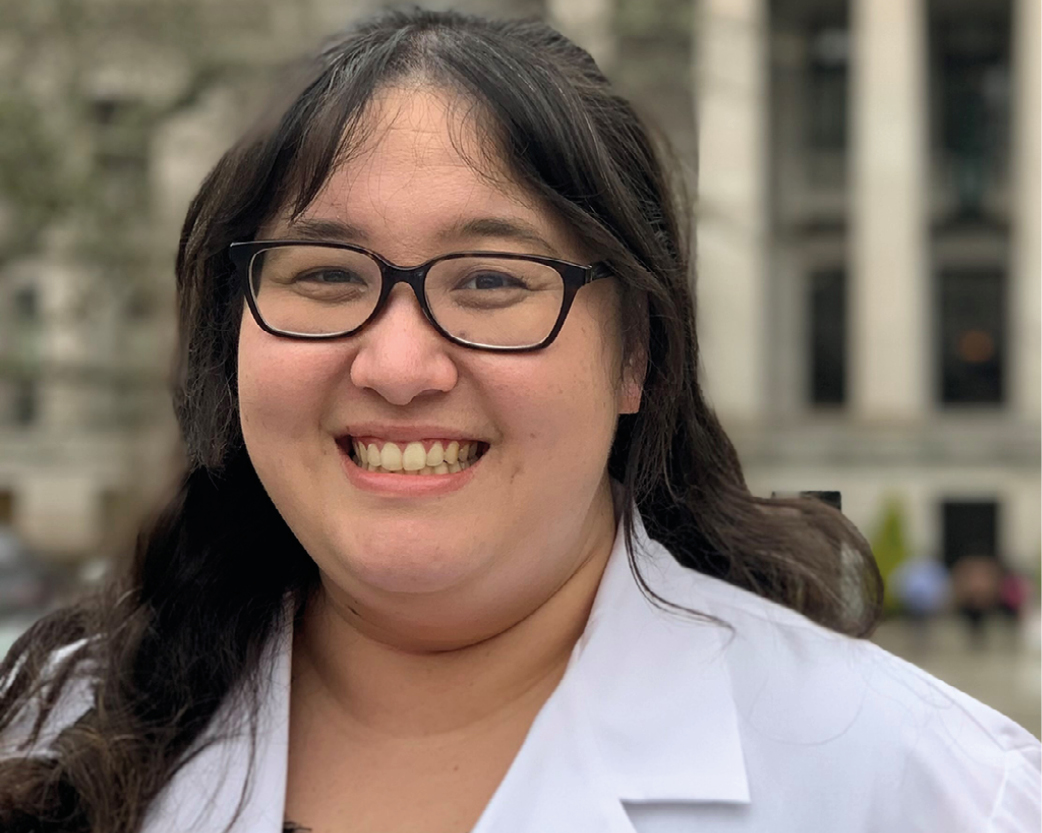 The American College of Apothecaries Research and Education Foundation recently announced that PY1 PharmD student Holly Seyler has been awarded the Pharmacists Mutual | ACA Foundation Community Pharmacy Scholarship.
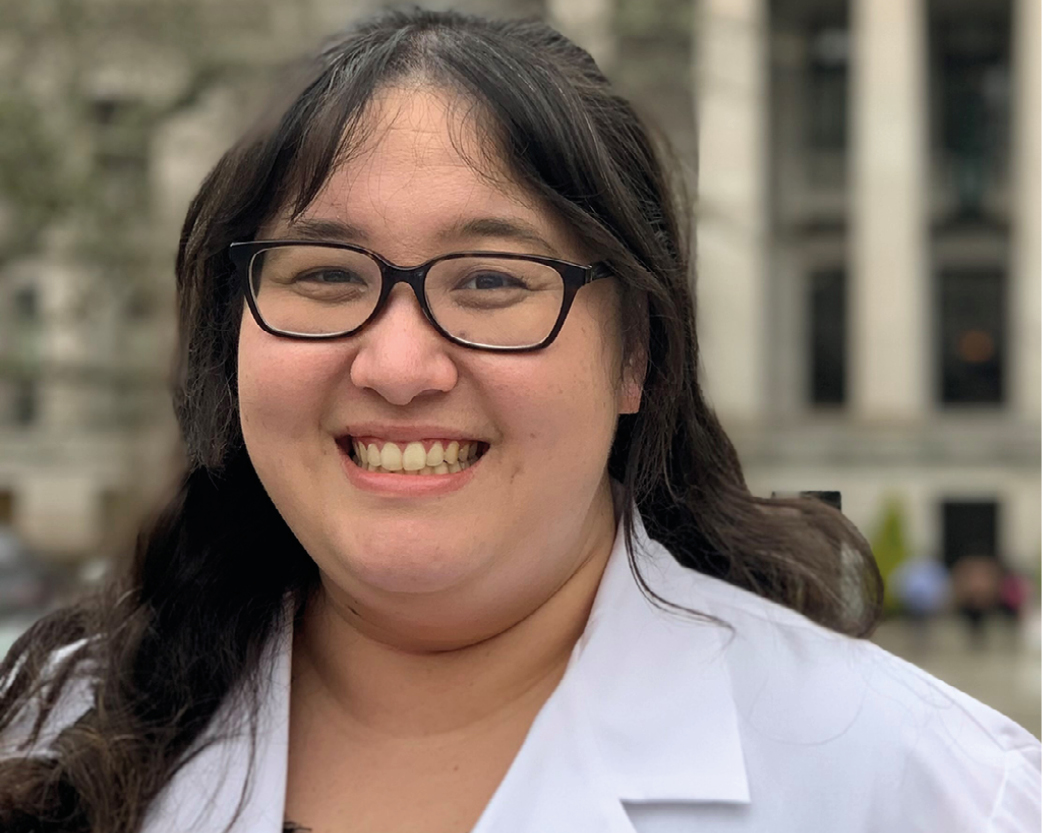 PharmD PY1 student Holly Seyler is among 20 student pharmacists across the country recently selected by the American Association of Colleges of Pharmacy for the inaugural cohort of the AACP Aspiring Academics Program.
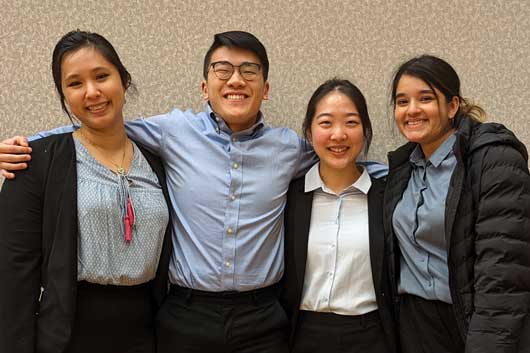 The School of Pharmacy is proud to announce the UW AMCP Chapter P&T team placed second at the National Student Pharmacist Pharmacy & Therapeutics (P&T) Competition finals! The event, which took place March 22 during the annual AMCP conference in San Antonio, is an annual team competition designed to provide an immersive experience in the skills necessary for effective formulary review and management.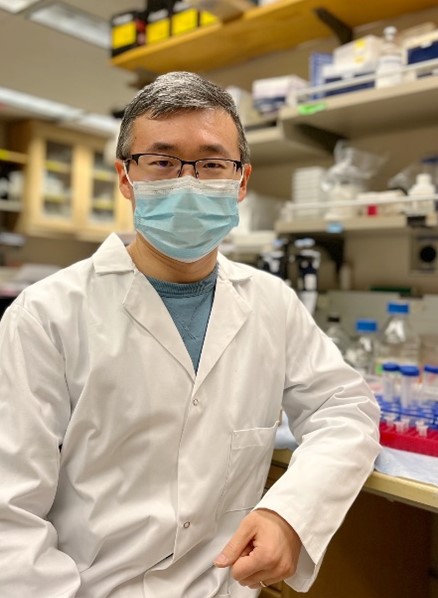
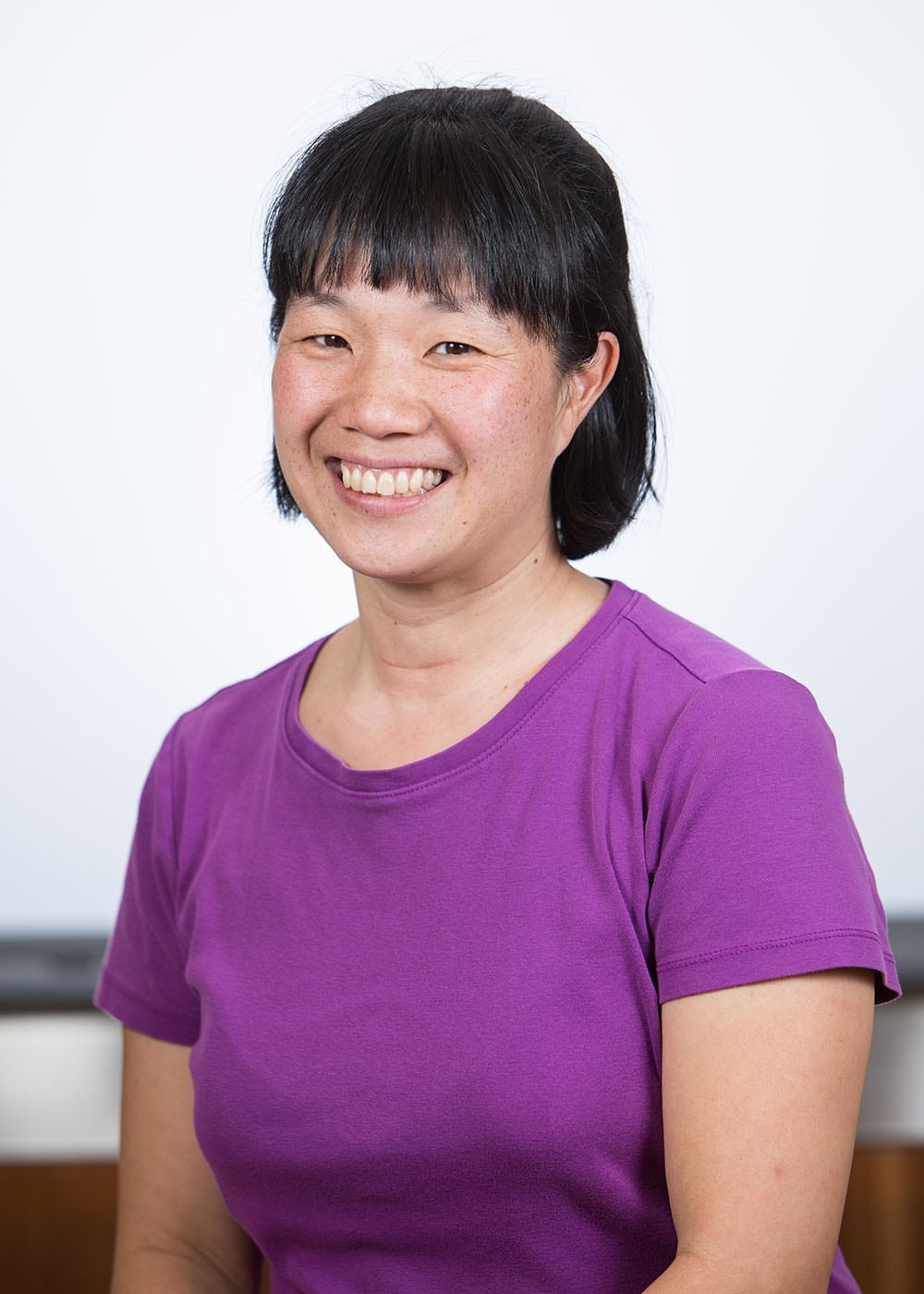
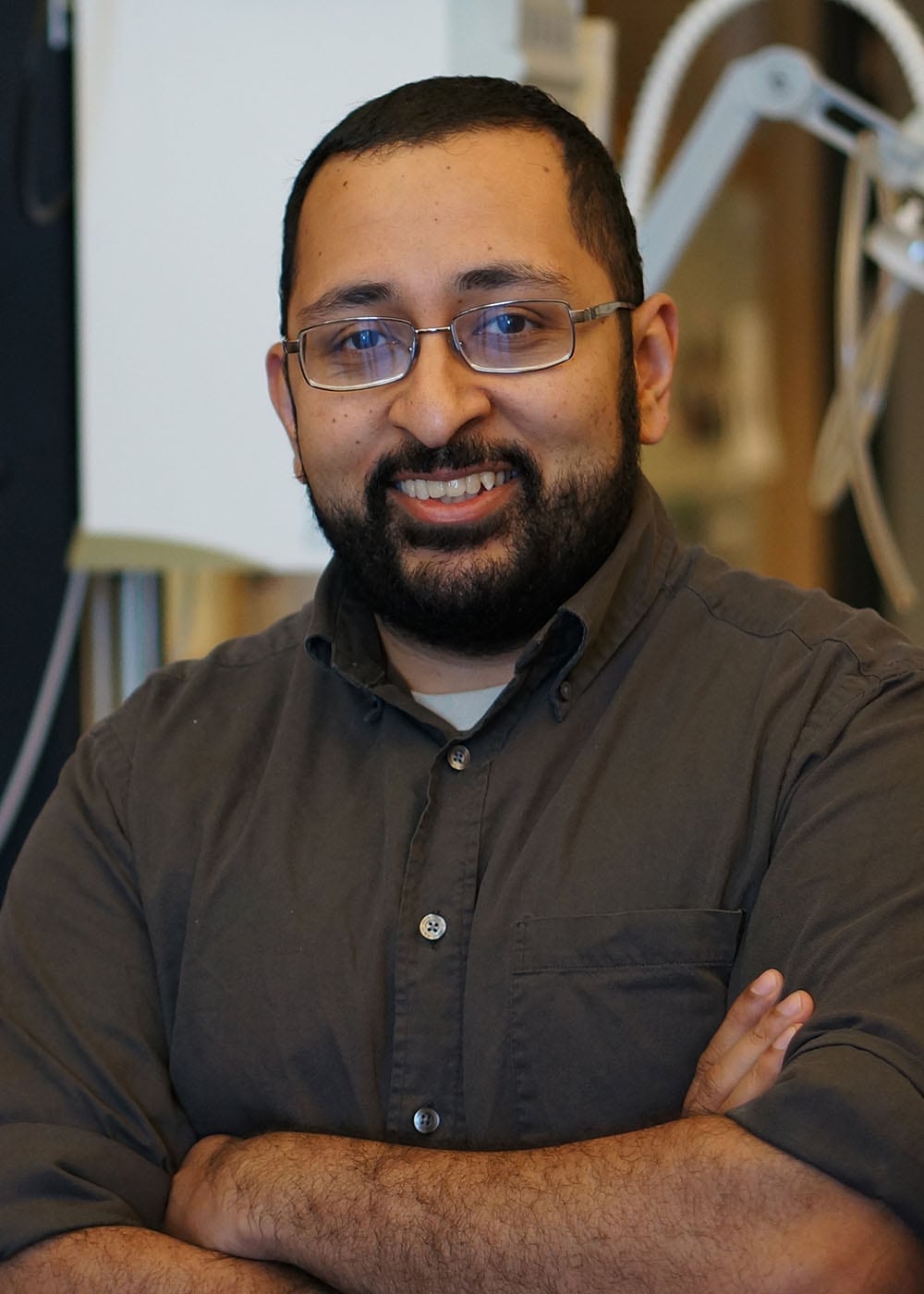
 The PharmD office of Recruiting and Admissions is seeking volunteers to support virtual admissions interviews, particularly among recent alumni. PharmD interview days are the most important recruitment events that we host each year. While we are evaluating applicants on their fit for our program, we know that most applicants will use the interview day to determine if UW is the right fit for them.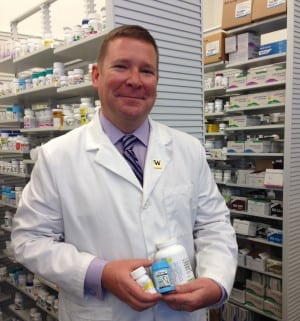
 Jackie Gardner | Epidemiologist & Legendary Advocate for Increased Access to Care
 Don Downing, ’75 | Advocate for Pharmacy and Women’s Reproductive Health
 Jennifer Bacci | Assistant Professor & Community Pharmacy Researcher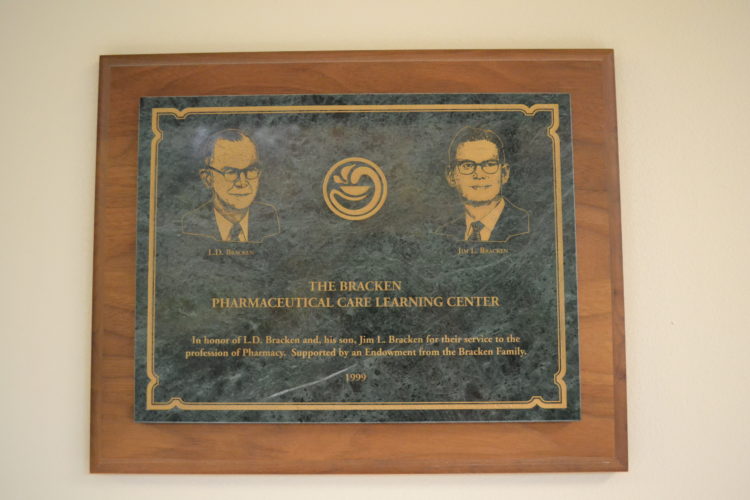

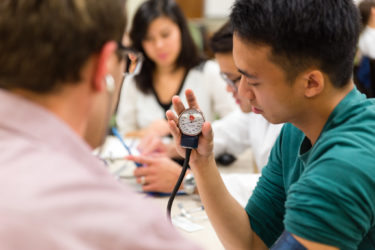
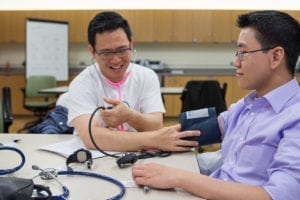
 Tony Casanova: 2019 Wayne A. Kradjan Excellence in Clinical Teaching Award Recipient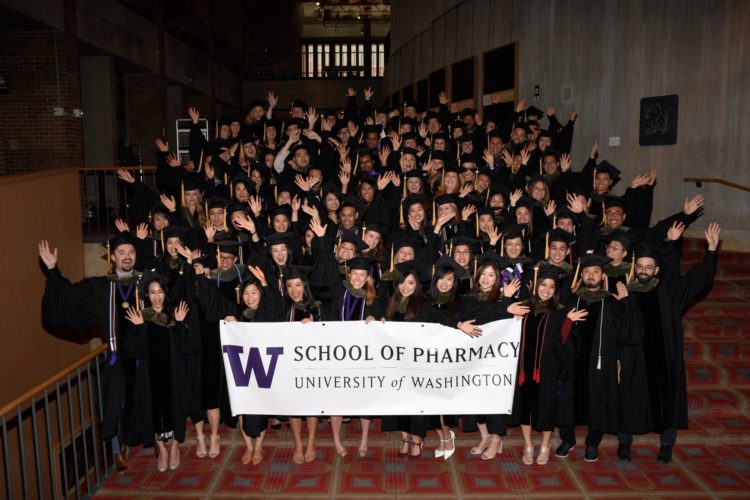
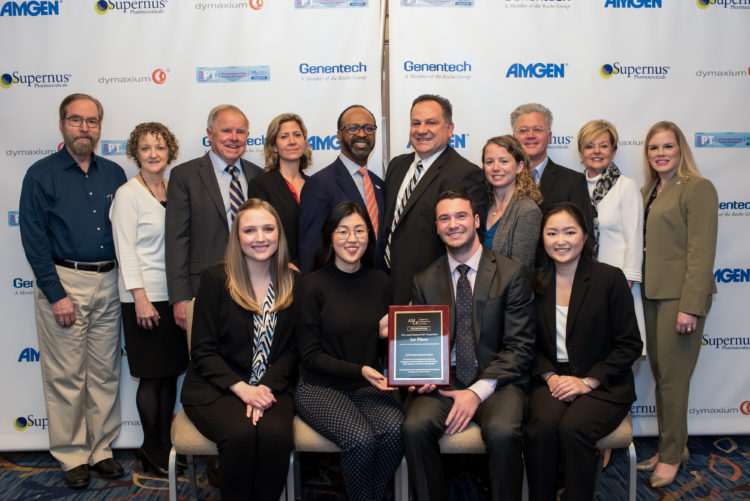
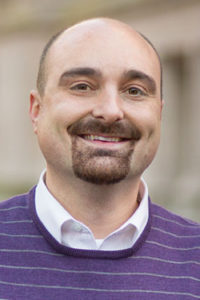
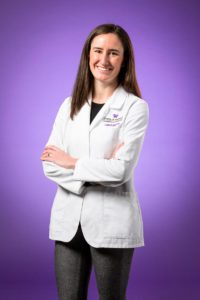
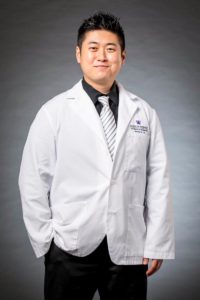
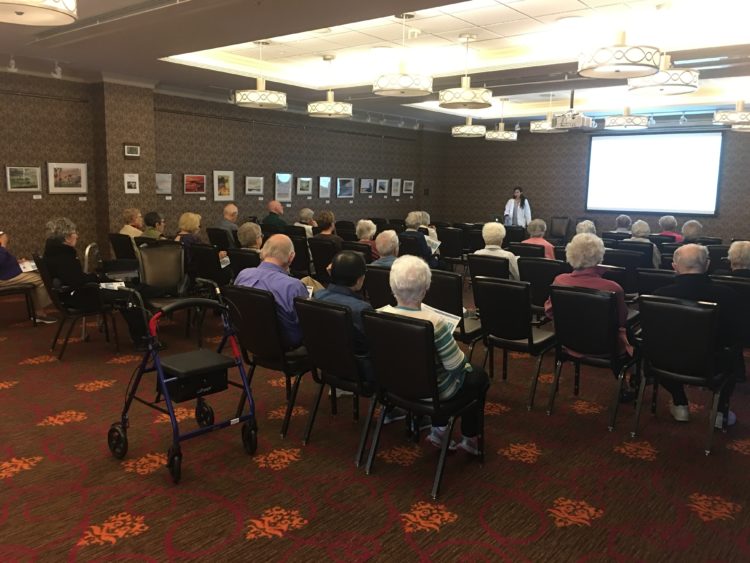
 Era Living communities are active and have many life-long learners as residents, including retired UW faculty. UWSOP and Era Living have a partnership designed to support residents’ health and create learning opportunities for our student pharmacists, under the mentorship of our faculty. Students and faculty regularly give well-attended talks on different subjects to empower the staff and residents in their own care. Topics include what to do to prevent contagious illnesses like pneumonia, whooping cough, and more.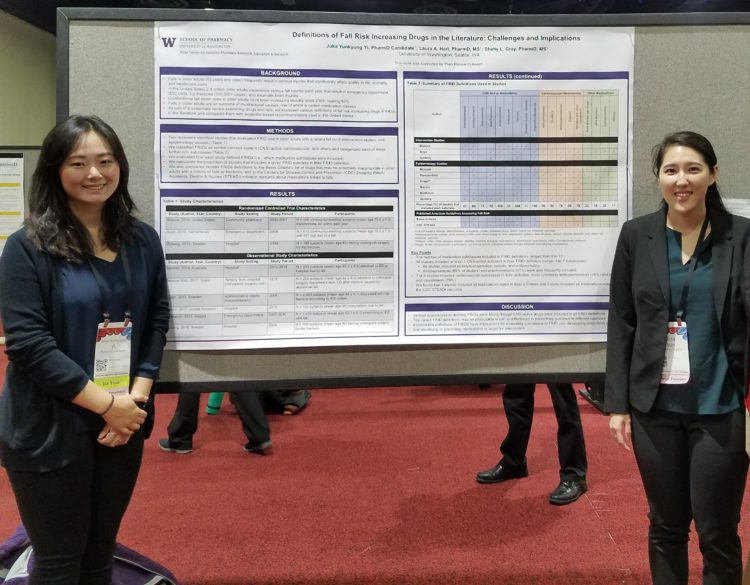
 Clinical affiliate faculty member, Ken Kenyon, Valley Medical VP of Pharmacy Services, for being WSPA’s Health System Pharmacist of the Year. This award recognizes outstanding health systems pharmacists and their services to the profession in cooperation with the entire health team as well as to the community.
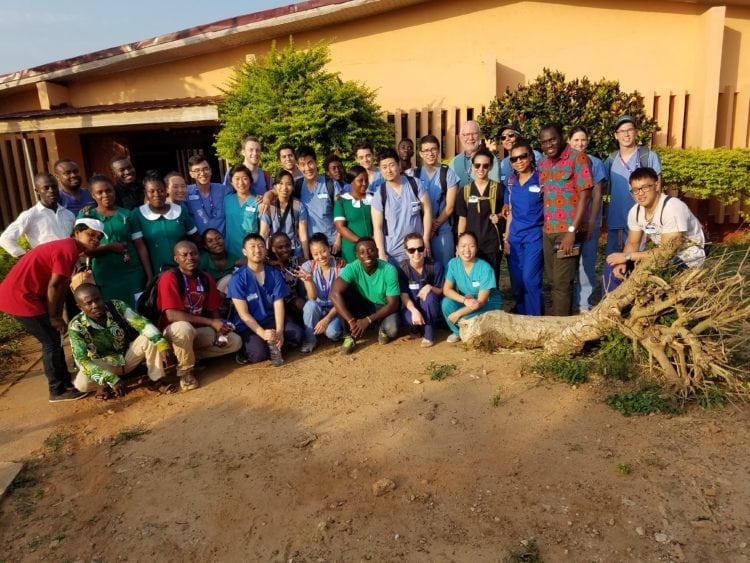
 Karan Dawson, Clinical Associate Professor, Department of Pharmacy; Consulting Pharmacist, UW Pharmacy Cares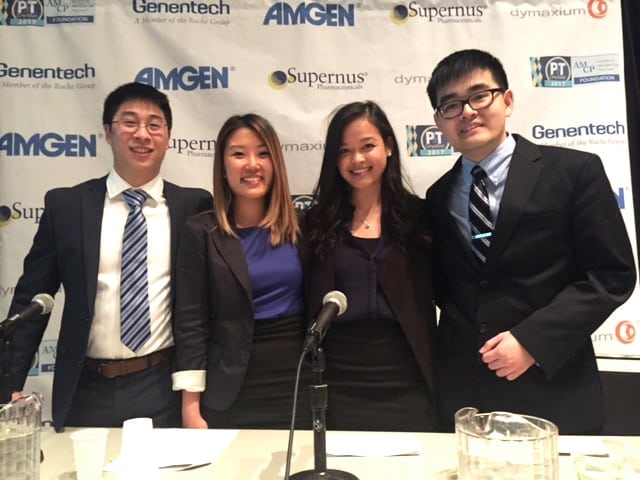
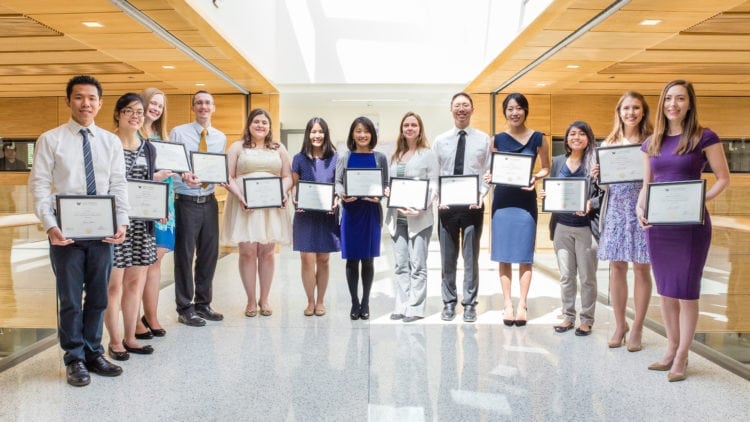
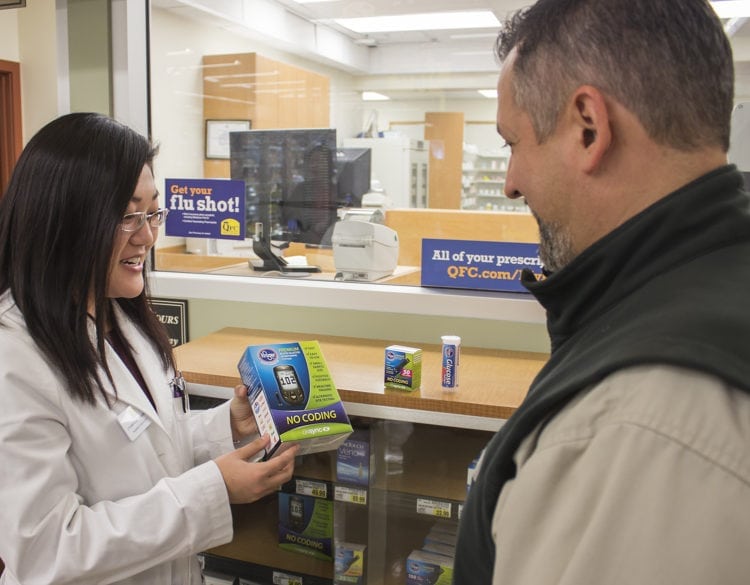

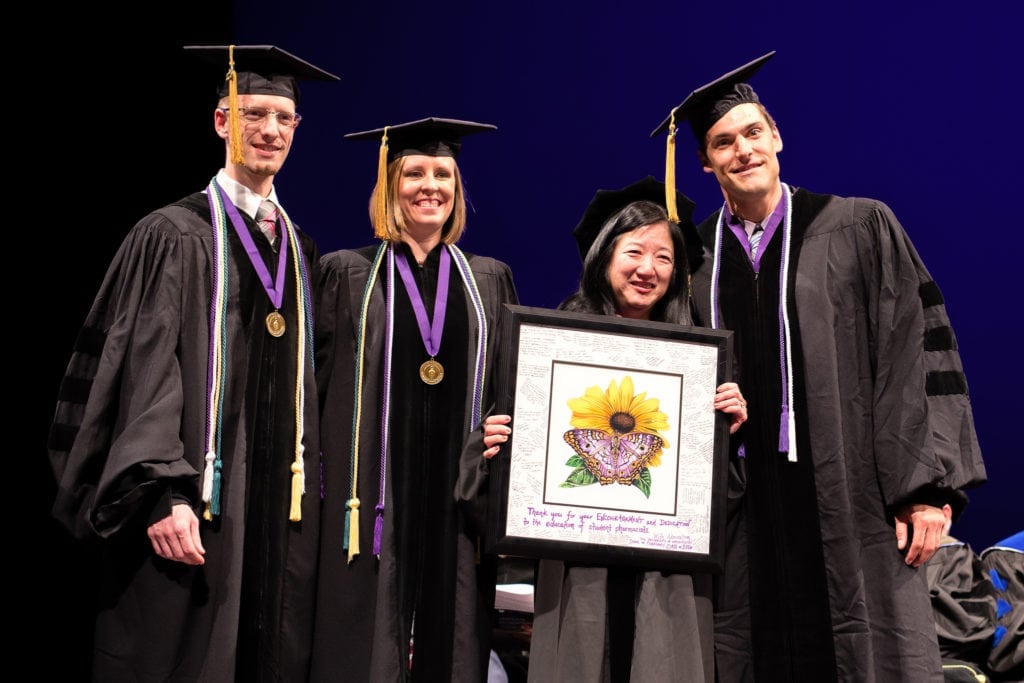
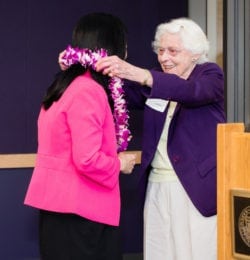
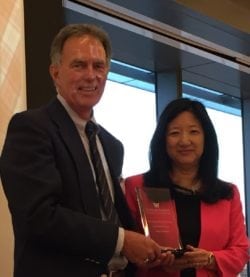
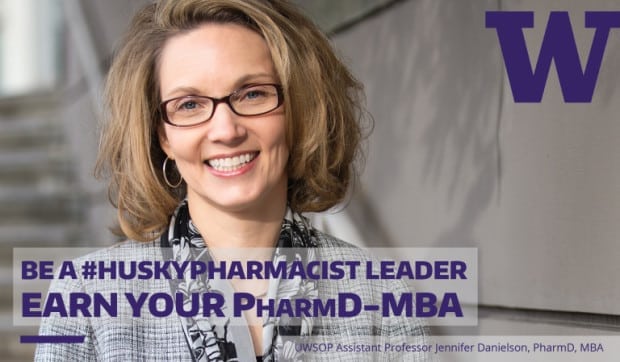
 The concurrent degree program goes beyond the business basics. With UW Bothell’s top-ranked educational value, choice of concentration, and the world-renowned faculty at UW School of Pharmacy, this program offers a new approach to health care leadership training. Students choose the Leadership or Technology track for their MBA, making them stand out in the market upon graduation.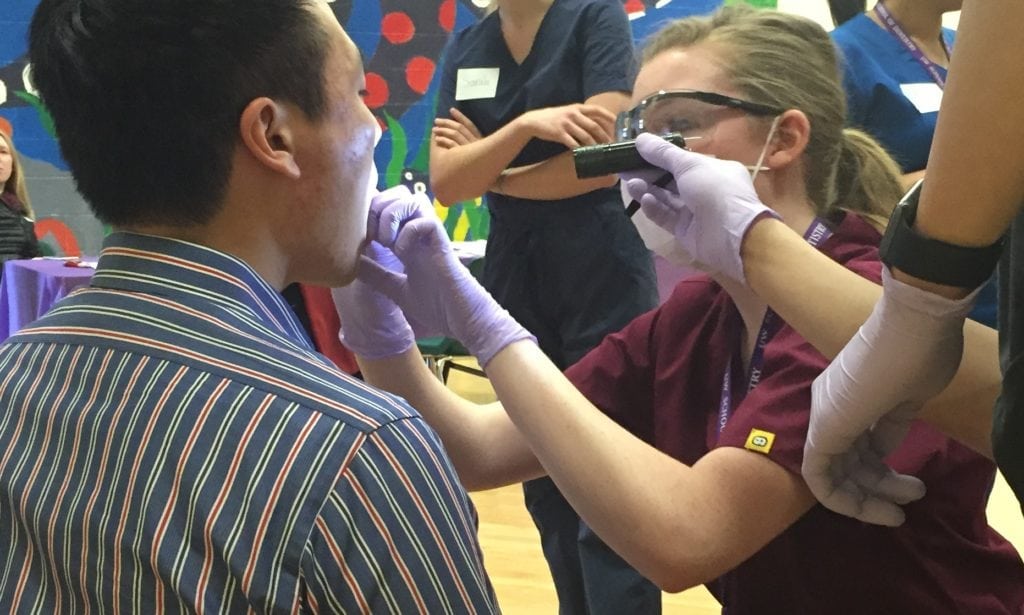
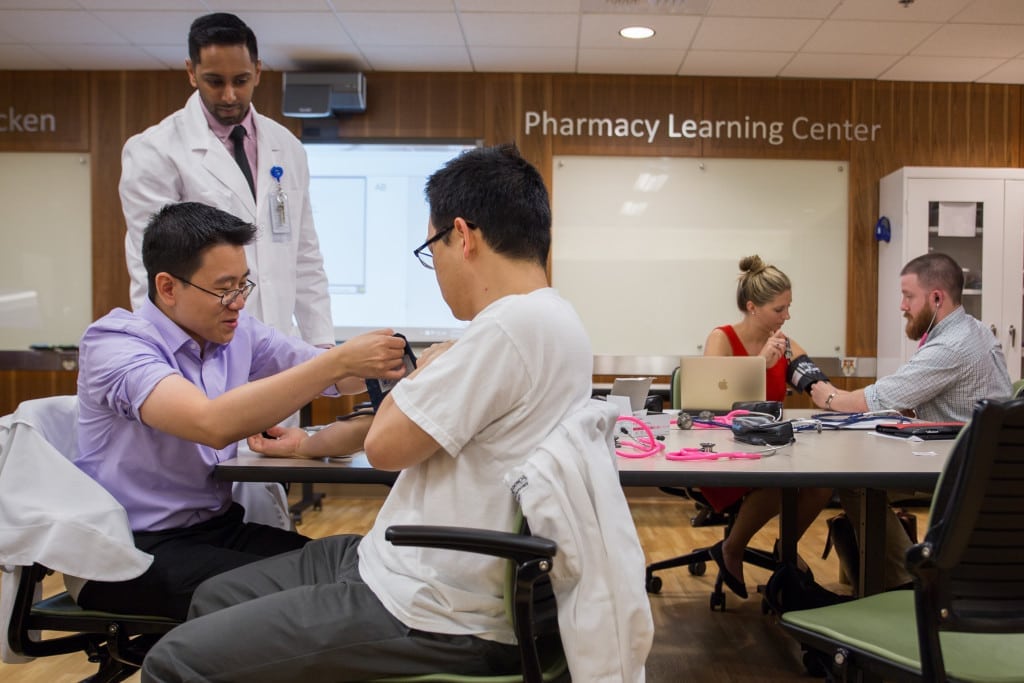
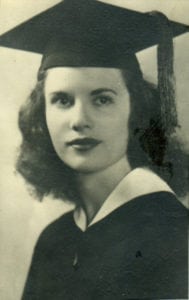
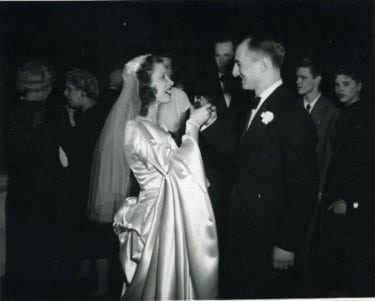 She met her husband, Herb Bridge, at a picnic in 1947 while on a double date. Only Shirley wasn’t on a date with Herb; she was with his friend. Undaunted, Herb pursued Shirley and proposed on their second date. A few weeks later, he presented her with an engagement ring. In his autobiography, he describes their conversation. “Do you like it?” he asked. “Well, yes,” she said. “Fine. We’re engaged.” With that and a promise to support her career as a pharmacist, Herb’s search for a smart, career-oriented woman with a mind of her own was successful. They wed on January 25, 1948.
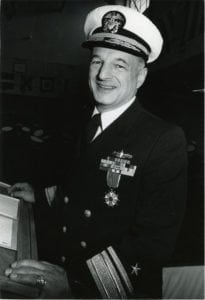 The couple continued to grow professionally and became more civically active as their family grew. Herb was nicknamed “Mr. Downtown” for his advocacy in creating a vital city center while Shirley advocated for legislative changes. In 1973, Shirley had gone to her local bank to co-sign a loan for a friend. The bank manager said, “I’m sure Herb won’t mind [if I give you a loan], I’ll give him a call.” Shirley informed the bank manager that she minded a great deal. She advocated for a new law and within a year, Washington state became the first to ban discrimination in credit and insurance based on sex or marital status.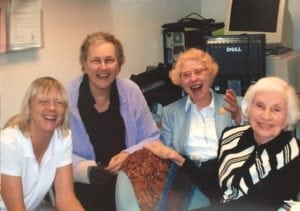
 The family endowed a professorship in Shirley and Herb’s name to fund female faculty and research in geriatric pharmacy. Shirley and Herb Bridge Endowed Professor Peggy Odegard established UW Pharmacy Cares with other UWSOP faculty, creating a faculty practice that provides a new approach to training our PharmD students, along with medication-related consultation and education to community-based partners. “The Bridge Endowment means a lot to this school,” said Peggy. “Without an endowment, innovative advances to pharmacy education and research are difficult to establish.” Shirley’s son, Jon, graduated magna cum laude with honors in economics at UW, followed by UW Law School, nine years active duty in the Navy and 22 in the reserve. Today, Jon shares leadership of Ben Bridge Jewelry as general counsel and co-CEO and with his cousin Ed Bridge, and serves on the Board for the Alliance for Education. With his wife, retired state Supreme Court Justice, Bobbe, herself an alumna and affiliate professor of law at UW, they founded the Center for Children and Youth Justice, a nonprofit for the reform of the juvenile justice and child welfare systems. Shirley’s son Dan became a Rabbi and served as Executive Director of Hillel UW from 1988-2007. After retiring from Hillel, he has consulted to many non-profits across Seattle. He currently serves as the Interim Executive Director of the Seattle Audubon Society and is the Emeritus Executive Director of Hillel UW. His wife Simcha Shtull has a private practice as a psychotherapist.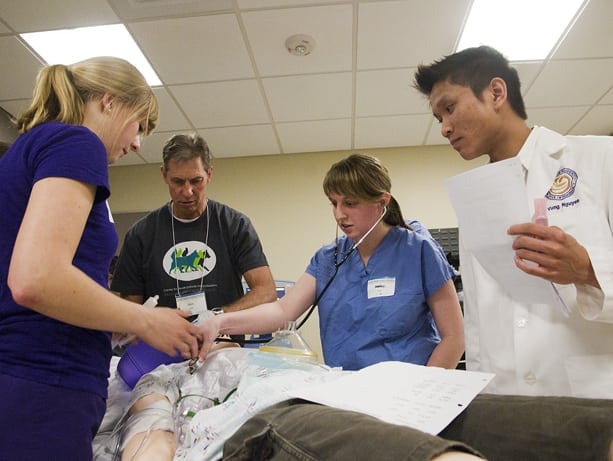
 Schools of Pharmacy are ranked by peer institutions every four years by U.S. News and World Report. In 2013, the last time U.S. News & World Report ran the survey, UWSOP ranked No. 10, amongst 125 schools of pharmacy. In this 2017 survey, UWSOP improved to No. 9 amongst a larger field of 135 schools of pharmacy.