Congratulations to CHOICE PhD students Karris Jeon and Ron Dickerson, recipients of the 2026 Louis Sr. and Marilyn Garrison Endowed Prize in Health Policy and Economics.
Established by Lou and Fran Garrison in honor of Lou’s parents, the endowed prize supports promising students whose work reflects the values of rigorous scholarship, thoughtful inquiry and meaningful impact in health policy and economics.
Karris and Ron each received a $700 award, which was presented during the recent CHOICE retreat.
We are grateful to the Garrison family for their generous investment in our students and their continued commitment to advancing the next generation of leaders in health economics and outcomes research.
Dr. Kyu Lee, PhD, Assistant Professor of Health Decision Science, The CHOICE Institute
University of Washington Assistant Professor of Health Decision Science, Dr. Kyu Lee, PhD, has been awarded a 5-year K01 career development award from the National Institute of Health (NIH), National Institute of Allergy and Infectious Diseases (NIAID) for research on the role of vaccine antigenic match in improving the effectiveness of seasonal influenza vaccines and the value of expanding genomic surveillance to inform vaccine strain selection.
The NIAID K01 provides a structured framework for Lee to accelerate the development of an independent, interdisciplinary research program. Through targeted mentorship and collaboration with experts in health economics, infectious diseases, viral evolution, and biostatistics, the award supports the expansion of her research portfolio in influenza and other evolving pathogens.
Lee, a faculty member in the UW Department of Pharmacy and The CHOICE Institute, sees the award as a pivotal step in establishing an independent research program at the intersection of decision science, vaccinology, and pathogen evolution.
“The K01 award represents an important milestone in my transition to independence as a researcher,” she said. “It provides a unique opportunity to build on my expertise in decision science and simulation-based policy evaluation while expanding into new areas such as vaccinology and pathogen evolution. This interdisciplinary training will allow me to integrate methods across fields to advance influenza policy research.”
Her work addresses a gap that has long complicated influenza vaccine research: isolating the contribution of antigenic match — how well a vaccine strain resembles the viruses actually circulatingin a given season — from the many other factors that shape vaccine effectiveness. Using quantitative approaches including geospatial analysis and value-of-information analysis, Lee aims to generate evidence that supports more efficient resource allocation and decision-making for seasonal influenza vaccination programs.
Lee’s path to influenza research was shaped in part by the COVID-19 pandemic, which drew her attention to the unique challenges posed by continuously evolving respiratory viruses.
“Influenza has a long history of vaccine development, yet continuous viral evolution poses persistent challenges to vaccine effectiveness,” she noted. “The potential for pandemics driven by major antigenic shifts underscores the importance of rapidly translating surveillance data into policy decisions. This intersection of uncertainty, data, and decision-making makes influenza policy an especially compelling area for applying decision science methods.”
The award will support close collaboration with an outstanding team of mentors, including Dr. Anirban Basu, Stergachis Family Endowed Director and Professor of Health Economics at The CHOICE Institute; Dr. Janet Englund, Professor of Pediatric Infectious Diseases at Seattle Children’s Hospital; Dr. Trevor Bedford, Professor in the Vaccine and Infectious Disease Division at Fred Hutch and a leading expert in viral evolution and genomic surveillance; and Dr. Adam Szpiro, Professor of Biostatistics at the University of Washington. Together, their expertise will be instrumental in shaping Lee’s long-term research trajectory.
Please join us in congratulating Dr. Lee on this well-deserved recognition. We look forward to seeing the impact her work will have on influenza vaccine policy and public health for years to come.
CHOICE is pleased to announce that applications are open for our two certificate programs for Fall 2026, now featuring updated names that better reflect each program’s focus and application in today’s healthcare landscape. New program websites are also live, and their expanded content makes it easy to explore everything these programs have to offer.
While the names are new, the programs deliver the same practical, job-relevant training valued by working professionals in health economics and outcomes research — with the same online, asynchronous format designed to fit the demands of busy careers and lives.
Both certificates emphasize real-world application and content designed with current industry needs in mind. They offer flexibility for professionals working full-time in any time zone, while still providing meaningful opportunities for networking and building connections in the field.
Formerly the Certificate in Health Economics and Outcomes Research (HEOR)
This certificate maintains the strengths of our legacy HEOR program while renewing the focus on HTA and market access. Students will master the economic principles that guide healthcare decision-making, the analytic methods that underpin robust economic evaluation, and the diverse approaches used by HTA bodies and payer organizations around the world.
Whether students enroll from industry, government, academia, clinical practice, or consulting, this certificate will strengthen their ability to navigate the complex interplay between clinical evidence, cost-effectiveness, value assessment, and market access and pricing strategies.
Formerly the Certificate in Data Science in Health Economics and Outcomes Research (HEOR)
This program continues to equip professionals with the tools to gain valuable insights from vast amounts of real-world health data. Drawing on real healthcare examples, this certificate emphasizes the why, when, and how of data science in health: why a particular method is appropriate for a given research question, when its results should (and should not) be trusted, and how findings can be interpreted to inform real-world decisions in clinical, regulatory, and commercial settings.
This certificate helps decision-makers understand what real-world data can (and cannot) tell us, how to choose and trust analytic methods, and how to translate results into sound decisions.
Prospective students can explore the newly launched program websites to learn about program structure, course topics and syllabi, faculty, student testimonials, and FAQs, and to register for upcoming information sessions.
For more information, contact Leana de la Torre, Certificate Program Manager, at uwsopchoice@uw.edu.
CHOICE PhD candidate Yunjoo Karris Jeon leads research providing a more nuanced picture of what federal drug price negotiation is projected to save.
Study Lead Author, Karris Jeon, MSc
A new study published in Value in Healthoffers the first drug-level analysis of projected Medicare savings from the Inflation Reduction Act’s drug price negotiation program to incorporate drug-specific utilization and price trajectories — and projects lower savings than prior estimates.
Led by CHOICE PhD candidate Yunjoo Karris Jeon, MSc, the study represents the first aim of her dissertation, projecting savings at the individual drug level for the ten Medicare Part D drugs selected for the inaugural round of negotiation, with prices taking effect in 2026. This drug-level approach reveals which drugs drive greater savings and why.
Key Findings
The research projects $2.3 billion in 2026 savings — an 8.8% reduction — compared to a historical benchmark scenario without negotiation. That figure is notably lower than prior estimates from the Congressional Budget Office (CBO, $3.7 billion) and the Centers for Medicare & Medicaid Services (CMS, $6.0 billion) — a difference the study attributes to three factors neither the CBO nor CMS accounted for: how drug use and prices naturally change over time, the anticipated entry of generic and biosimilar alternatives for five of the ten drugs, and a redesign of Medicare’s manufacturer discount structure, which affects how net prices are calculated. When generic and biosimilar competition alone was removed, projected savings rose to $4.7 billion, more in line with CBO and CMS figures. Savings projections should account for anticipated generic and biosimilar competition, which can substantially reduce negotiation’s impact.
The drug-level results showed that negotiation appears most effective for drugs with low prior rebates and long periods of market exclusivity — products that have not benefited from existing rebate systems and that have maintained sustained market dominance.
The team also went beyond a simple before-and-after comparison, evaluating negotiated prices against a counterfactual in which the selected drugs were not negotiated but instead subject to the new Manufacturer Discount Program. Under that comparison, negotiation was projected to save $2.4 billion (9.0%).
Implications for Policy
As the negotiation program expands to additional drugs, these results underscore that projected savings will vary widely.
“Medicare drug price negotiation is not a one-size-fits-all mechanism. How much it saves depends on the rebates and competitive history of each drug selected — a consideration that will grow more important as subsequent rounds proceed,” Jeon says.
The study was co-authored with CHOICE faculty Professor Sean D. Sullivan, BScPharm, MSc, PhD, and Professor Ryan Hansen, PharmD, PhD, alongside Kristi Martin, MPA, Director (Health Care) at Camber Collective and Nico Gabriel, MA, Health Insurance Specialist at the Centers for Medicare & Medicaid Services.
Kevin Li, PharmD, MS, and Jonathan Luong, PharmD, MS, collaborated with CHOICE Emeritus Professor Beth Devine on a new systematic literature review and network meta-analysis examining biologic treatments for adolescents with moderate-to-severe atopic dermatitis. Their article, “Biologic Treatments in Adolescents With Moderate-to-Severe Atopic Dermatitis: A Systematic Literature Review and Network Meta-analysis,” was published in Annals of Pharmacotherapy in 2026.
Network meta-analysis is not traditionally part of the PharmD curriculum, but it is a core method in Health Economics and Outcomes Research. As they prepared to begin their respective MS degrees in HEOR with The CHOICE Institute, Li, a UW-Sanofi fellow from 2024–2026, and Luong, a UW-Genentech fellow from 2025–2027, recognized the value of building this skill for their future professional work.
Li first identified a gap in the literature comparing biologic therapies for moderate-to-severe atopic dermatitis in adolescents and launched the indirect treatment comparison study. After completing his PharmD, Luong joined the team and helped see the manuscript through to publication. Emily Duffy, a pediatric dermatologist at Seattle Children’s Hospital, contributed the clinical perspective.
In addition to making a valuable contribution to the pediatric literature on biologic therapies for atopic dermatitis, their work offers pharmacists a useful example of how network meta-analysis can illuminate important comparative treatment questions.
“It was a true pleasure collaborating on this important project with our world-class PharmD and graduate students, Kevin and Jonathan,” Devine said.
The CHOICE Institute will be well-represented at the 2026 ISPOR Annual Conference — the premier gathering of the global health economics and outcomes research (HEOR) community — taking place May 17–20 in Philadelphia. Faculty, fellows, and students will present 23 research posters and participate in several featured sessions throughout the week.
Professor Sean D. Sullivan will receive the Avedis Donabedian Lifetime Achievement Award at the ISPOR Awards Ceremony (6:00–8:00 PM, Juniper Ballroom, Notary Hotel Philadelphia)
Honor recognizes decades of leadership in health economics and outcomes research through scholarship, policy impact and mentorship.
Sean D. Sullivan, Professor and former Dean in the University of Washington (UW) School of Pharmacy, and longtime leader of the Comparative Health Outcomes, Policy, and Economics Institute, or CHOICE Institute, has received the Avedis Donabedian Lifetime Achievement Award from the International Society for Pharmacoeconomics and Outcomes Research (ISPOR), the Professional Society for Health Economics and Outcomes Research. The award recognizes a career of sustained contribution to the science and practice of improving healthcare quality, value and decision-making.
Over more than three decades, Sullivan has helped shape the field of health economics and outcomes research through scholarship, policy leadership, teaching and mentorship. He also serves on the ISPOR Board of Directors as its current Treasurer and has previously served as President of the Society. Colleagues who nominated him for the award described his career as one defined by “scientific excellence, methodological rigor, and health policy,” and credited him with helping build CHOICE into one of the world’s leading academic centers in the field.
His work has had a lasting effect on how evidence is developed and used by payers, policymakers and clinicians, and Sullivan has played a pivotal role in advancing the Academy of Managed Care Pharmacy Format, budget impact analysis methods and value-based formulary design — contributions that helped change how clinical and economic evidence are presented and applied in coverage and reimbursement decisions in the United States.
Sullivan’s scholarship is both broad and influential. He has authored more than 440 peer-reviewed publications across a wide range of health conditions, with research that has informed clinical guidelines, payer and government policies, and health technology assessment processes. Most recently, his work has helped bring clarity to the complex and evolving policy landscape surrounding Medicare drug price negotiation under the Inflation Reduction Act.
Just as significant is the reach of his mentorship. Over the course of his career, Sullivan has mentored more than 90 trainees and faculty members, many of whom now serve in leadership roles across academia, state and federal governments, industry and payer organizations. That legacy has extended his influence far beyond his own scholarship.
Those who have worked alongside Sullivan point not only to the significance of his scholarship, but to the community of inquiry and mentorship he helped build around it.
“Simply put, I came to UW to work with and be trained by Sean Sullivan,” said Jonathan H. Watanabe, Professor and Goyan Presidential Chair, Department of Clinical Pharmacy, University of California, San Francisco School of Pharmacy. “The environment he has cultivated, the innovations he has fostered, the friendships he has nurtured that have all nucleated from the steadfast notion of applying scientific thinking and principles to better understand, quantify, and promote health in the real-world is unique on earth.”
Shelby Reed, Professor in Population Health Sciences and Medicine, Duke University, emphasized both the quality and relevance of Sullivan’s work, as well as the example he has set for others in the field.
“Sean’s massive body of research exemplifies best practice in addressing questions that matter,” Reed said. “His recent work investigating the impact of changes in drug pricing in the U.S. sheds light on the thorny intersection of affordability, innovation, and improving health outcomes for patients.” She added, “Sean’s impact on health economics and outcomes research is exponentiated through his steadfast commitment to lifelong mentoring to so many people in the field. I am lucky to be one of them.”
Andy Stergachis, Professor of Pharmacy and Global Health at the UW School of Pharmacy, said Sullivan’s career has left a lasting mark on both the profession and the many people shaped by his work.
“Having known Sean since his graduate school days, I have had the privilege of witnessing the truly remarkable trajectory of his academic and professional career and its impact,” Stergachis said. “His achievements have yielded lasting benefits for generations of his mentees, the profession of pharmacy, the healthcare system, and society at large. This lifetime achievement honor is a fitting recognition of his pioneering and enduring leadership and many contributions to the economic evaluation of health care technologies and practices, as well as to pharmaceutical and medical technology pricing and policy.”
Scott Ramsey, Director of the Hutchinson Institute for Cancer Outcomes Research at Fred Hutch Cancer Center, Professor of Medicine, and Adjunct Professor of Pharmacy, underscored the breadth of Sullivan’s influence as a scholar, teacher and mentor.
“Through his leadership, mentorship of generations of students, and scholarship, Sean has elevated the School of Pharmacy, launched dozens of successful careers, and built a legacy of research and teaching that is without peer,” Ramsey said. “He is a true giant in the field, and an incredibly positive force for the profession.”
Ryan Hansen, Professor and Chair at the UW Department of Pharmacy was first introduced to the field of Health Economics and Outcomes Research by Sullivan, and was mentored by him through graduate school. Hansen said: “Sean has had a lasting impact on so many lives around the globe, from patients to clinicians, and of course scientists in the field of HEOR. The Donabedian Award is a wonderful testament to his many scientific achievements and ongoing career.”
The field has evolved over the course of Sullivan’s career. When he entered health economics and outcomes research, the discipline was still establishing itself. Over time, the questions it raised — about value, affordability and evidence — moved from the margins to the center of healthcare decision-making.
Still, the central responsibility of the field has not changed: to produce rigorous evidence, communicate it clearly and ensure that it is used appropriately.
“It isn’t about data or methods,” Sullivan said. “It’s about patients who need medicines they can afford, and policymakers who need evidence they can trust.”
Sullivan’s career has also been recognized through his election to the National Academy of Medicine, designation as a Fellow of the American Association for the Advancement of Science, and the Academy of Managed Care Pharmacy Foundation Steven G. Avey Award for sustained and distinguished service to managed care pharmacy.
Along with the Donabedian Award, these honors reflect a career devoted not only to advancing a field, but to strengthening the connection between evidence and better healthcare decisions.
About the UW School of Pharmacy
The University of Washington School of Pharmacy advances better health through innovative research, education and service, and prepares the next generation of scientists, pharmacists and health care leaders.
It took less than 22 years after the discovery of the hepatitis C virus (HCV) for a fast-acting, highly effective treatment to become available. Modern drugs are more than 95% effective at curing hepatitis C infection, yet the virus remains a critical public health problem. It’s the most common bloodborne illness in the United States, and disproportionately impacts low-income people and marginalized communities.
A directive signed by former Gov. Jay Inslee in 2018 aimed to eliminate the disease from Washington state by 2030. The first-in-the-nation plan called for coordination between public health agencies, increased screening, removal of barriers to care and a new approach to purchasing antiviral medications at a discount.
A new study led by the University of Washington found that the plan not only expanded access to tests and treatment, but may save money in the long run. Published Feb. 10 in JAMA Network Open, the study found that total costs for hepatitis C-related care rose when the program was first implemented but have declined since, even as increased screening identifies more cases.
Study Co-Author & CHOICE Alumna, Ashley Tabah, PhD (’24)
“Comprehensive health insurance claims data can help us see how patterns in testing, treatment and healthcare costs are changing over time across a large population,” said lead author Ashley Tabah, who worked on the study while completing a doctoral degree at the UW. “That kind of information can help states better understand how initiatives to expand access to care may affect both patients and the healthcare system.”
Working in collaboration with the Washington State Health Care Authority and the Washington State Department of Health, researchers analyzed medical claims data between January 2017 and September 2022. Records included medical and pharmacy claims collected from both private insurance companies and public payers. The data represented about 70% of Washington residents, approximately 6-8 million individuals per year.
Researchers found that the number of HCV tests administered increased sharply after Washington implemented the elimination initiative. There was a median of 28,375 tests per month at the end of 2017, peaking at 99,161 by July 2020. The number of tests then leveled off at a median of 55,844 per month throughout 2021. Researchers noted that these shifts also aligned with new national guidelines that recommended all adults receive at least one HCV test. Consistent with increased screening, the study observed an initial increase in the total number of HCV cases, followed by a significant decline over time as more people received treatment.
The study also found that total HCV-related costs spiked immediately after implementation of the initiative, but then dropped closer to initial levels. Total monthly costs rose from $45.6 million in 2017 to $70.8 million in 2019, an increase the researchers attributed to expanded screening, which identified more cases to treat. Monthly costs then declined to $56.8 million in 2021.
Senior Co-Author, Pamela Kohler, PhD, MPH, BSN, Professor of Global Health and Child, Family, and Population Health Nursing
While total HCV care costs rose, costs per patient declined by more than 45%. Researchers said the decline may be due to increased screening catching more infections in otherwise healthy people, which would likely improve treatment outcomes and reduce associated risks over time.
“As an observational study, we cannot directly attribute the changes over time to the state initiative,” said co-author Pamela Kohler, a professor of global health and of child, family and population health nursing at the UW. “However, it does support the idea that investing in screening and treatment of healthy people without symptoms is more cost-effective than waiting until they become sick.”
Other authors include Anirban Basu, professor of health economics and director of the Comparative Health Outcomes, Policy and Economics (CHOICE) Institute at the UW; Paula Cox-North, teaching professor of biobehavioral nursing and health informatics in the UW School of Nursing; Omeid Heidari, assistant professor of child, family and population health nursing and of allergy and infectious diseases at the UW School of Medicine; Lisa Wiggins, research coordinator in the Department of Child, Family and Population Health Nursing at the UW; Judy Zerzan-Thul, Leta Evaskus, Donna Sullivan, Stella Chang and JoEllen Colson of the Washington State Health Care Authority; and Emalie Huriaux and Jon Stockton of the Washington State Department of Health.
This study was funded by the Laura and John Arnold Foundation.
Read the story on UW Today: https://www.washington.edu/news/2026/04/20/washingtons-hepatitis-c-elimination-initiative-expanded-access-to-testing-and-treatment-while-reducing-per-patient-costs-uw-led-study-finds/
Dr. Jing Li, Associate Professor of Health Economics at the CHOICE Institute
Dr. Jing Li, Associate Professor of Health Economics and Associate Director of the CHOICE Institute, has been selected as a finalist—alongside her co-authors—for the National Institute for Health Care Management (NIHCM) Foundation’s Policy Research Award. The recognition honors exceptional research that advances evidence-based health policy and contributes to improving the U.S. health care system.
The finalist paper, “Nothing for something: Marketing cancer drugs to physicians increases prescribing without improving mortality,” was published in February 2025 in the Journal of Public Economics. Using Medicare data on physician-administered cancer drugs, the study examines the impact of pharmaceutical marketing on physician prescribing behavior, health care spending, and patient outcomes.
The researchers find that marketing efforts directed at physicians increase the prescribing of cancer drugs and overall spending, without corresponding improvements in patient mortality. These findings raise important questions about value in cancer care and offer timely insights for policymakers and health system leaders working to align incentives with patient-centered outcomes and cost-effective care.
The NIHCM Foundation’s annual awards spotlight influential work that informs health policy and public understanding of health care issues. CHOICE Institute leadership and faculty are proud to see Dr. Li’s scholarship recognized among this distinguished group of finalists, underscoring the Institute’s ongoing commitment to rigorous research that informs real-world decision-making.
The CHOICE Institute is pleased to announce the 2026-2028 cohort of HEOR Fellows who will start their programs on July 1, 2026. Our HEOR fellows work closely with faculty in the CHOICE Institute on projects where they learn first-hand how to apply the principles of outcomes research to real-life problems. These fellowships provide students with a year of study at the University of Washington, usually combined with a period of applied research at the sponsoring company. The year of study leads to an MS degree in Health Economics & Outcomes Research.
These training programs in health economics, outcomes research, and policy each combine the resources of a leading academic center for pharmaceutical economics and policy with the dynamic, real-world training of major pharmaceutical and biotechnology companies recognized for their commitment to innovation. Read more about our industry fellowship programs.
Meet the fellows:
AbbVie
Sharon Kim, University of California-Irvine
UW Mentor: Kyu Lee, PhD, Assistant Professor, Department of Pharmacy, The CHOICE Institute
Bayer
Quinn Lifschitz, University of Utah
UW Mentor: Ryan Hansen, PharmD, PhD, Professor & Chair, Department of Pharmacy, The CHOICE Institute
Duc Pham, University of Minnesota
UW Mentor: Ryan Hansen, PharmD, PhD, Professor & Chair, Department of Pharmacy, The CHOICE Institute
Genentech
Brianne Burns, Thomas Jefferson University
UW Mentor: Dave Veenstra, PharmD, PhD, Professor, Department of Pharmacy, The CHOICE Institute
Pfizer
Julia Song, University of Utah
UW Mentor: Josh Carlson, MPH, PhD, Professor, Department of Pharmacy, The CHOICE Institute
Sanofi
Kendall Derber, University of Utah
UW Mentor: Sean D. Sullivan, BScPharm, MSc, PhD, Professor, Department of Pharmacy, The CHOICE Institute
CHOICE Institute Assistant Professor, Dr. Noémi Kreif was invited to deliver a keynote lecture in December 2025 at Corvinus University of Budapest – her alma mater – at a conference marking the 30th anniversary of the prestigious John von Neumann Award in economics. Funded by the Rajk College for Advanced Studies, a student organization of which Noémi was also a member, the prize celebrates outstanding contributions to economic thought. Drawing on the work of past awardees including Kenneth Arrow and John Harsanyi, her talk introduced an economics and business audience to health economics and highlighted how it can inform the design of more efficient and equitable health care systems.
Dr. Kreif presenting at Corvinus University in December 2025
What Modern Health Economics Brings to Public Health
Kreif introduced the audience to health economics as a practical decision science, not an abstract field. She highlighted the realities that make healthcare uniquely challenging: outcomes are uncertain, patients and providers have very different information, and society demands much higher ethical standards in healthcare than in typical markets. These conditions mean that health systems must rely on carefully designed public policies—not just market forces—to deliver fair and effective care.
Importantly, Kreif emphasized that health economics provides tools to answer real‑world questions, such as which treatments to fund, how to measure their impact, and how to ensure that the benefits reach those most in need.
Four Evidence‑Based Principles for Better Health Policy
1. Measure what actually matters for people’s lives.
Good policy requires accounting for both survival and quality of life, especially when evaluating expensive treatments like new cancer therapies. Without measuring wellbeing alongside longevity, health systems risk paying a lot for small gains.
2. Look beyond averages—equity depends on it.
The same intervention can have very different effects across communities. Life expectancy gaps of 15 years in the U.S. and 12 years within Hungary demonstrate that average results hide urgent needs. Policies must be assessed for who benefits and who is left out.
3. Remove small barriers that have big consequences.
Seemingly minor obstacles—like travel time, bus fare, or a small co‑pay—can prevent people from getting preventive care or vaccinations. Evidence from India shows that even simple in‑kind incentives can dramatically increase participation, while minimal fees reduce it. These findings underscore that access is shaped by friction, not just availability.
4. Use analytics to target what works, for whom.
Machine learning and modern causal methods can help identify which policies are most effective for which groups, enabling smarter resource allocation. Instead of “one‑size‑fits‑all,” health systems can tailor policies to maximize impact and close gaps.
Why This Matters Now
Corvinus University’s conference summary highlighted a key theme: the growing need for truly data‑driven decisions in public policy, especially as health systems confront rising costs, demographic shifts, and inequities. Kreif’s work provides a roadmap for how to do this responsibly and effectively.
Her message is that evidence is only powerful if we design systems that act on it. And acting on it means:
analyzing who benefits, not just the average effect;
investing in low‑friction access for those with the most to gain;
and using modern analytical tools to guide decisions under tight budgets.
A Call to Action for the Field
For policymakers:
Build equity and opportunity‑cost analysis into every major health decision.
Remove small, everyday barriers that disproportionately hold back the most vulnerable.
Invest in data systems and evaluation methods that measure who benefits—not just what works on average.
For researchers:
Continue producing evidence that identifies causal impact, not just correlations.
Study real‑world constraints like time, cost, and transportation alongside medical outcomes.
Translate findings into clear, actionable guidance that health systems can implement.
The Bottom Line
Design health policy around evidence, equity, and low‑friction access, and population health improves—measurably and quickly. The result is more people living longer, healthier lives; fewer communities left behind; and public budgets that deliver the greatest health gains where they are needed most. Kreif’s keynote made one message unmistakable: It’s not enough to know what works. We must implement what works.
Aging is one of the few experiences that is both deeply personal and entirely universal.
If we are fortunate, we grow older. We notice small changes first — a little more effort getting out of a chair, a second look at a medication label, a new awareness of balance or memory. Over time, aging reshapes routines. It invites new kinds of independence and, sometimes, new kinds of support.
Most of us will also find ourselves caring for someone older — a parent, a partner, a friend. We will learn how much daily life depends on small, steady acts: a reminder, a lift, a check-in call, a quiet reassurance.
And now, woven into that everyday reality, is artificial intelligence.
AI is already drafting emails and diagnosing diseases. But its most meaningful role may not be in laboratories or corporate boardrooms. It may be in homes — helping someone live safely, stay connected, and remain independent longer than was once possible.
The question is no longer whether technology will shape aging.
It already is.
The more important question is this:
How can we ensure it does so in ways that strengthen dignity, connection, and choice?
Rethinking What “Value” Means
For Jing Li, Associate Professor of Health Economics and Associate Director of The CHOICE Institute, the word “value” sits at the center of this conversation.
“In the current era,” she explains, “the unprecedented speed at which new technology develops — including advances in AI — has prompted policymakers, researchers, providers, and end users to look for ways to leverage these technologies to maximize their value.”
But value, she emphasizes, is not just about innovation.
“Value, at its core, involves both cost and benefit.”
That balance is broader than it sounds. Benefits include not only technical breakthroughs, but practicality, scalability, sustainability, and ease of use. Economists also look at what Li calls “marginal benefit” — the real, measurable improvement beyond what we already have. Does a tool meaningfully reduce falls? Improve medication adherence? Ease caregiver stress?
Costs are layered, too. There is the price of the technology itself, but also the time required to learn it, the adjustments in workflow, and the systems needed to support it. Trust and ethics, Li notes, cut across both sides of the equation. If people feel confident and respected, value increases.
The goal is not simply to build smarter tools. It is to build tools that make life better — in ways that are tangible and lasting.
Supporting the People Who Support Us
When we talk about aging, we often focus on older adults themselves. But caregiving is part of the picture — and often an invisible one.
For Karen Eggleston, Director, Asia Health Policy Program, Shorenstein Asia-Pacific Research Center, Stanford University, one of the most promising aspects of AI and robotics lies in how they can support care partners.
“One aspect that might be often overlooked,” she says, “is that AI and robotics can bring value to older adults through supporting their care partners — relieving the stress, time burden, or even the back pain of caregivers.”
That support can be transformative. A robotic lift that prevents injury. A digital platform that simplifies coordination. A monitoring tool that provides reassurance from a distance. Small improvements in caregiver burden can ripple outward — preserving energy, patience, and emotional bandwidth.
Eggleston underscores the importance of evidence to ensure these tools truly help. “For assessing value, it will be critical to gather evidence about what works in practice — including both the intended and unintended consequences.”
Done thoughtfully, technology has the potential to make care not only more efficient, but more humane.
Independence, With Support
For Shuai Huang, Professor, Department of Industrial & Systems Engineering at the University of Washington School of Engineering, the measure of success is clear.
“To define value in aging technology,” he says, “the primary metric should be how effectively a tool enhances an older adult’s quality of life, independence, and dignity — according to their own personal goals.”
That focus shifts the conversation. It reframes AI not as a replacement for human care, but as a partner.
“There’s a trade-off between a device providing ‘security’ for a clinician versus ‘surveillance’ for a senior,” Huang explains. Designing thoughtfully means ensuring safety without sacrificing autonomy.
Generative AI and digital tools are already enabling more proactive models of care. Sensors can detect subtle changes in routine. Predictive models can flag risks before they escalate. Virtual companions can supplement social engagement, especially for those aging alone.
The key, Huang believes, is inclusion. When older adults are invited into the design process — when their voices shape the tools meant to serve them — trust grows. The result is what one design participant described as an “ultimate partnership” — technology that feels made for me.
From Innovation to Real Life
In hospitals and long-term care settings, even the most promising technologies must prove themselves in the complexity of daily life.
For Oleg Zaslavsky, Director of the Digital Health Innovation Hub and Associate Professor in Aging, Biobehavioral Nursing at the University of Washington School of Nursing, value comes down to what people experience.
“Value should center on functional independence, caregiver burden, and quality of life — not just utilization or cost offsets,” he says. “True value in aging care must integrate both.”
AI now allows clinicians to detect patterns — changes in speech, movement, or behavior — that were previously invisible. That capability opens the door to earlier intervention and more personalized support.
At the same time, thoughtful implementation matters. Technology works best when it integrates smoothly into existing workflows and respects the people using it — from nurses to family members to older adults themselves.
When done well, these tools do not dominate the experience of aging. They recede into the background, quietly extending safety and support.
A Hopeful Future
If there is a through line in these conversations, it is this: technology should strengthen the experience of aging — not complicate it.
The most powerful tools may not be the flashiest or most visible. They may be the ones that quietly extend independence. The sensor that prevents a fall. The algorithm that catches a subtle health shift early. The digital platform that lightens a caregiver’s load. The interface that feels intuitive rather than intimidating.
Shuai Huang imagines a future in which AI becomes “an empowering, quiet partner — omnipresent yet never overbearing.” Success, he says, would sound like this: “I live alone, but I never feel alone or helpless.”
It is a modest vision, and that is precisely its strength.
Aging does not need to be reengineered. It needs to be supported — with tools that respect autonomy, preserve dignity, and make everyday life safer and more connected. When technology aligns with those goals, it expands choice rather than narrowing it.
The GenAI era offers extraordinary capability. The opportunity now is to apply that capability with care — designing systems that meet people where they are, that adapt to real lives, and that remain accessible beyond early adopters.
If we do that well, the future of aging will not feel futuristic at all.
It will feel steady. Supported. Human.
And perhaps most importantly, it will feel like life — continuing forward, with confidence and connection.
A new viewpoint article published in the Journal of Managed Care & Specialty Pharmacy examines how key provisions of the Inflation Reduction Act (IRA) of 2022 may unintentionally destabilize long‑term care (LTC) pharmacies—providers that serve many of the nation’s most vulnerable older adults.
The analysis, authored by PhD Candidate Shiven Bhardwaj and Associate Professor Douglas Barthold of the University of Washington School of Pharmacy’s CHOICE Institute, Weston Schmutz (Schmutz Health Solutions), and Jonathan H. Watanabe (University of California, San Francisco) evaluates how the law’s drug‑pricing reforms could create significant financial and operational challenges for pharmacies operating in LTC settings.
One of the paper’s central findings points to the projected impact of the IRA’s Maximum Fair Price (MFP) reimbursement structure. For drugs selected under the Drug Price Negotiation Program, LTC pharmacies could face an estimated 85% decline in revenue, a shift driven by reduced payments paired with already inadequate dispensing fees.
The researchers also highlight cash‑flow concerns arising from new Medicare Part D payment flows. Reimbursement timelines are expected to lengthen from roughly 14 days to 22–24 days, potentially creating liquidity shortfalls for pharmacies operating on narrow margins.
Douglas Barthold, PhD
The article further notes that requirements tied to the IRA’s Monthly Prescription Payment Plan (M3P) are often incompatible with the retroactive billing processes common in long‑term care. These conflicts could increase administrative burden and introduce friction in medication access for residents.
Beyond identifying risks, the authors outline several policy recommendations designed to stabilize the LTC pharmacy sector. These include codifying refund amounts to maintain acquisition discounts, aligning reimbursement with value‑based care models, and implementing targeted adjustments to ensure continuity of care. The work was supported in part by the Plein Center for Aging.
The researchers emphasize that without policy responses, the future of LTC pharmacies and their essential functions may be jeopardized.
The full viewpoint article is available through JMCP at this link.
A new article published in JAMA Health Forum outlines a path forward for eliminating hepatitis C virus (HCV) in the United States, emphasizing the need for coordinated, multi-stakeholder action to turn curative science into real-world public health impact. The article, “Stakeholder Engagement for Hepatitis C Virus Elimination,” is co-authored by Lou Garrison, Professor Emeritus of Health Economics in the Department of Pharmacy and The Comparative Health Outcomes, Policy, and Economics (CHOICE) Institute, along with Bruce C. M. Wang, PhD.
Although highly effective cures for hepatitis C have been available for more than a decade, an estimated four million people in the U.S. still live with the virus—many without knowing it. Each year, tens of thousands of new infections occur, disproportionately affecting people who use drugs and others who face barriers to traditional health care.
The article arrives at a pivotal moment. In 2025, bipartisan legislation—the Cure Hepatitis C Act—was introduced in Congress, calling for a national elimination program and strategy. Garrison and Wang argue that new tools, including the first FDA-authorized point-of-care HCV RNA test coupled with curative direct-acting anti-viral medicines make it possible and cost-saving to move from a complex, multi-visit diagnostic process to a “test-and-treat” model that can deliver results and begin care in a single visit.
“Science has already given us what we need to cure hepatitis C,” said Garrison. “The remaining challenge is implementation—making sure people can be tested and treated where they are, in ways that are fast, trusted, and accessible.”
The authors outline a national framework that engages federal and state agencies, health systems, community organizations, insurers, and industry partners. The goal: create a simplified, equitable infrastructure that brings testing and treatment into nontraditional settings such as community clinics, mobile outreach programs, and harm-reduction sites—places where many at-risk individuals already receive care.
The article also underscores the economic case for action. Untreated HCV can lead to cirrhosis, liver cancer, and premature death, driving enormous health care costs. Prior analyses show that treatment is not only lifesaving but cost-saving over time, with the potential to save billions in public spending while preventing future transmission.
At the University of Washington School of Pharmacy, this work reflects a broader commitment to public health impact—bridging research, policy, and practice to address urgent health challenges. Through its leadership in health economics, outcomes research, and policy analysis, UW is helping shape national conversations about how innovations reach the people who need them most.
“Eliminating hepatitis C is achievable,” Garrison said. “What it will take is the will to coordinate across sectors and ensure that cures don’t remain confined to clinics that many people never reach.”
The article is published open access in JAMA Health Forum and is available at this JAMA link.
Jing Li, Associate Professor and Associate Director of the CHOICE Institute, and faculty member of the Plein Center for Aging
By the time dementia becomes visible in daily life, the financial consequences may already be well underway.
Years before a diagnosis, subtle changes in memory and judgment can begin to interfere with how people manage money—missing a payment, overlooking an account, or failing to respond to market shifts. These early lapses are often dismissed as ordinary forgetfulness. But over time, they can compound into significant financial losses, leaving households more vulnerable just as the costs of cognitive illness begin to rise.
Jing Li, Associate Professor and Associate Director of the CHOICE Institute, and faculty member of the Plein Center for Aging, studies this long, largely invisible period before cognitive decline is clinically recognized. Her research—published in JAMA Neurology and by National Bureau of Economic Research—shows that financial decision-making often deteriorates well before dementia is diagnosed, quietly eroding household wealth at a moment when families are least prepared to absorb the loss.
“We all know dementia has serious consequences for health and health care,” Li said. “But the financial aspects are much less understood—especially what happens before people develop full-on dementia.”
A Slow and Quiet Decline
Cognitive decline does not begin at diagnosis. It unfolds gradually, sometimes over decades, affecting memory, attention, and executive function long before dementia is formally detected.
“The decline is a very long process,” Li explained. “Even before dementia becomes clinically detectable, something is already going on in the brain. Decisions can start to get impaired without the person knowing—and often without other people, such as family members, knowing.”
During this period, most people continue handling finances as they always have (paying bills, managing checking accounts, and overseeing investments that may have taken a lifetime to build). Older adults also tend to hold a large share of household wealth, making the consequences of even modest errors more serious.
Small lapses often come first. A forgotten bill payment can trigger late fees or penalties. Repeated mistakes can snowball into credit problems or mounting debt. More complex assets, such as stocks or investment accounts, pose even greater risks.
“For assets that need to be actively managed, we see a really clear, large drop in value,” Li said. “Even inattention—just not knowing when to buy or sell—can lead to substantial wealth loss.”
Vulnerability to Fraud and Exploitation
Cognitive decline can also make older adults more vulnerable to financial exploitation. Even cognitively healthy older adults are disproportionately targeted by scams. For those experiencing memory or judgment impairments, the risks increase sharply.
“They may feel more generous, more trusting, or less able to evaluate whether something makes sense,” Li noted. “And it’s not always strangers. Sometimes the perpetrators are people within their own family.”
The true scale of financial exploitation is difficult to measure. Many victims never realize they have been scammed. Others may feel ashamed or reluctant to report losses. As a result, available data likely understates the scope of the problem.
What researchers can document, however, is a consistent pattern: wealth begins to decline well before dementia is diagnosed, and financial decision-making appears to play a central role.
Who Faces the Greatest Risk
Risk is not evenly distributed. Older adults who live alone are particularly vulnerable, in part because there is no one nearby to notice subtle changes or intervene early.
“If you live alone, there’s no one looking over your shoulder,” Li said. “That makes it much easier for mistakes to go unnoticed.”
This is where communities, health systems, and financial institutions may have an important role to play. Routine cognitive screening during annual wellness visits can help identify early impairment. Even brief conversations about memory or decision-making can prompt earlier planning.
“Health care providers can’t do everything,” Li acknowledged. “But even talking about these risks and referring patients to other resources—like social workers—can be hugely helpful.”
Some financial institutions have begun exploring safeguards, such as flagging unusual transactions, simplifying account options, or allowing trusted contacts to monitor accounts when concerns arise.
“I’ve actually been approached by financial institutions wanting to understand this problem better,” Li said. “Many recognize there is a real risk when clients are in that early, pre-dementia stage.”
Planning Before It’s Too Late
For individuals and families, timing is critical. Once cognitive decline becomes apparent, it may be difficult—or impossible—to put protections in place.
“People need to be prepared before things go wrong,” Li said. “Once they do, it’s sometimes too late.”
Proactive steps can include designating trusted financial contacts, establishing durable powers of attorney, and considering financial products that provide stable income without requiring ongoing decisions. Simpler, lower-risk arrangements can offer security when decision-making capacity diminishes.
At the policy level, Li sees opportunities for broader intervention. Strengthening consumer protections against fraud, improving financial literacy, and expanding access to fiduciary services could all reduce vulnerability.
“There’s a larger role for policymakers,” she said, pointing to early detection, consumer protections, and support from agencies such as the Consumer Financial Protection Bureau. “This really requires action at multiple levels.”
A Universal Risk
Perhaps the most sobering message of Li’s research is that cognitive decline is not a niche concern. It is a risk every household faces.
“No one can guarantee they won’t develop dementia in the future,” she said. “Because it can be such a long process, you really need to start taking action early.”
Protecting household finances from dementia, Li argues, requires the same mindset used in preventive health: planning ahead, accepting uncertainty, and building resilience before a crisis occurs.
“Good policy planning and product design,” she said, “can make households more resilient when the risk hits—even though we don’t know when that will be for any given individual.”
What Families Can Do
Talk early: Begin conversations about finances and decision-making long before problems appear.
Designate a trusted contact: Many banks allow clients to name someone who can be alerted if unusual activity occurs.
Set up legal protections: Establish durable powers of attorney while decision-making capacity is intact.
Simplify finances: Consolidate accounts and reduce reliance on complex, actively managed investments.
Watch for warning signs: Missed bills, unusual purchases, or sudden generosity may signal cognitive changes.
Use routine screenings: Encourage cognitive screening during annual wellness visits.
Ask for help: Social workers, financial advisors, and community organizations can provide guidance and oversight.
CHOICE Institute Professor Emeritus Lou Garrison organized a session on value and access at the ACCESS Forum EU25 in Athens, alongside colleagues John Yfantopoulos (Emeritus Professor, University of Athens), Kavita Patel (General Manager, Roche Hellas), and András Incze (CEO, Akceso Advisors).
The discussion examined critical issues shaping global access to innovative medicines. Garrison highlighted recent attention on the share of GDP spent on innovative medicines in advanced economies, raising questions about free-riding and optimal differential pricing. Yfantopoulos pointed to chronic under-investment in public resources in southern and central Europe, while Patel emphasized the need for intellectual property protection, broad societal value frameworks, and sustainable funding policies to foster innovation. Incze stressed building mutual trust and encouraging high-income countries to pay their share, cautioning that price transparency can sometimes be counterproductive.
Reflecting on the session, Garrison noted, “The session will, hopefully, stimulate further thinking on how best to improve global access to innovative medicines through more efficient and equitable sharing of the costs and benefits of global biopharmaceutical research & development.”
Thirty years ago, a quietly ambitious idea began to take shape at the University of Washington—one that would go on to redefine how we measure value in healthcare, train generations of leaders, and build a model for collaborative, human-centered research.
Today, The Comparative Health Outcomes, Policy, and Economics (CHOICE) Institute—stands as one of the world’s leading centers for health economics and outcomes research (HEOR). But its origins were humble. Its growth, deliberate. And its impact, profound.
The first graduating PhD cohort in 2001: Eric Johnson, Sean D. Sullivan, Todd Lee, Mitch Higashi, Dave Veenstra, Nui Chaiyakunapruk, Tom Hazlet, Holly Trautman, Jackie Gardner.
A Foundation of Vision: The Early Years
The story begins in 1989, when Dr. Andy Stergachis joined the UW School of Pharmacy. With a background in pharmacy and public health, Stergachis saw an opportunity to create something beyond the traditional academic mold. In 1990, he began laying the groundwork for what would become the Pharmaceutical Outcomes Research and Policy Program—PORPP, the academic forerunner to CHOICE. Stergachis envisioned an institute that would anchor rigorous graduate training in applied pharmaceutical outcomes research—and help shape pharmacy’s broader role in public health.
From the start, the work was policy-relevant and globally impactful. Stergachis’ own research helped shift World Health Organization guidelines on anti-malarial drug safety during pregnancy. The ethos was clear: CHOICE would be about science, but also service. “The field has grown, and CHOICE has grown with it,” he said. From substance use and tobacco cessation to maternal health and medical devices, CHOICE faculty and alumni are tackling the most complex issues in healthcare today—always with collaboration at the core. But Stergachis believes CHOICE’s most lasting contribution may be its people.
“Our alumni are change makers,” Stergachis said. “They’re leading in government, industry, and global health. That’s the legacy.”
He and his wife Joanne have helped ensure that legacy continues—through endowments supporting global learning, faculty leadership, and future scholars. “It’s about investing in the future,” he said. “Because we’re not done. Not even close.”
Building a Research Engine: The Rise of Outcomes Science
Soon, Stergachis was joined by epidemiologist Dr. Jackie Gardner, and pharmacist and recent PhD health economist from UC Berkeley, Dr. Sean D. Sullivan. Together, they formed a nucleus of scholars committed to rigorous science, collaborative inquiry, and the belief that pharmacy should be as much about population health as pills. When Sullivan arrived in 1991, the idea of evaluating “value for money” in healthcare was still novel, and they saw an urgent need to ask better questions in this space—and train people to answer them.
“CHOICE is a community,” Sullivan said. “A home for educators, researchers, and students who are passionate about improving health outcomes through better decision-making.”
Andy and Sean at the historic APhA Meeting where the idea of PORPP was put into motion.
In 1995 the team, support, and funding were in place; the time was right to officially establish PORPP and a new graduate program. Under Sullivan’s leadership—as faculty, the Director of PORPP, and later dean—CHOICE helped pioneer the field of Health Economics and Outcomes Research (HEOR). Its graduate program became a launchpad for policy-influencing scientists. And its faculty—like Josh Carlson, Lou Garrison, Beth Devine, Dave Veenstra, Ryan Hansen, Aasthaa Bansal, and others—produced work that shaped real-world access, pricing, and regulation. “We’re often cited as a top institute globally,” Sullivan noted. “Not because of marketing—but because of the quality of our work, our dynamic students, and the staff behind it.”
The Institute’s impact can be seen in federal reforms, precision medicine policy, and groundbreaking cost-effectiveness methods. But its greatest influence, Sullivan said, may be its leadership pipeline: “Seven of the 30 ISPOR presidents have come from CHOICE. That’s not an accident. That’s a culture.”
Careers Defined: Purpose and Progress
For Dr. Beth Devine, CHOICE has been more than an academic home, it has been her purpose. “It wasn’t yet called CHOICE when I joined,” she recalled. “But the energy and ambition were unmistakable.”
Denise Boudreau, Shelby Reed, Kristin Marciante, Beth Devine
Across her career, Devine’s work has helped transform electronic health records, genomic screening, and evidence synthesis for national guidelines. She partnered across disciplines and continents, always keeping science in service to patients. “What sets CHOICE apart,” she said, “is that our research is never in isolation. It’s connected—to medicine, public health, informatics, and global policy.”
Reflecting on the evolution of CHOICE, Devine sees the next chapter of the Institute already underway. “We’re entering an era of real-world data, machine learning, and global collaboration,” she said. “But the core remains: rigorous, patient-centered science—and a culture of mentorship that multiplies our impact.”
Professor Emeritus Lou Garrison echoes Dr. Devine’s perspectives and is pleased to see the evolution and success of CHOICE over these 30 years and its contribution to the science of HEOR. Having mentored many students and junior colleagues, including Dr. Devine, he said, “I have had the privilege and pleasure of working with the dedicated and talented CHOICE faculty, students, and staff over this entire period—first, at Roche, as collaborator and mentor, and then, as a faculty member. My debt is immense—as is my gratitude for my good fortune.” In September 2022, Garrison received the Avedis Donabedian Outcomes Research Lifetime Achievement Award from ISPOR.
2012 Graduation Ceremony. Top row: Cara McDermott, Sean D. Sullivan, Beth Devine, Dave Veenstra, Josh Carlson, Denise Boudreau, Veena Shankaran. Bottom Row: Ryan Hansen, Heidi Wirtz, Jon Watanabe, Rafael Alfonso Cristancho, Josh Roth, Joanna Sanderson.
Dr. Josh Carlson, who serves as Graduate Program Director, sees collaborative culture as central to CHOICE’s success. “It’s not about individual excellence. It’s about building something together,” Carlson said.
His work with the Institute for Clinical and Economic Review (ICER) has led to more than 25 health technology assessment models used across the country. “It’s been a way to stay connected to both the policy implications and the methodological frontiers of our field. That dual relevance—rigor and impact—is what keeps CHOICE vibrant.”
A Broader Identity: Redefining Choice
Initial strategic plan brainstorming for The CHOICE Institute.
In 2014, when Sullivan became the Dean, he initiated the search for a new Director of PORPP. The search Committee, led by Andy Stergachis, identified Dr. Anirban Basu as the clear successor and he was appointed in 2015. At that time, the transformation from PORPP was already underway. But it was Basu who helped lead the redefinition. “Our faculty were working on vaccines, Alzheimer’s, financial behavior,” he said. “We needed a name—and an identity—that reflected that breadth.”
What’s in a name? Early brainstorming for PORPP’s new name: CHOICE.
Once CHOICE made its debut, it became an official university institute, unlocking broader scope and institutional support. Under Basu’s leadership, the Institute deepened its focus on real-world evidence, health insurance, and machine learning. Faculty like Noémi Kreif, Douglas Barthold, Jing Li, and Kyu Lee have brought new energy—and new questions.
“What sets CHOICE apart,” Basu said, “is that we train people not just to run models, but to interpret them. To connect economics, data, and ethics. That’s the work of a social scientist.”
He sees growing demand for that kind of thinking—and sees CHOICE rising to meet it.
“Healthcare is complex. Our job is to make sense of that complexity, and to train the next generation to do the same.”
A Culture of Belonging: Mentorship and Meaning
Since 1995, CHOICE has trained over 35 postdoctoral fellows, 90 master’s students, 84 PhD students, and more than 600 certificate students. CHOICE Institute alumni are a diverse community of experts who continue to shape the field—and their stories reflect the heart of the program.
Dr. Mark Bounthavong(’18) chose CHOICE not for the prestige—but for the people. He remembers entering the program with uncertainty, unsure whether he belonged in a rigorous PhD environment. But the culture he found at CHOICE quickly reshaped his expectations. “There were no stupid questions—only a shared mission to learn, grow, and contribute,” he recalled. “They made me feel like part of a team.”
That mentorship extended far beyond the classroom. When Bounthavong’s father passed away, it was CHOICE faculty and peers who reached out with support, compassion, and presence. “That meant the world to me,” he said. “It wasn’t just academic—it was deeply human.”
CHOICE alumni and students connecting at an ISPOR dinner organized by Mark Bounthavong in 2022.
Today, as an Associate Professor of Clinical Pharmacy at UC San Diego, Bounthavong sees his work and mentorship style as a direct reflection of what CHOICE instilled in him—modeling the same accessibility and generosity he received, and carrying the CHOICE ethos into new institutions and communities.
“We’re all products of this place,” Bounthavong reflects. “And the way we honor it is by paying it forward—by mentoring others, by spreading the values, and by building environments that feel like CHOICE, wherever we go.”
Felipe and his mentor Professor Basu at the 2025 Graduate Recognition Ceremony.
This culture of mentorship resonates with our most recent alumni. Dr. Felipe Montano-Campos (’25) shared, “For me, the most important part of CHOICE has been the mentorship and the chance to work with so many faculty across a range of topics. It also meant having the resources to attend conferences, meet more people in the field, and reconnect with CHOICE friends who are making their contributions all over the globe.”
As Felipe begins a Postdoctoral Fellowship at the University of Southern California, he carries with him memories of friendship and a soft spot for his home of the past four years. “When I think of CHOICE, I think of a group of incredibly respected researchers in the field—who also happen to be people I genuinely enjoy being around. And, of course, I can’t help but think of Seattle too.”
The People Behind the Progress
For Penny Evans, a longtime staff member who joined UW in 1991, CHOICE’s growth mirrored her own journey. When she first arrived, she had no idea she would be a part of one of the country’s leading centers for health economics, outcomes research, and policy.
“I became involved when they were developing the program,” she recalled. “I helped write and distribute the quarterly PORPP reports and then continued producing the annual reports until I retired. It was quite a journey.”
But her contributions extended well beyond reports and logistics. She welcomed new students, supported faculty research efforts, and helped organize national conferences. Through it all, she found joy and meaning in the relationships she built.
“The students were my favorite part,” Evans said. “They’re just phenomenal—so smart, so motivated. It gave me hope for the future.”
Penny’s last retreat as a full-time staff member prior to her retirement.
Though she retired in 2017, Penny Evans still carries her CHOICE memories with pride. “It was bittersweet to leave, but I was proud of what we built. And I know it’s in good hands—still growing, still evolving.” For Penny, CHOICE wasn’t just a workplace, it was a community that mattered—and still does. Her legacy lives on through the Penny Evans UW ISPOR Student Chapter Support Fund, established in 2017 to honor her lasting impact on the program. The fund supports student activities within the UW ISPOR chapter, fostering professional development and engagement with the global HEOR community.
Today, the administrative leadership of The CHOICE Institute is guided by Marina Gano, who joined in 2019 as the Graduate Program and Operations Manager. In 2023 she was joined by Leana de la Torre, serving as the CHOICE Online Certificate Manager. Their leadership, dedication, and genuine care for our students have helped carry forward Penny’s legacy and sustain the supportive culture that defines CHOICE.
Data and Decency: The New Generation Carries It Forward
Faculty such as Jing Li, Douglas Barthold, Kyu Lee, and Noémi Kreif are advancing CHOICE’s mission through innovative, data-driven research. At the same time, they remain deeply committed to the human-centered values that have long defined the Institute.
CHOICE faculty, staff, and graduating students the 2024 SOP Graduate Recognition Ceremony.
Dr. Jing Li, Associate Director of CHOICE, reflects that commitment in her research, which spans Medicare policy, pharmaceutical marketing, and end-of-life care. “We’re asking hard questions—about how we define value, how incentives affect prescribing, how policy changes affect patients in the real world,” she said.
One of her recent studies on advance care planning showed how Medicare reimbursement shifted end-of-life outcomes for patients, which has opened new national healthcare practice discussions on how policy can align with patient preferences. “That’s what we strive for—research that not only advances knowledge, but helps people live better lives.”
Douglas Barthold, Associate Graduate Program Director, brings a health policy lens to his work on chronic disease management and cognitive decline. He emphasizes the importance of interpretation and empathy in a field increasingly driven by data.
“AI is coming,” Barthold said. “But we have to teach what machines can’t: judgment, critical thinking, compassion. That’s the heart of our teaching mission.”
CHOICE faculty at ISPOR 2025 in Montreal.
Through complex simulation modeling, Kyu Lee’s work forecasts the future burden of diseases and how sound health policies can mitigate their impact on individuals and communities. Her latest research, focused on optimizing the timing of seasonal influenza vaccine selections, exemplifies the power of interdisciplinary and international collaboration by bringing together global experts in decision science, epidemiology, and clinical medicine.
Noémi Kreif adds another dimension to CHOICE’s evolving research landscape by combining causal inference and machine learning to improve health policy and economic evaluations. Her work focuses on using healthcare data in flexible, equitable ways to inform personalized decision-making. She is also deeply committed to training the next generation of graduate students and researchers.
CHOICE’s impact is felt not only through its research, but also in the experiences of the students who shape and are shaped by the program. Current PhD students Karris Jeon, Carlos Pineda-Antunez, and Satoshi Koiso share what drew them to CHOICE—and what makes it stand out.
Jeon shared, “As someone who came to the U.S. for a PhD program, CHOICE has been a gateway to new and diverse ideas—and a community of kind, brilliant people, where purpose meets possibility.”
Koiso added, “I chose CHOICE because of its close-knit community, the diversity of its students and faculty, and its strong commitment to impactful research that contributes to society. This combination of a supportive environment and meaningful work felt unique compared to other programs.” And for Pineda-Antunez, the decision was simple: “Once I made my choice, I loved my CHOICE!”
Together, this new generation is exploring the intersection of economics, innovative methods, equity, and human behavior—expanding the scope of CHOICE while upholding its enduring mission.
As Li puts it, “This is where ideas grow—and where people support each other in making them better.”
Looking Forward
CHOICE Faculty, Staff, and Students – May 2024
As the institute marks its 30th anniversary, its legacy is clear. Not only in the research it produces or the policies it informs—but in the people it has trained, the questions it has asked, and the values it has carried forward. Basu is clear-eyed about what lies ahead for the institute. “Healthcare inefficiencies aren’t going away. The pressure to improve outcomes and control costs will only grow. And CHOICE is uniquely positioned to contribute to that conversation, both nationally and globally.”
And as for what makes it all worth it?
“Coming to work every day with people who care deeply, who challenge you, who make your ideas better—that’s what CHOICE is,” Basu said. “And that’s why it matters.”
Authored by Scott Braswell, with our appreciation for bringing this piece to life.
The award recognizes Basu’s paper, “Gene Therapy Versus Common Care for Eligible Individuals With Sickle Cell Disease in the United States,” which was developed in collaboration with faculty, students, and postdoctoral researchers at the CHOICE Institute and funded by the National Heart, Lung, and Blood Institute’s Cure Sickle Cell Initiative. The study was published in Annals of Internal Medicine and explores the comparative impact of gene therapy versus standard care for individuals with sickle cell disease in the U.S.
Basu was acknowledged during the ISPOR Awards Ceremony at ISPOR Europe in November 2025.
This award is given to research that demonstrates practical application of health outcomes research and is expected to influence health policy or healthcare decision-making. ISPOR gives preference to work that applies health economics methods to areas such as health technology assessment, policy evaluation, and other topics aligned with the Society’s mission.
A Health Affairs Forefront article, “Blockbusters and Loopholes: Expanding Exemptions in Medicare Drug Price Negotiations,” examines how certain high-cost “blockbuster” drugs may avoid Medicare’s Drug Price Negotiation Program (DPNP) as a result of a small provision in the One Big Beautiful Bill Act (OBBBA), signed into law July 2025 by the Trump administration. The provision broadens the definition of “orphan drugs” under the DPNP, ultimately excluding them from negotiation or delaying their eligibility. The article illustrates which drugs impacted by OBBBA would have otherwise been eligible for selection in 2026 and 2027 under the DPNP.
“This research demonstrates that the provisions in the OBBBA impact the eligibility of several blockbuster drugs, such as Keytruda and Darzalex, leading to rippling effects in how much Medicare will save from the Medicare Drug Price Negotiation Program and ultimately patient access.” -Emma Cousin, PharmD, 4th Year PhD Candidate and Co-Author
This work was authored by Professor Sean D. Sullivan, BScPharm, PhD and CHOICE PhD Candidate Emma M. Cousin, PharmD, in collaboration with Kristi Martin, MA, MPA.
The Plein Center for Aging is a global leader in transformative pharmacy research, education, and outreach. Committed to optimizing medication outcomes for older adults and promoting healthy aging, the Center supports innovative work at the intersection of pharmacy and aging. This year, five CHOICE graduate students were awarded Plein Center scholarships—an opportunity designed to foster student engagement in aging-related research.
Preetika Banerjee, 2nd year PhD Student
Exploring the Relationship Between Antiviral Treatment and Antibiotic Prescribing for Respiratory Illnesses in Older Adults: A MEPS-Based Analysis
Preetika’s research focuses on the intersection of antiviral use and antibiotic prescribing in older adults with respiratory viral infections. Using nationally representative data from the Medical Expenditure Panel Survey (MEPS), Preetika will examine whether early antiviral treatment, such as Paxlovid or Tamiflu, reduces the likelihood of inappropriate antibiotic use during subsequent illness episodes. This work addresses an important gap in antimicrobial stewardship by evaluating how timely antiviral therapy may help curb unnecessary antibiotic prescribing, a key driver of antimicrobial resistance. She will also investigate which patient and provider characteristics are associated with inappropriate antibiotic use, using predictors like frailty, comorbidities, and healthcare access. The goal is to generate real-world, policy-relevant evidence to inform safer, more effective prescribing practices for older adults, a population that disproportionately experiences the harms of both infection and medication overuse.
Shiven Bhardwaj, 4th year PhD Student
Assessing Impact of the Inflation Reduction Act on Long Term Care Pharmacies
Passed in 2022, the Inflation Reduction Act (IRA) includes provisions designed to lower Medicare Part D spending and improve prescription affordability. Several of these policies indirectly affect Long-Term Care (LTC) pharmacies. Shiven will systematically examine these provisions, highlighting their intended and unintended impacts on LTC pharmacies. He will also outline measures that the Centers for Medicare & Medicaid Services (CMS) have taken to mitigate potential harms, along with additional steps needed to ensure seniors continue receiving high-quality LTC pharmacy services
Julia Fox, 4th Year PhD Student
Investigating Disparities in Healthcare Utilization and Outcomes for Sexual Minority Older Adults
Julia Fox will be leveraging Medicare claims data linked with data from the Health and Retirement Survey (HRS) to investigate differences in rates of potentially inappropriate medications, polypharmacy, medication-related problems, and adverse drug events between sexual minority older adults and heterosexual older adults. As sexual minority older adults are less likely to have family caregivers and report higher anxiety about engaging with healthcare professionals, she aims to study if those differences impact pharmaceutical utilization and pharmacological outcomes. Results will additionally be analyzed by dementia status to determine if differences are exacerbated by the condition. She is deeply grateful to the Plein Center for supporting this important research.
Ben Nwogu, 5th Year PhD Student
Comparative Effectiveness of Multiple Treatments for Metastatic Hormone-Sensitive Prostate Cancer (mHSPC): A Target Trial Emulation Using Claims Data
Ben Nwogu is addressing a critical gap in cancer care for older adults through his innovative research on novel therapies for metastatic hormone-sensitive prostate cancer (mHSPC). Leveraging rich real-world data, he expertly combines the target trial emulation framework with advanced machine learning methods to evaluate survival outcomes among patients treated with androgen deprivation therapy (ADT) in combination with abiraterone, apalutamide, enzalutamide, or docetaxel. By comparing these four treatment strategies, his study addresses an important evidence gap resulting from the absence of head-to-head randomized clinical trials directly evaluating these therapies. His findings will generate robust real-world comparative effectiveness data to support evidence-based treatment decisions by clinicians and patients, while also informing clinical guidelines and policy recommendations.
Olivia Yip, 2nd Year MS Fellow
Cost-Utility Analysis of Non-Prescription Oseltamivir for Influenza Treatment
Influenza is a viral respiratory infection that causes significant morbidity and mortality in older adults. Oseltamivir, when initiated within 48 hours of symptom onset, has been shown to reduce the duration of symptoms and the risk of serious complications. However, the current requirement for a prescription can delay treatment initiation, limiting its potential benefit. With increasing availability of rapid diagnostic tests, reclassifying oseltamivir to be available without a prescription following a positive influenza test may improve timely access and utilization. To evaluate this strategy, Olivia is conducting a decision-analytic modeling assessing the cost-effectiveness of oseltamivir reclassification from both the U.S. healthcare sector and limited societal perspectives. The hope is that this work would help facilitate earlier initiation of antiviral therapy and reduce influenza-related complications, hospitalizations, and healthcare expenditures among older adults.
Julia Fox presented her work at the 2025 Plein Center Research Symposium
Are new cancer treatments benefiting everyone equally? A new study published in JCO Advances, led by CHOICE alumni Dr. Sara Khor (’24) and CHOICE faculty Dr. Josh Carlson, Dr. Aasthaa Bansal, and Dr. Anirban Basu, along with Dr. Veena Shankaran from Fred Hutchinson Cancer Center, reveals that while new therapies for advanced lung cancer and melanoma have significantly improved survival rates, they have also widened survival disparities based on area-level income levels. This raises important concerns about how these innovations may exacerbate existing disparity gaps in health outcomes.
The research analyzed data from over 357,000 adults diagnosed with advanced cancers between 2007 and 2016. It found that new treatments led to a 3.7 percentage point increase in two-year survival for lung cancer patients and a remarkable 16.8 percentage point increase for melanoma patients. However, the survival improvements were not equal; patients in low-income counties experienced less benefit compared to those in high-income areas. Specifically, the approval of targeted therapies and immunotherapies was associated with increased survival disparities of 2.4 percentage points for lung cancer and 6.1 percentage points for melanoma.
Figure 3A: Observed lung cancer disparity in 2-year survival across county-level income level over time, measured in absolute difference, and the expected disparity in the absence of the innovations. Vertical dark green lines indicate the time when an innovation was approved by the Food and Drug Administration.
The researchers call for a reevaluation of drug pricing, coverage policies, and dissemination strategies to ensure that all patients, regardless of socioeconomic status, can access the latest treatments. They stress the importance of integrating equity considerations into healthcare policies and addressing the broader structural factors contributing to these inequalities.
“As the healthcare community continues to innovate, it is crucial to ensure that advancements in cancer treatment do not leave behind the most vulnerable populations.” says Khor.
At the UW School of Pharmacy, excellence takes many forms. We celebrate not only academic success and groundbreaking research, but also the passion, initiative, and innovation our students bring to every challenge. This month, we’re proud to honor six exceptional students who embody the very best of our community through their creativity, leadership, and dedication to making a difference.
HUI-HSUAN CHAN – 2025 MAGNUSON SCHOLAR
CHOICE PhD student Hui-Hsuan Chan was selected as the School’s 2025 Magnuson Scholar—an honor presented annually to one student from each of UW’s six Health Sciences schools. Funded by the Warren G. Magnuson Institute, the award recognizes both academic achievement and the potential for impactful research in fields like diabetes and public health.
“I’m honored to be selected as a 2025 Magnuson Scholar representing the School of Pharmacy,” Hui-Hsuan said. “This award provides generous support for my continued research into improving healthcare sustainability and managing high-cost chronic conditions like diabetes. I’m grateful for the opportunity to contribute to meaningful, lasting impact.”
ZIZI ELSISI – OUTSTANDING DISSERTATION AWARD
Zizi Elsisi, a PhD graduate of the CHOICE Institute, was honored with the 2025 Outstanding Dissertation Award for her rigorous and timely work on subscription-based payment models for Hepatitis C treatment in Louisiana and Washington.
“It’s an incredible honor to receive the Outstanding Dissertation Award for my research on subscription-based payment models for hepatitis C treatment in Louisiana and Washington,” Zizi said. “This work highlights how innovative financing strategies can improve access to cure medications for vulnerable populations. I’m proud to contribute to research that bridges policy and real-world impact. I’m especially grateful to my advisor, Dr. Anirban Basu, and the CHOICE Institute for their invaluable mentorship and support throughout this journey.”
CHRIS ARIAN – OUTSTANDING DISSERTATION AWARD
Chris Arian, from the Department of Pharmaceutics, also received the 2025 Outstanding Dissertation Award for his development of an intestinal microphysiological system (MPS) using a long-term cultured enteroid monolayer model. His innovative research is poised to significantly advance the field of drug metabolism and drug–drug interaction (DDI) prediction.
“It is an incredible honor to receive the School of Pharmacy’s Outstanding Dissertation Award,” said Chris. “Achieving this award would not have been possible without the support of my mentors, Dr. Ken Thummel and Dr. Ed Kelly, my partner Marelle for her encouragement and presence in my life, and my lab mates for their friendship and scientific discussions.”
AURORA AUTHEMENT – GRADUATE STUDENT LEADERSHIP AWARD (PHARMACEUTICS)
PhD candidate Aurora Authement was recognized with the School’s 2025 Graduate Student Leadership Award for her outstanding contributions to the Pharmaceutics Department and her mentorship within the student community.
“I’m honored to receive the Graduate Student Leadership Award,” said Aurora. “This recognition affirms the importance of fostering an inclusive, collaborative scientific community, and I’m grateful for the opportunity to contribute to the growth and success of my peers. I’m also deeply thankful to my mentors, including Ken Thummel and Nina Isoherranen, whose guidance and support have been instrumental in shaping my development as a leader.”
ALESI ESCOBEDO – GRADUATE STUDENT LEADERSHIP AWARD (MEDICINAL CHEMISTRY)
Medicinal Chemistry PhD candidate Alesi Escobedo was selected for the 2025 Graduate Student Leadership Award in recognition of her exceptional service, mentorship, and positive impact across the department.
“I’m truly honored to receive this award,” said Alesi. “It’s been a privilege to contribute to our department and support the next generation of scientists coming up behind me. Receiving this recognition reinforces my belief that a supportive community empowers us all to grow and succeed together.”
TORI DAYER – GRADUATE STUDENT LEADERSHIP AWARD (CHOICE)
Tori Dayer, PharmD and current PhD student at the CHOICE Institute, received the 2025 Graduate Student Leadership Award for her lasting impact on the program and her peers.
“Being part of the CHOICE and School of Pharmacy community has continually inspired me to grow and collaborate,” Tori said. “I am very honored to receive this award and to have had the opportunity to contribute to such a wonderful community!”
These students represent the best of what our School stands for: academic excellence, leadership, and a deep commitment to improving healthcare for all. Please join us in congratulating Hui-Hsuan, Zizi, Chris, Aurora, Alesi, and Tori on their outstanding accomplishments. Their work is shaping the future of pharmacy and public health—and we couldn’t be prouder.
The UWSoP is proud to announce that CHOICE PhD student Hui-Hsuan Chan was selected last month as a 2025 Magnuson Award recipient. With a keen interest in improving healthcare sustainability through robust health economics research, Hui-Hsuan focuses on managing high-cost chronic conditions like diabetes in an effort to alleviate their economic burden.
As Jason Lindahl, the UW’s Director of Health Sciences Services explains, “each scholar was nominated by their respective school – Dentistry, Medicine, Nursing, Pharmacy, Public Health and Social Work – on the basis of outstanding academic performance and potential contributions to research in the health sciences.” Each scholar will receive $34,000 to support their education and research in the upcoming year.
The Magnuson Scholars Award is presented annually to one outstanding student from each of the six UW Health Sciences schools: Dentistry, Medicine, Nursing, Pharmacy, Public Health, and Social Work. Funded by the Warren G. Magnuson Institute, the award recognizes academic excellence and the potential to advance impactful research in health sciences, particularly in areas such as diabetes and public health. It also provides generous financial support for continued training and research.
We’re excited to share that Manpreet Dhankhar, a PhD student fromThe CHOICE Institute, has been selected as a 2025 Bonderman Fellow. Manpreet is one of just two students from the UW School of Pharmacy to have received this fellowship since its inception.
As part of the program, Manpreet will receive $26,000 to travel independently for eight months through at least two regions of the world. Fellows are encouraged to explore new places, engage with different cultures, and learn from the experience — without the structure of academic study or research.
Manpreet’s travel goals are rooted in a desire to explore how craft, tradition, and identity intersect across cultures. With a background in pottery and textiles, she is particularly interested in how everyday creative practices are woven into the rhythms of daily life and how they reflect care, memory, and cultural preservation. Her current proposed itinerary includes Vietnam, Thailand, India, South Korea, Japan, Cambodia, Argentina, and Chile.
“This fellowship will allow me to immerse myself in vastly different cultures and to learn from the lived experiences, perspectives, and histories of people in other countries,” Manpreet said. “As someone whose work in the School of Pharmacy is shaped by global public health questions, stepping out of my comfort zone and experiencing new perspectives firsthand will no doubt influence my research, deepen my understanding of the world, and shape who I am as a person.”
The Bonderman Fellowship was established in 1995 by UW alumnus David Bonderman to support meaningful international travel for students. Since then, it has helped hundreds of Huskies broaden their horizons and reflect on their place in the world. Following Mr. Bonderman’s passing in December 2024, this year’s fellows continue to carry forward his vision.
“It’s a very exciting opportunity, and I’m grateful for the chance to grow as I undertake this journey,” Manpreet said.
Congratulations to Manpreet on this well-deserved honor — we look forward to following the journey ahead.
In their new JAMA Network Open study, PhD candidate Felipe Montano-Campos, Associate Professor Aasthaa Bansal, and co-authors tracked 5 years of monthly tyrosine kinase inhibitor (TKI) adherence in chronic myeloid leukemia (CML) patients.
“After adjusting for patient and provider characteristics — including differences in oncology practice styles — we found that oncologist-patient concordance (i.e., shared identity traits) was associated with higher and more sustained adherence over time” says Felipe.
To rule out the possibility that concordant relationships were driven by patient selection or provider sorting, the team formally tested whether concordance was associated with underlying clinical, sociodemographic, or care-seeking characteristics. It was not — the association with adherence remained robust.
This is one of the first studies to isolate the long-term behavioral impact of patient-provider concordance in real-world oncology care.
Treatment adherence trends by race and ethnicity and gender concordance
Dr. Jennifer Bacci – Endowed Associate Professor in Innovative Pharmacy Practice
Can pharmacists improve childhood vaccination rates without disrupting well-child visits? According to CHOICE PhD student Dr.Shiven Bhardwaj and Dr. Jennifer Bacci – endowed associate professor in Innovative Pharmacy Practice – the latest research looks promising.
In collaboration with colleagues at Fred Hutchinson Cancer Center and the University of Pittsburgh School of Pharmacy, Bhardwaj and Bacci co-authored a study that addresses a common concern:
Would allowing pharmacists to vaccinate children result in more delayed or missed well-child visits?
Dr. Shiven Bhardwaj
The study found that commercially insured children who received vaccinations at a pharmacy were just as likely – if not more likely – to attend their well-child visits on time.
While pharmacists in Washington State have been vaccinating children for over 40 years, many states still prohibit them from doing so.
The research from Bhardwaj and Bacci provides fundamental evidence to support the expansion of pharmacy-based immunization services, reinforcing the role of pharmacists as key healthcare providers in ensuring timely and equitable access to pediatric care. By breaking down barriers to vaccination, Bacci, Bhardwaj and their colleagues are paving the way for more accessible, innovative, community-driven solutions to transform pharmacy practice.
Dr. Jing Li, Associate Professor of Health Economics at the CHOICE Institute
In a recent article from the Journal of Public Economics, Dr. Jing Li – associate professor of health economics and Associate Director of The CHOICE Institute – examines the impact of direct-to-physician marketing payments from cancer drug companies on Medicare prescribing expenditures and patient mortality. Alongside co authors from Cornell University, Dr. Li’s latest publication uncovers a compelling trend:
Once physicians and cancer drug companies engage in a financial relationship – in other words, when physicians accept marketing payments from pharmaceutical firms – spending accelerates and prescribing increases without improving patient mortality.
Cancer-treating physicians frequently interact with pharmaceutical firms because they play a key role in deciding which drugs to prescribe – the ultimate influencers for which companies stand to profit.
Of the physicians considered for Dr. Li’s study, 67% of them received at least one marketing payment related to cancer treatment between 2014 and 2018. Major drugs like Opdivo and Keytruda reach more than half of prescribers with financial incentives like these. Upon receiving payment from a drug company, physician prescribing of the associated drug increased 4% in the year to follow, accelerating Part B cancer drug expenditure.
Following a marketing encounter with a drug company, Dr. Li’s findings suggest that physicians begin treating cancer patients with lower predicted mortality – that is, expanding the incentivized drug treatment to healthier patients with little meaningful improvement.
Last autumn, CHOICE Institute PhD student Dr. Emma Cousin (PharmD, ‘22) – alongside pharmacy faculty members Dr. Sean Sullivan, professor of pharmacy and Dr. Ryan Hansen, pharmacy department chair – published an article in the Journal of Managed Care and Specialty Pharmacy, titled: “Drugs Anticipated to be Selected for the Medicare Drug Price Negotiation Program in 2025.”
The study was completed in collaboration with Dr. Inma Hernandez and her research team at the University of California, San Diego. Authors of the study identified high-spending Part D products likely to be included in the second round of negotiations in the Medicare Drug Price Negotiation Program.
In January, the Centers for Medicare and Medicaid Services (CMS) released their list of 15 Part D drugs to be negotiated in the next round of drug price talks. “Back in September, we published our predictions of 13 drugs and identified 7 drugs with uncertain negotiation status to complete the list of 15. We correctly predicted 13 of the 15,” Cousin explained. “All 15 of the drugs are small molecules, 10 of the 15 have multiple indications and only semaglutide has multiple brands (Ozempic, Rybelsus and Wegovy)… We missed Otezla and Vraylar, which presumably have had recent increases in utilization since 2022.”
A recent study published in Value in Health by Julia Fox – a 3rd year PhD student at the CHOICE Institute – and coauthors reveals the staggering indirect costs of Alzheimer’s disease (AD), emphasizing the financial impact of unpaid caregiving and lost productivity across all stages of the disease.
They find that total annual indirect costs increase significantly with disease progression, ranging from $36,934 for mild cognitive impairment due to AD to $145,250 for severe AD. In total, these indirect costs amount to approximately $832 billion per year in the United States, including $599 billion in unpaid caregiving costs and $233 billion in productivity losses.
This study underscores the importance of incorporating indirect costs—such as caregiver burden and patient productivity loss—into economic evaluations of AD treatments. These findings provide critical support for including indirect costs in cost-effectiveness modeling and healthcare decision-making.
Professor Emeritus Lou Garrison recently visited China to give four talks on pharmaceutical market design and global differential pricing. He gave the keynote address for a new book launch at China Europe International Business School in Shanghai for Professors Eric Bouteiller and Annie Chicoye for their new book “Fundamentals of Market Access for Pharmaceuticals.” Lou commented that: “Our field has done a poor job of communicating the economics of pharmaceutical market design in terms of the role of the patent system in promoting innovation and improving access through generics. I highly recommend this book for not only providing the economic fundamentals but also explaining the complexities and challenges in improving real-world access for patients.”
From left: Eric Bouteiller, Hiroshi Nakamura, Jung Wonjoo, Shanlian Hu, Lou, François Houÿez, Vivian Chen, Joseph Saba, Annie Chicoye
Lou was also graciously hosted and gave talks at Roche China, China Pharmaceutical University (in Nanking) and Fudan University.
Lou was honored to speak to students at Fudan University and with pharmacoeconomic faculty and Chinese thought leaders (from left) Professors Wen Chen, Shanlian Hu, and Min Hu.
His talk emphasized the need to promote better global differential pricing to improve global assess to innovative medicines through more rapid and efficient health technology. He said: “China is a great example of how to accelerate access, having made great progress since I first lectured about Markov modeling to the Central Drug Committee fifteen years ago.”
Lou also mentioned the ongoing work of ISPOR Global Access to Medical Innovation Special Interest Group that he helps to lead and his aim to accelerate its work in 2025.
There is significant concern that the growing use of algorithms in clinical practice can exacerbate health disparities by perpetuating discriminatory recommendations embedded in such algorithms.
In a recent Viewpoint article published in JAMA Health Forum, Anirban Basu – Professor of Health Economics and Stergachis…
Sean D. Sullivan, BScPharm, PhD Emma M. Cousin, PharmD
CHOICE Institute PhD student Emma M. Cousin, PharmD, and Professor Sean D. Sullivan, BScPharm, PhD, published an article in the October 2024 issue of the Journal of Managed Care & Specialty Pharmacy titled “Drugs Anticipated to be Selected for the Medicare Drug Price Negotiation Program in 2025”. The study was completed in collaboration with Dr. Inma Hernandez and her research team at the University of California, San Diego. In this study, the authors identified high-spending Part D products likely to be included in the second round of negotiations in the Medicare Drug Price Negotiation Program. This work brings to light the challenges and complexities involved in selecting eligible drugs for the negotiation program.
Hosted by The Comparative Health Outcomes, Policy & Economics (CHOICE) Institute at the University of Washington School of Pharmacy, this biennial conference will be held in person from Monday, March 31, 2025, at 4:30 PM PST, to Wednesday, April 2, 2025, at 12:30 PM PST, on the beautiful UW campus in Seattle, WA. We invite you to join us and share your research. Additionally, the current conference program at a glance is now available at this link: WPEC-2025-Agenda-at-a-Glance.pdf.
Deadline for submissions: Friday, January 10, 2025, 11:59 PM Pacific Time
Abstract word limit: 304 maximum word count, including headers (OBJECTIVES, METHODS, RESULTS, CONCLUSION)
We adhere to ISPOR formatting guidelines. You are welcome to replicate your ISPOR submissions where applicable. For details, please refer to ISPOR’s Research Submission Information
We aim to accept all complete and scientifically sound abstracts, and the highest-scoring submissions will be invited for podium presentations. The presenting author must be a student. Do not miss this opportunity to share your work with peers and influential leaders in the fields of pharmacoeconomics, health policy, and outcomes research.
For detailed submission guidelines and further information about the conference, please visit our website: WPEC 2025 Website.
Greg Guzauskas, PhD; Senior Research Scientist, The CHOICE Institute
In a new publication in Genetics in Medicine, recent CHOICE graduate Joyce Jiang, PhD, evaluated the cost effectiveness of screening the general population for risk of colon cancer using genomic sequencing.
Joyce Jiang, MPH, PhD (’24); HEOR PhD Graduate, The CHOICE Institute
Dr. Jiang studied two types of genomic risk assessment: one that identifies genomic variation that is common and associated with moderately higher risk (polygenic risk scores, PRS), and another that identifies rare but high-risk variants (Lynch syndrome). Which one should we use?
David Veenstra, PharmD, PhD; Professor, The CHOICE Institute
Dr. Jiang and colleagues, including PhD advisor David Veenstra, PharmD, PhD, developed a decision analytic model to project long-term clinical and economic outcomes to answer this question. They found that each approach provided clinically meaningful benefits to patients but was only marginally cost effective on their own. Dr. Jiang found that the solution to improving value is to provide both types of genomic screening at the same time! Furthermore, the authors used the model to identify the ideal threshold for identifying patients as PRS ‘high-risk’: those in the 90th percentile of risk.
These findings will help genomics researchers design more effective and economically valuable genomic screening programs and guide decision makers in the development of clinical guidelines and reimbursement policies.
Medicare started paying for advance care planning (ACP) in 2016, which are conversations between clinicians and patients on goals of care. The study asks the following question: what is the impact of this policy on end-of-life care and spending?
The study uses an instrumental variables design and national Medicare carrier claims to infer the causal effect of paying for ACP on care and spending near end of life, leveraging the quasi-random attribution of patients to providers during non-deferrable emergency department visits.
The key findings are (all among critically ill Medicare patients):
billed ACP services substantially increase hospice spending and care within a year;
one-year mortality increases as a result of enrolling in hospice earlier;
among decedents, in-hospice death and spending falls.
The findings suggest that ACP billing prompts earlier utilization of hospice which is potentially better aligned with patient preferences. It is also highly cost-saving among decedents. Under certain assumptions, the amount of savings per patient is estimated to be around $30,000 (compared to the $150 cost of one hour of ACP services), with total savings between $255 Million and $1.7 Billion among the study population alone.
Researchers at The CHOICE Institute will use Truveta data to gain access to real-world EHR data from a growing collective of 30 health systems across the country. The CHOICE team will use these data to generate insights across various therapeutic areas, including diabetes, dementia, sickle cell disease, pain management, cystic fibrosis, hepatitis C, and others. Researchers will study the intersection between health policy, chronic disease management, and cognition; the value of care for conditions influencing healthy aging; vaccinations; antibiotic use; location of care; patient reimbursement; health econometrics and comparative effectiveness; and more.
Truveta offers the most complete, timely, and clean EHR data from more than 100 million patients across 30 US health systems, empowering researchers to study all diseases, drugs, and devices. Truveta Data is representative of inpatient and outpatient care from over 900 hospitals and 20,000 clinics. Truveta Data is updated daily for the most current view of patient care. By providing a complete, timely view of the patient journey, including clinical notes and medical images, Truveta enables researchers to study comparative and cost effectiveness of therapies and outcomes for representative populations. Truveta Studio allows researchers to explore research questions and create new studies and conduct subsequent internally or grant-funded research. Researchers can quickly iterate study design and feasibility, with the ability to modify inclusion and exclusion criteria in real time for representative and precise populations, including underrepresented communities and those with rare diseases.
“Truveta offers a curated, regulatory-grade EHR database that covers almost a third of Americans. We are excited to partner with them and position our team to conduct a wide range of advanced research across health economics, outcomes, and comparative effectiveness,” said Anirban Basu, PhD, Stergachis Family Endowed Director and Professor of Health Economics at The CHOICE Institute.
“We are honored to partner with an innovative academic research organization like The CHOICE Institute, working toward a shared mission of saving lives with data,” said Truveta Chief Medical Officer and Co-founder Ryan Ahern, MD, MPH. “Through the power of real-world data, we can unlock critical patient insights to researchers, enabling important health economic and outcomes research to advance medicine and improve patient care.”
###
About University of Washington’s Comparative Health Outcomes, Policy, and Economics (CHOICE) Institute
The CHOICE Institute is a global leader in generating knowledge to improve individual and population health through transformative learning, research, and dissemination about the effectiveness, safety, and value of medical products, services, and policies. It is a premier hub for health economics and outcomes research at the University of Washington.
About Truveta
Truveta is a collective of US health systems with a mission of Saving Lives with Data. Truveta delivers the most complete, clean, and timely regulatory-grade EHR data for scientifically rigorous research. Truveta’s security and privacy has earned SOC 2 attestation and multiple ISO and HITRUST certifications. Truveta is trusted by leading life science, public health, healthcare, and academic organizations to accelerate adoption of new therapies, improve clinical trials, and enhance patient care.
The National Academy of Medicine (NAM) has selected the UW School of Pharmacy’s Jennifer Bacci, Endowed Associate Professor in Innovative Pharmacy Practice, as one of seven outstanding health professionals for the class of 2024 NAM Fellowships. The fellows were chosen based on their professional qualifications, reputations and accomplishments, and the relevance of their current field expertise to the work of the NAM and the National Academies of Sciences, Engineering, and Medicine.
The fellows will collaborate with eminent researchers, policy experts, and clinicians from across the country during their two-year fellowship. They will also participate in initiatives convened by the National Academies to provide nonpartisan, scientific, and evidence-based guidance to policymakers, academic leaders, health care administrators, and the public.
“I am delighted to welcome these exceptional health science scholars into the NAM Fellowship program,” said National Academy of Medicine President Victor J. Dzau. “The fellows will play an active role in our process of developing comprehensive policy solutions to provide health advice to the nation and globally, and will gain access to a network of mentors to support them throughout their careers.”
Fellows will continue in their primary academic or research posts while engaging part time over a two-year period in the National Academies’ health and science policy work. They will also work with an expert study committee or roundtable related to their professional interests, including contributing to reports or other products. A flexible research grant will be awarded to every fellow.
The overall purpose of the NAM Fellowship program is to enable talented, early-career health science scholars to participate actively in the work of the NAM and the National Academies, and to further their careers as future leaders in the field.
The National Academy of Medicine, established in 1970 as the Institute of Medicine, is an independent organization of eminent professionals from diverse fields including health and medicine; the natural, social, and behavioral sciences; and beyond. It serves alongside the National Academy of Sciences and the National Academy of Engineering as an adviser to the nation and the international community. Through its domestic and global initiatives, the NAM works to address critical issues in health, medicine, and related policy and inspire positive action across sectors. The NAM collaborates closely with its peer academies and other divisions within the National Academies of Sciences, Engineering, and Medicine.
Professor Anirban Basu, the Stergachis Family Endowed Director of the CHOICE Institute, has been appointed as a standing member to serve on the Advisory Council on Financing and Access to Sickle Cell Disease Treatment and Other High-Cost Drugs & Treatments for Governor JB Pritzker of Illinois. Professor Basu co-led the CureSickleCell Initiative’s Cost and Economic Impact Analysis Consortium for NHLBI, culminating in the economic evaluation and value-based pricing of the recently approved gene therapies in sickle cell disease.
The School of Pharmacy at the University of Washington was recognized as the third highest-ranked institute in pharmacy and pharmaceutical sciences in the world based on its lifetime productivity, by ScholarGPS. Sean Sullivan, a Professor at the CHOICE Institute and the School’s prior Dean, was recognized as one of the top seven highly-ranked scholars in the world in the field of Managed Care. In addition, in the field of Health Economics, Lou Garrison, a professor emeritus at the CHOICE Institute, and Anirban Basu, a professor and the current Director of the CHOICE Institute, were recognized as the top four and six highly-ranked scholars, respectively.
ScholarGPS is a scholar-led and AI-driven platform that identifies over 30 million individual scholars who are affiliated with over 55,000 academic and non-academic institutions worldwide. Their algorithms identify and analyze the individual impact of over 200 million books, book chapters, journal articles, conference papers, and patents associated with over 3 billion citations. A unique feature of ScholarGPS rankings is that they don’t depend on qualitative judgments but are determined purely quantitatively and are based on metrics that capture the productivity, the impact, and the quality of individual scholars as well as institutions.
Two University of Washington researchers have been named AAAS Fellows, according to an April 18 announcement by the American Association for the Advancement of Science. They are among 502 newly elected fellows from around the world, who are recognized for their “scientifically and socially distinguished achievements” in science and engineering.
A tradition dating back to 1874, election as an AAAS Fellow is a lifetime honor, and all fellows are expected to meet the commonly held standards of professional ethics and scientific integrity.
Professor Emeritus Lou Garrison recently gave three talks at a health technology assessment conference sponsored by KazSPOR and HTAi in Astana, Kazakhstan. He gave two short talks and a one-hour lecture on the basic economics of innovative pharmaceuticals. He began working three years ago with Dr. Alex Kostyuk, the founder and leader of HTA there, and with Dr. Alima Almadiyeva, who he mentored during her Fulbright-Humphreys fellowship at Emery University. His talks dovetail with his efforts as chair of a new ISPOR Special Interest Group on Global Access to Medical Innovation. He says that: “We urgently need to address the access or drug lag to innovative medicines in low- and middle-income countries by encouraging more efficient HTA and establishing more a more effective approach to global differential pricing.” This SIG is new and will have another information and recruitment session at the upcoming ISPOR meeting in Atlanta.
Lou was also able to visit the “Little Switzerland” by Lake Buraby, north of Astana, where he encountered a group of students eager to meet a UW faculty member.
The CHOICE Institute is excited to launch its new Certificate in Data Science in Health Economics and Outcomes Research. Big data is the new norm across health industries, and the ability to apply data science tools to HEOR is critical. This new online program is designed for working professionals who want to understand how to apply data science concepts to health care data analysis and decision-making.
Developed by CHOICE faculty, the certificate features three courses: Principles of Data Science & Health Care Data, Comparative Effectiveness Analysis with Routine Care Data, and Principles of Machine Learning & Applications in HEOR. One of the unique features of this program is that it focuses on data science concepts and their application in health care data analysis rather than coding or complex statistical derivations. Lessons will cover fundamentals like working with real-world data, causal inference methods, and machine learning principles and how these principles and methods are applied in the HEOR field.
This new certificate complements our ongoing program, the Certificate in Health Economics and Outcomes Research. This continues to provide a foundational introduction to HEOR with its three courses, Principles of Health Economics, Economic Evaluation in Health & Medicine, and Practice of Health Technology Assessment in a Global Environment. Students learn how to address problems of resource allocation and improve decision-making in complex health care settings.
Applications are accepted from April 17, 2024, through September 11, 2024. Courses start September 25, 2024.
Prospective students can learn more about our certificates and register for an online information session:
Dr. Noémi Kreif, MA, MS, PhD joined the CHOICE Institute and the Department of Pharmacy in March as an Assistant Professor. She joins us most recently from the University of York Centre for Health Economics (CHE) where she was a Senior Research Fellow in Health Economics. Dr. Kreif earned a PhD in Health Economics in 2013 at the London School of Hygiene and Tropical Medicine (LSHTM), University of London (UK). Dr. Kreif also holds an MA in Economics from Central European University, Hungary and an MSc in Economics from Corvinus University of Budapest, Hungary.
Dr. Kreif has an established publication and funding track record in methods-focused and applied health economics research. She is passionate about bridging the gap between health economics/health policy research and modern causal inference. She has developed a research agenda that centers on innovative causal inference methodology, collaborating with researchers from various fields, including global health and decision science, as well as psychiatry and computer science.
Dr. Kreif’s early (PhD and post-doctoral) research, conducted at the London School of Hygiene and Tropical Medicine focused on statistical methods underpinning cost-effectiveness analyses that use observational data. Later, at the University of York she developed a research agenda in global health economics, focused on health policy issues in low- and middle-income countries, such as the heterogenous policy impacts of national health insurance reforms in Indonesia, or the health impacts of civil conflict in Colombia.
Dr. Kreif’s current research focuses on combining causal inference and machine learning methods to improve health policy evaluations and economic evaluations by using healthcare data in flexible ways to inform personalized decision making that considers resource and equity constraints. Her most recently awarded research grant allowed her to lead a team that brought together expertise from health economics, causal inference, decision science, and computer science. She is passionate about training a new generation of graduate students and researchers in modern causal inference and computational statistics methods. Dr. Kreif is open to advising MS and Ph.D. students conducting research on a wide range of topics, including using real-world data for comparative effectiveness research and health policy analysis and incorporating machine learning into health outcomes research for stratified decision making.
Several CHOICE PhD students & alumni including Samantha Clark (’22), Ben Nwogu (3rd year student), and Rachel Wittenauer (4th year student) recently co-authored a publication in The Lancet HIV titled, “Impact of self-testing for oral pre-exposure prophylaxis (PrEP) on drug resistance and HIV outcomes in Western Kenya: a modeling study,” which evaluated the impact of using HIV self-testing to inform expanded access to and use of PrEP.
Ben Nwogu
The team used an agent-based network model, EMOD-HIV, to compare the impact of several HIV testing scenarios including self-testing (blood- and oral-based tests) and provider-administered testing (nucleic acid and rapid diagnostic tests) on HIV-related health outcomes, PrEP-associated drug resistance, and budget impact of PrEP provision. Results showed that PrEP provision supported by HIV self-testing led to similar reductions in HIV infections and HIV-related deaths as provider-administered rapid diagnostic tests did, and led to minimal risk of further drug resistance. Likewise, budget impact estimates of implementing PrEP were similar for HIV-self testing and provider-administered rapid diagnostic tests.
Rachel Wittenauer
This study contributes to the growing body of evidence that supports the use of HIV self-testing to expand PrEP accessibility. Beyond this publication, findings from this study were incorporated into a 2022 technical brief for the World Health Organization (WHO) updating PrEP implementation guidance.
Cox SN, Wu L, Wittenauer R, Clark S, Roberts DA, Nwogu IB, Vitruk O, Kuo AP, Johnson C, Jamil MS, Sands A, Schaefer R, Kisia C, Baggaley R, Stekler JD, Akullian A, Sharma M. Impact of HIV self-testing for oral pre-exposure prophylaxis scale-up on drug resistance and HIV outcomes in western Kenya: a modelling study. Lancet HIV. 2024 Mar;11(3):e167-e175. doi: 10.1016/S2352-3018(23)00268-0. Epub 2024 Jan 29. PMID: 38301668; PMCID: PMC10896737.
The CHOICE Institute is pleased to announce the 2024-26 cohort of HEOR Fellows who will start their programs on July 1, 2024. Our HEOR fellows work closely with faculty in the CHOICE Institute on projects where they learn first-hand how to apply the principles of outcomes research to real-life problems. These fellowships provide students with a year of study at the University of Washington, usually combined with a period of applied research at the sponsoring company. The year of study leads to an MS degree in Health Economics & Outcomes Research.
These training programs in health economics, outcomes research, and policy each combine the resources of a leading academic center for pharmaceutical economics and policy with the dynamic, real-world training of major pharmaceutical and biotechnology companies recognized for their commitment to innovation. Read more about our industry fellowship programs.
Meet the fellows:
AbbVie
Rachel Kneitel, St. John’s University
Olivia Yip, University of California San Diego
Bayer
Jean Lee, University of Illinois at Chicago
Genentech
Nissen Weisman, University of Connecticut
Divya Jain, University of Colorado Denver
Novo Nordisk
Minseon Chung, University at Buffalo
Sanofi
Kevin Li, University of Washington
Seagen
Kathryn Perkins, University of Southern California
Two NIH-funded models provide detailed estimates of costs and benefits
An analysis funded by the National Heart, Lung, and Blood Institute (NHLBI), part of National Institutes of Health, suggests that compared with the life-long costs of treating sickle cell disease (SCD), a potential one-time gene therapy treatment will significantly reduce morbidity, improve survival, and reduce the cost of care over patients’ lifetimes compared to conventional care. Published in the Annals of Internal Medicine, the study shows the results of two independent computer simulation models to provide the most detailed estimates of upfront and downstream clinical effects, costs, and value-based prices of gene therapy treatments for SCD to date. Both models predicted tremendous health benefits for patients and spillover benefits for caregivers and society in terms of enabling patients to stay in the workforce. The two models differed in the price where gene therapy would be considered cost-effective. One model found that a price of $1 million is needed, while the other estimated a price below $2 million per patient would be cost-effective. The question of affordability to treat SCD with gene therapy is front-and-center following the U.S. Food and Drug Administration’s approval of the first gene therapies in late 2023. Estimates place the current lifetime cost of medical care for SCD patients using conventional treatments at around $2 million.
The analysis comes on the heels of the U.S. Food and Drug Administration’s approval of the first gene therapies for sickle cell disease in December. The painful and potentially life-threatening genetic condition affects nearly 100,000 people in the United States, more than half of whom are enrolled in Medicaid, Medicare, or both (Centers for Medicaid and Medicare Services or CMS).
“Our main results indicate that if the acquisition cost of a gene therapy for sickle cell disease is less than $2 million, the therapy will provide society with an acceptable value,” said corresponding study author Anirban Basu, Ph.D., a professor of health economics at the University of Washington in Seattle and the Director of the Comparative Health Outcomes, Policy, and Economics (CHOICE) Institute. He specializes in research on comparative and cost-effectiveness analysis.
Conventional treatments or common care for sickle cell can include the use of hydroxyurea and other medicines, as well as frequent blood transfusions. However, these treatments are largely temporary and focus on easing the symptoms of the disease, particularly severe pain episodes that are the hallmark of SCD. Bone marrow stem cell transplants, while curative, are limited by a lack of genetically well-matched donors and other challenges.
Researchers have only recently developed genetic therapies for sickle cell, potentially providing longer life expectancy and improved quality of life. They include therapies that boost the production of fetal hemoglobin, a type of oxygen-carrying blood protein present at birth. When increased in adults with SCD, fetal hemoglobin reduces complications associated with the disease, including blockage of the blood vessels that can cause severe pain and organ damage, including stroke. Experts have long estimated that the cost of these therapies will be extremely high initially, but previous studies on the cost have been largely hypothetical.
For the new study, part of the NHLBI’s Cure Sickle Cell Initiative, the researchers developed two independent cost-effectiveness simulation models to explore these real-world costs as well as benefits over a lifetime. They included the University of Washington Model for Economic Analysis of Sickle Cell Cure (UW-MEASURE) and the Fred Hutchinson Institute Sickle Cell Disease Outcomes Research and Economics Model (FH-HISCORE). Both models, which differ slightly in their design, analyzed insurance claims data on individuals with sickle cell disease who were enrolled in Medicaid, Medicare, or both (Centers for Medicaid and Medicare Services or CMS) between 2008 and 2016.
The researchers limited their analysis to CMS data from 4,762 people ages 12 to 38 years (50% female) who were eligible for gene therapy based on current patient selection criteria. Researchers adjusted both models to reflect an average life expectancy for the SCD patient population in general of 51 years, which is much shorter than the average life expectancy for Americans in general, which is about 77 years, according to the Centers for Disease Control and Prevention. The population eligible for gene therapy had more severe disease and an even shorter life expectancy than others with SCD, the researchers noted.
In addition to cost estimates, the models also analyzed the effectiveness of treatments with a focus on health impacts, such as quality of life and life expectancy; and nonmedical impacts, including loss of time and patient productivity, and the impact on the patient’s caregiver and family. Both models were compared to conventional care across the average lifespan of an SCD patient.
The FH-HISCORE model found that any price tag for SCD gene therapy below $1 million is highly cost-effective, while the UW-MEASURE model found that any price below $2 million is highly cost-effective. Collectively, the models suggest that any price below $2 million, while high, could be worth it. But above that, they noted, the confidence that such therapy will deliver an acceptable value for money deteriorates quickly.
In addition to the cost benefits over conventional therapy, both models showed other important advantages to SCD gene therapy, including societal benefits. It could increase life expectancy by 17 years (17.4 for UW-MEASURE and 17 for FH-HISCORE). It would reduce the lifetime number of acute pain crises by 69 or 86 events, respectively, compared to common care. And it could increase prospects for the patient’s long-term employment, as well as offer improvements in their caregiver’s quality of life.
Aside from those perks, said Basu, the price of gene therapy could also get cheaper. “As costs of manufacturing gene therapy products become more streamlined and efficient, it could help bring down the prices of gene therapy,” he said, noting that the exact cost of gene therapy for SCD also depends, in part, on future discussions among policymakers, insurers, and patients, who must balance budgets, affordability, and promote competition across multiple manufacturers of gene therapy.
Study co-author Scott Ramsey, M.D., Ph.D., a researcher, health economist, and director of the Hutchinson Institute for Cancer Outcomes Research at the Fred Hutch Cancer Center in Seattle, noted the importance of looking beyond healthcare costs to fully appreciate the value of SCD gene therapy.
“Ignoring the societal costs of treating sickle cell disease—factors such as impact on a patient’s ability to work and caregiver burden—vastly underestimates the potential benefits of gene therapy, ” he said. “This is ultimately about saving lives.”
This work was funded by NHLBI’s Cure Sickle Cell initiative under agreements OT3HL152448 and OT3HL151434. For a more complete funding disclosure and list of authors, please see the full research article.
Congratulations to Felipe Montano-Campos, a third-year PhD student in Health Economics and Outcomes Research at the CHOICE Institute, has been awarded the Fellowship from the Latino Center for Health. An interdisciplinary health sciences research center at the University of Washington, the Latino Center for Health is committed to improving the health and well-being of Latinx individuals, families, and communities in Washington state.
Felipe’s current work focuses on modeling precision screening for cancer patients and examining how patient-doctor concordance in race/ethnicity and gender can enhance treatment and medical testing adherence. Specifically, he’s interested in how these factors contribute to improved health outcomes among Latinx populations.
Sara Khor, 5th year PhD student in The CHOICE Institute, was awarded the the American Society of Clinical Oncology (ASCO) Conquer Cancer Merit Award for her team’s study that examined the association between pre-diagnosis financial strain and later stage cancer diagnosis.
The team’s research explores the relationship between pre-diagnosis financial strain (FS), measured through credit reports, and later stage cancer diagnosis. Analyzing data from cancer patients in Western Washington (2014-2018), the study reveals that FS is associated with later stage cancer diagnosis, which could lead to adverse cancer outcomes. Among breast cancer patients, this association can be largely explained by nonreceipt of mammography. Their findings suggest that even with insurance coverage, individual’s financial stress may create an additional barrier to timely medical attention for suspicious cancer symptoms or routine screening, further exacerbating cancer disparities. This research highlights the need to develop strategies to improve access to care for these individuals.
In collaboration with her collaborators at the Hutchinson Institute for Cancer Outcomes Research, Veena Shankaran, Catherine Fedorenko, Kaiyue Yu, Zach Rivers, and Shannon Kestner, this study was also selected as a featured abstract in the Journal of Clinical Oncology.
Shangqing (Joyce) Jiang, 5th-year PhD student at the CHOICE Institute, presented her work with Drs. David Veenstra and Greg Guzauskas as a podium presentation at the American Society of Human Genetics (ASHG) annual conference in Nov 2023. This research project focuses on uncertainty in predicted risk in economic evaluations of polygenic risk scores (PRSs).
In recent years, PRSs have shown promising predictive power in identifying individuals at high-risk for disease to guide personalized screening and treatment. However, the accuracy and precision of PRS are limited by issues inherent in observational genome-wide association studies, which results in uncertainty in estimated disease risk. Understanding how uncertainty in estimated disease risk influences projected clinical and economic outcomes is needed before clinical adoption and reimbursement of PRS. Yet it is unclear whether and how published economic evaluations to date have incorporated these considerations.
To answer this question, Joyce Jiang, advised by Dr. Veenstra, led a project of a targeted review for PRS decision modeling studies. Among 16 included articles, only 2 articles explicitly examined uncertainty in PRS-predicted risk in sensitivity analyses and found that uncertainty in PRS-predicted risk was one of the most influential factors impacting the value of PRS. This project identified significant knowledge gaps in the economic evaluations of PRS: to date, published economic evaluations have not consistently incorporated the uncertainty in PRS-predicted risk or examined how this uncertainty impacts the value of PRS. This study calls for future studies to explicitly incorporate these considerations to facilitate evidence-based policy making for PRS.
Joyce Jiang presenting at ASHG 2023 in Washington, DC.
Additional information:
Research group: RIPS (Rational Integration of Polygenic Risk Scores) research group across University of Washington, Vanderbilt University, and Geisinger Health Systems.
Funding agency: NHGRI. R01HG012262. Rational Integration of Polygenic Risk Scores.
In November, 4th-year CHOICE Institute PhD student, Rachel Wittenauer, was invited to attend a meeting hosted by the American Pharmacists Association (APhA) at their headquarters in Washington, DC for an APhA-CDC project, “Improving Standard Immunization Practices Among Pharmacists and Other Healthcare Providers.” She joined a group of other pharmacy practitioners and researchers to think through the design and construction of a new CDC-funded public-facing mapping tool to close gaps in immunization access by helping patients identify pharmacies that can provide immunizations and illustrating key differences in pharmacy-based immunization policies between states. This meeting topic is directly linked to Rachel’s dissertation research, titled, “Equitable access and reimbursement for pharmacy-based services: A case study of adult vaccinations” which she expects to defend in Spring 2024.
Rachel Wittenauer pictured with the APHA meeting group.
Research Assistant Professor and CHOICE Faculty Fellow, Douglas Barthold, PhD was appointed by Governor Jay Inslee to serve on the Washington State Prescription Drug Affordability Board (PDAB). Authorized under Senate Bill 5532, this five-member board is tasked with analyzing data to review price and cost growth of prescription drugs and set upper limits for drugs that may lead to significant excess cost. Dr. Barthold will bring expertise in health economics and outcomes research, with specific attention to analyses of healthcare costs, and to the effectiveness of state policies that affect out-of-pocket costs for patients. This appointment synergizes well with his research agenda, which aims to use health policies to improve chronic condition management and healthy aging.
PDAB is tasked with the following duties:
Identify drugs that may be subject to an affordability review
Conduct affordability reviews on selected eligible drugs
Determine whether a prescription drug is unaffordable for Washington consumers
If a drug is found to be unaffordable, the Board may set an upper payment limit.
Disturbing financial practice by Medicare Part D sponsors revealed in University of Washington study of data from the Centers for Medicaid and Medicare Services
Medicare is the single largest provider of health insurance in the United States, serving 63.8 million senior citizens as of 2022. Three-quarters of these recipients are enrolled in optional Medicare Part D plans, which provide outpatient prescription drug coverage to seniors through private insurance companies. In 2022, Medicare paid more than $160 Billion for prescription drugs, making it the single largest payer of pharmaceuticals in the US. While Medicare is meant to keep healthcare affordable for seniors, millions of Americans still face steep costs for prescription medications. Researchers from the CHOICE Institute, University of Washington, the University of California San Diego and West Health Policy Center have now explained part of the problem.
The researchers found evidence that the private insurers that sponsor Medicare Part D (through their Pharmacy Benefit Managers [PBMs]) are inflating the costs of some generic drugs by overpaying pharmacies. The findings are published in the December 5, 2023 issue of the Journal of the American Medical Association. The researchers gathered and analyzed data from the Centers for Medicare and Medicaid Services (CMS), focusing on spending and reimbursement data for the 50 generic drugs that Medicare Part D spent the most on in 2021. They found that some Medicare Part D sponsors were reimbursing at much higher rates than what pharmacies spent to acquire the drugs.
To fill prescriptions, pharmacies purchase drugs wholesale and are reimbursed by insurers. In order to be reimbursed, pharmacies must adhere to contractual obligations that allow insurers to take back money in certain circumstances, such as when the reimbursement to the pharmacy is higher than a certain threshold, or if the pharmacy’s cost of acquisition is very low. These ‘clawbacks’ by Part D Plans can be financially devastating to a pharmacy.
“It doesn’t make sense that insurers would overpay for drugs, then use claw backs to retroactively adjust payments after the patient has paid their co-payment,” said co-author Sean D. Sullivan, PhD, professor of pharmacy at the University of Washington. “This practice is opaque and ultimately harms patients and pharmacies.”
That harm also extends to relationships between pharmacists and their patients, according to UW Department of Pharmacy Associate Professor and Interim Chair Ryan N. Hansen, PharmD, PhD.
“Not only have PBM business practices bankrupted community pharmacies, they damage the important relationships between pharmacists and their patients by creating unaffordable out-of-pocket costs, resulting in difficult decisions to forego important treatments at the pharmacy counter,” said Hansen.
Generic over-reimbursement is one of the areas targeted for reform by the United States Senate, after anecdotal evidence submitted earlier this year by the non-profit manufacturer CivicaRx raised concerns about Part D sponsors potentially over-reimbursing pharmacies for abiraterone, a cancer drug. The concern: that patients are ultimately impacted by these reimbursement practices because of how out-of-pocket costs (e.g., co-payments and deductibles) are calculated.
“For instance, if a patient pays 30% as a co-payment for a drug, that 30% would be applied by the PBM to the inflated price, not the price the pharmacy paid or the price the PBM pays the pharmacy, which means higher out-of-pocket costs for seniors,” said corresponding author Inmaculada Hernandez, PharmD, PhD, professor at UC San Diego Skaggs School of Pharmacy and Pharmaceutical Science. “This is the first study to investigate whether these PBM practices actually take place in the Medicare Part D program,” added Hernandez.
“The results are alarming,” said Hernandez. “We are talking about significant markups in some cases.”
In one of the most dramatic examples, the researchers found that insurers were reimbursing pharmacies an average of $126 per tablet for a cancer drug that cost $4.20 per tablet to the pharmacy. This corresponds to an average markup of 3,000%, or $3,600 per 30-day prescription. Some insurers paid even more.
“Seniors are clearly paying more for their medications as a result of these markups,” said Hernandez. “More research is needed to confirm the scope of these practices, but the evidence we present in the paper is concerning.”
Led by Dr. Anirban Basu, researchers at the CHOICE Institute, University of Washington, have published an economic-principles-based guide on factors the Centers for Medicare and Medicaid Services (CMS) may consider when drafting their strategy to implement drug price negotiations under the Inflation Reduction Act (IRA). The authors recommend that CMS should always use a value-based strategy for calculating maximum fair prices.
Should CMS decide to follow a cost-plus approach under specific scenarios, the guide identifies situations where a cost-plus approach might be appropriate. The paper also provides a strategy for implementing a cost-plus approach and summarizes acceptable and transparent approaches to implementing value-based pricing strategies, especially those that will align with the requirements of IRA.
Seattle, WA – University of Washington Professor Anirban Basu, the Stergachis Family Endowed Director of the CHOICE Institute, has published a paper in Science Advances on a controversial topic regarding whether variables such as race and ethnicity belong in clinical prediction algorithms.
Basu said the impetus for the paper was motivated by concerns raised by several federal and state committees about “algorithmic discrimination” as an unintentional outcome of how big data technologies and structures are used and can potentially encode discrimination in automated or humanistic decisions.
“This work tries to answer to what extent can the inclusion or exclusion of race or ethnicity variables as predictors or features in developing clinical algorithms induce algorithmic discrimination,” he said.
These questions, and the framework presented in this paper for thinking about this issue, readily extend to all types of machine learning and AI algorithms, even outside health.
“Race is a social and not a biological construct,” said Basu. “This distinction matters because certain arguments against using Race in developing clinical prediction models invoke this notion of Race not being a biological feature.”
Basu noted that often researchers take a utilitarian approach that aims to maximize a (positive) outcome in the population, irrespective of who can do so, suggesting allocating resources to those with the most opportunities to generate outcomes or utilities.
“Such an approach would suggest that race/ethnicity variables should always be included in algorithms,” Basu added. “However, incorporating any notion of fairness in such predictions would likely result in a different prescription.”
For this study, Basu applied the normative Equality of Opportunity (E.O.) framework, broadly used in many other fairness contexts in social sciences and law, and especially used by the U.S. Supreme Court for several landmark rulings.
“This is the first time anyone will apply this framework to hold machine learning and other artificial intelligence algorithms to the same standard of equity and, in the process, answer whether race should be included in these algorithms under ideal and real data conditions,” he said.
Basu’s work follows two main ex ante E.O. principles: 1) inequality of outcomes is unethical if it arises due to differences in immutable circumstances. Such unethicality can be remedied by compensating individuals with disadvantaged circumstances, giving them the same opportunity to generate outcomes; and 2) inequality in outcomes arising from differential effort across individuals within each level of circumstances is not a moral bad (i.e., acceptable). Two individuals with the same circumstance should be rewarded differentially to preserve differences in their expected outcomes. The work takes these principles to evaluate algorithms and categorize them as 1) diagnostic algorithms (outcome already realized at the time point when decision-making happens using the predictions) and 2) prognostic algorithms that predict future outcomes relative to the time point of decision-making.
Basu shows that in ideal and practical settings, failure to include race corrections will propagate systemic inequities and discrimination in diagnostic models and specific prognostic models that inform decisions by invoking an ex-ante compensation principle. In contrast, including race in prognostic models that inform resource allocations following an ex-ante reward principle can compromise equal opportunities for patients from different races.
“To support these arguments, I use simulations studying how an established algorithmic discrimination metric is affected under different versions of algorithms that include race or not,” said Basu. “In these simulations, I also study issues around measurement errors in outcomes, features, and race. Each has its own set of biases, but none changes the basic conclusions of the paper, based on the E.O. approach.”
UW School of Pharmacy & CHOICE Institute Professor Andy Stergachis co-led an invitational workshop at the University of Oxford to discuss research on the relationship between substandard and falsified antimicrobials and antimicrobial resistance. Held on March 20-22, 2023, it was organized by the University of Washington Institute for Health Metrics Sciences and Global Medicines Program and the Medicine Quality Research Group FORESFA project in the Centre for Tropical Medicine & Global Health, University of Oxford. It brought together microbiologists, pharmacists, modelers, physicians, epidemiologists, implementers, policy makers and funders interested in this issue to help guide a newly funded continuation of the Global Research on Antimicrobial Resistance (GRAM) Project, https://www.healthdata.org/antimicrobial-resistance.
Researchers from The Comparative Effectiveness, Policy & Economics (CHOICE) Institute in the Department of Pharmacy recently published a simulation modeling study in Annals of Internal Medicine that urges U.S. health policymakers to consider routine genomic testing of all adults aged 40 and younger for three genetic conditions posing high risk of devastating illness.
According to co-Principal Investigator and Professor David Veenstra, beginning to routinely screen young adults for genetic risks would be a historic step toward precision medicine.
“While these conditions are relatively rare, affecting about 1.5% of the population, affected individuals have very high risk of developing future disease and should be offered the effective preventative interventions that are available,” he said.
In addition to Veenstra, The CHOICE Institute team consisted of first author and Senior Scientist Gregory Guzauskas, MSPH, PhD; and PhD student Shangqing (Joyce) Jiang, MPH. They were joined by collaborators led by Josh Peterson, MD, MPH, Professor of Biomedical Informatics and Medicine at Vanderbilt University Medical Center; and Jing Hao, PhD, MD, MS, MPH from Geisinger Health, headquartered in Danville, Pennsylvania.
The team reported age-based cost-effectiveness of hypothetical one-time, all-in-one screening of U.S. adults aged 20 to 60 for three conditions: 1) hereditary breast and ovarian cancer syndrome, 2) Lynch syndrome (the most common cause of hereditary colorectal cancer), and 3) familial hypercholesterolemia, which increases blood levels of low-density lipoprotein (LDL) cholesterol and the likelihood of coronary heart disease and stroke at a younger age.
These three genetic conditions are designated by the U.S. Centers for Disease Control and Prevention as having the most evidence to support use of genetic testing for early detection and intervention. Testing for any of these conditions, when done at all, is currently limited to patients with a high-risk family history.
“The key lesson of the study is that we should be bundling genetic disorders into the same screening panel and testing individuals in advance while they are a young adult and prior to any disease onset,” said Peterson.
The researchers found that screening 100,000 30-year-olds, for example, would result in 101 fewer overall cancer cases and 15 fewer cardiovascular events across their lifetimes.
With a test costing $250, a one-time screening of 20- to 40-year-olds was cost-effective, but screening older individuals was not, due to missed opportunities to prevent disease cases.
The analysis accounted for a range of factors, including the probability that a positive test result would prompt testing by family members, and the likely uptake of risk-reducing interventions such as prophylactic surgery (and the impact of these interventions on quality of life).
The study was supported by the National Institutes of Health (HG009694).
Research reported in this publication was supported by the National Human Genome Research Institute of the National Institutes of Health under Award Number HG009694. The content is solely the responsibility of the authors and does not necessarily represent the official views of the National Institutes of Health.
Professor Emeritus Lou Garrison spoke recently at health technology assessment (HTA) meetings held in Cairo and New Delhi with similar themes in both regions. HTA is well appreciated in both regions and steps are being taken to build institutions and capacity to carry out HTA.
Lou was a keynote speaker in the 1st Annual Arab Health Economics Meeting: Evolution of Health Economics in Arab Countries.
The CHOICE Institute is pleased to announce the 2023-25 cohort of CHOICE MS HEOR Fellows who will start their programs on July 1, 2023. Our HEOR MS fellows work closely with faculty in the CHOICE Institute on projects where they learn first-hand how to apply the principles of outcomes research to real-life problems. These fellowships provide students with a year of study at the University of Washington, usually combined with a period of applied research at the sponsoring company. The year of study leads to an MS degree in Health Economics & Outcomes Research.
These training programs in health economics, outcomes research, and policy each combine the resources of a leading academic center for pharmaceutical economics and policy with the dynamic, real-world training of major pharmaceutical and biotechnology companies recognized for their commitment to innovation. Read more about our industry fellowship programs.
2023-25 Incoming Cohort
AbbVie
Filmon Haile, University of Southern California Richard Ta, University of Southern California
Bayer
Jake Earl, University of Utah
Genentech
Emma Behan, University of Wisconsin- Madison Alexandra Miller, University of Texas at Austin
School of Pharmacy and The CHOICE Institute Professor Sean D. Sullivan is among four University of Washington researchers who have been named AAAS Fellows, according to a Jan. 31 announcement by the American Association for the Advancement of Science. They are among 506 new fellows from around the world elected in 2022, who are recognized for their “scientifically and socially distinguished achievements” in science and engineering.
A tradition dating back to 1874, election as an AAAS Fellow is a lifetime honor, and all fellows are expected to meet the commonly held standards of professional ethics and scientific integrity. The new fellows will be celebrated in Washington, D.C., in summer 2023.
Read more about Sean and the other recipients here.
During the past academic year 2021-22, UWSOP Professor and Associate Director Beth Devine enjoyed a sabbatical as a Fulbright US Senior Scholar and a Visiting Professor at the Institute for Methodology in Health Sciences, Department of Preventive Medicine and Public Health, School of Medicine, University of Murcia (UMU), in Murcia, España. With 38,000 students and established in 1272, UMU is the third oldest university in Spain and the thirteenth oldest in the world.
Embedded in a research group led by Alberto Torres-Cantero, MD, PhD, a graduate of the Harvard TH Chan School of Public Health, and former Fulbright Scholar, while in Murcia, Dr. Devine investigated the association between sources of information about Covid and beliefs in vaccine safety/efficacy, and willingness to be vaccinated. Joined by two junior investigators, she led an analysis of public opinion, cross-sectional, survey data collected by the European Commission in May 2021. Called Flash Eurobarometer 494, the dataset was comprised of a representative sample of individuals 15 years or older, living in 27 countries in the European Union. Using a latent class analysis, propensity score methods, and structural equation modeling, her team’s results suggest that 50% of those who rely on social media and friends/family for information reported that vaccines are neither safe nor effective, and never planned to be vaccinated. In contrast, 86% of respondents who rely on health professionals or national authorities reported that vaccines are safe/effective, and almost 72% indicated they had already been vaccinated or would be vaccinated as soon as possible. Demographics differed between groups. The countries with the highest proportion of vaccine recipients were Spain, Northern Ireland, Norway, Belgium, the Netherlands, and Germany. The European Commission has several initiatives in place to fight disinformation – Fighting Disinformation, #FactsMatter, and the Digital Services Act, 2022. Dr. Devine plans to submit the manuscript to Lancet Public Health.
She also gave guest lectures in the Epidemiology courses for MPH students who are residents in preventive medicine and completed an online course in the statistical programming language R. Furthermore, she studied Spanish, traveled extensively throughout the culturally and historically fascinating Iberian Peninsula and made several good friends. Spending time and sharing research projects with the other Fulbright Senior US Scholars located throughout España was inspiring and increased her appreciation for all types of research – from music to international human rights for displaced persons.
October 21st, 2:00 – 4:30 PM | Hosted virtually on ZOOM Webinar | Hosted in-person at the Health Sciences Education Building, Room 101
Please join us for the 2022 CHOICE Institute Annual Symposium. Health Equity is a multidimensional construct. We are pleased to host three outstanding faculty to discuss some of the relevant dimensions of health equity and their implications for our work in HEOR. The event will be moderated by Stergachis Family Endowed Director Anirban Basu and Professor Josh Carlson. Refreshments will be served in the Rotunda Foyer immediately following the symposium.
Enrique Saldarriaga, PhD candidate in the School of Pharmacy and The CHOICE Institute, has won first place in the 2022 UW Three Minute Thesis (3MT) Competition. His dissertation, The Value of Using Local Data to Allocate Resources to Fight the HIV Epidemic: Case of Study in Atlanta, Georgia, combines statistical methods and mathematical modeling of infectious diseases to quantify the economic and health value of using local estimates of disease frequency to inform resources allocation for HIV prevention and care.
The 3MT is a professional development competition that celebrates the exciting capstone and research experiences of master’s and doctoral students at the University of Washington from all three campuses. The competition supports graduate students’ capacity to effectively explain their research or capstone project in three minutes, in a language appropriate to a public audience.
‘Impact’, the theme for the 2022 competition, can be defined as the positive outcome of a critical intervention, social policy, service provision model, legal framework, or technological innovation. Enrique’s research will provide a positive impact across several disease areas, including infectious diseases, cervical cancer, obesity and obesity-related conditions, and urology.
Enrique’s career goal is to generate evidence to inform decision-making processes that reduce health care access barriers among historically underserved demographic groups.
“My time at UW has provided me with extremely valuable lessons and resources to achieve this objective,” he said. “After graduation, I will join the Prevention Effectiveness fellowship at [the] CDC to assess strategies and interventions to prevent and reduce the spread of sexually transmitted diseases.”
Competition day finalists were selected from the preliminary rounds, based on the following presentation criteria: content, clarity, oral communication, visual communication, and theme.
“The UW 3MT competition provides an amazing opportunity to think about our studies in an engaging and accessible way to a general audience,” Enrique noted. “Winning UW 3MT is a recognition that I am on the right course in my communication skills development and a great motivation to continue working on them.”
The UW School of Pharmacy is proud to announce that Yilin Chen, a PhD candidate in The CHOICE Institute, has been selected as one of the Magnuson Scholars for the 2022–2023 academic year.
While pursuing her PhD, Yilin has had many worthwhile research experiences through class projects, independent study with faculty, and research assistant positions with many focusing on diabetes. She also performed a systematic review and meta-analysis of kidney outcomes, which was published in the Journal of Clinical Endocrinology & Metabolism.
Yilin’s research experience in diabetes will serve as a foundation for her future career within a health sciences institution or industry, where she hopes to continue to research how real-world data and health economics methodologies may be used to improve patient access and outcomes, service delivery, and reduce inequalities for patients with diabetes and other medical conditions.
The Magnuson Scholar Program is a key component of the Warren G. Magnuson Institute for Biomedical Research and Health Professions Training and is funded by an endowment established in 1991 in the late Senator’s name.
Each scholar was nominated by their respective Health Sciences School on the basis of outstanding academic performance and potential contributions to research in the health sciences. All Magnuson Scholars help carry on the legacy of the late Senator Warren G. Magnuson and his remarkable commitment to improving the nation’s health through biomedical research, education, and responsive, sustainable healthcare discoveries.
UWSOP Professor and Associate Director David Veenstra, along with Vanderbilt University Professor Josh Peterson, and Geisinger Health Assistant Professor Jing Hao, have been awarded a 5-year, $4.5M grant from the National Human Genome Research Institute (NHGRI) to evaluate the clinical and economic outcomes of screening for cancer and cardiovascular disease risk using Polygenic Risk Scores (PRS).
PRS’s are an exciting approach in genomic medicine that utilize information from hundreds to thousands of genetic variants in a person’s genome to predict their risk of future disease. This project, the Rational Integration of PRS (RIPS), will evaluate the cost-effectiveness of using PRS to conduct population-level screening for breast cancer, colon cancer, and coronary heart disease. The investigators will also identify optimal PRS risk thresholds across diverse populations.
Dr. Veenstra will be joined by The CHOICE Institute’s senior research scientist Greg Guzauskas, and PhD candidate Joyce Jiang.
Dr. Kyu Eun Lee, PhD will be joining The CHOICE Institute and the Department of Pharmacy in January as The CHOICE Institute Endowed Assistant Professor of Health Decision Sciences. Dr. Lee obtained a PhD in Health Policy (Decision Science track) at Stanford University in 2020 and a Master of Science in Health Services Research at the University of Minnesota in 2014. Dr. Lee joins us most recently from the University of Pittsburgh, Public Health Dynamics Lab, where she completed a postdoctoral research fellowship.
Dr. Lee’s research focuses on using simulation models of diseases and policies to forecast the future burden on patients and populations and evaluates current and potential interventions preventing and treating infectious diseases and alcohol drinking disorders. She is also interested in decision science and disease modeling methods to improve model validity and computational efficiency. Her most recent work was on estimating the impact of non-pharmaceutical interventions for COVID-19 on the future influenza seasons and population immunity in the United States. She is also a fellowship recipient in Medical Decision Making from the Society of Medical Decision Making. Dr. Lee will bolster the strong training and research commitment in CHOICE in Health Decision Sciences, and bring new substantive and methodological expertise in these areas for our faculty and students.
We look forward to welcoming Dr. Lee, along with our other new faculty member, Dr. Jing Li, in January 2023!
A research study published in Value in Health (and deemed as one of the Editor’s Choice articles) has determined that US insurance payers have higher preferences for clinical and health-related quality of life outcomes when assessing evidence to inform coverage and reimbursement decisions.
Study first-author, Enrique Saldarriaga, 5th year PhD Candidate at The CHOICE Institute
In a discrete choice experiment, 180 employees from payer organizations were tasked to choose between two chronic disease real-world evidence (RWE) studies assuming they were assessing evidence to inform formulary decisions for chronic disease treatment. Each RWE study was characterized by 7 attributes with 3 levels each: very informative, moderately informative, and not measured. The authors used a D-optimal main-effects design. Survey data was fitted to a conditional logic model to obtain a relative measure of the ranking of importance for each attribute. The results of the study found that clinical outcomes were the most preferred attribute. In fact, it was 4.68 times as important as productivity outcomes—the least preferred attribute. It was followed by health-related quality of life (2.78), methodologic rigor (2.09), resource utilization (1.71), and external validity (1.56).
This study provides a quantification of the value payers place on key RWE attributes. The authors found that payers have higher preferences for clinical and health-related quality of life outcomes than the other attributes. Between attributes’ levels, payers prefer high levels of information in clinical outcomes and methodologic rigor but are indifferent in other attributes.
Study first-author, Enrique Saldarriaga, 5th year PhD candidate at the CHOICE Institute says, “The motivation for this study was to bridge the gap between the information that payers seek and the attributes that RWE studies prioritize. We achieved that using a robust methodological framework for the experiment design and analysis. Our findings can effectively guide future research design.” The study was funded by an unrestricted gift from a consortium of biomedical industries to the University of Washington.
Saldarriaga EM, Hauber B, Carlson JJ, Barthold D, Veenstra DL, Devine B. Assessing Payers’ Preferences for Real-World Evidence in the United States: A Discrete Choice Experiment. Value Health. 2022 Mar;25(3):443-450. doi: 10.1016/j.jval.2021.09.016. Epub 2021 Oct 30. PMID: 35227457.
Douglas Barthold, Research Assistant Professor, CHOICE Faculty Fellow
UWSOP Research Assistant Professor and CHOICE Faculty Fellow Douglas Barthold has been awarded a K01 grant from the National Institute of Aging (NIA) for his project titled, Long-term effects of today’s medical care access policies on the future burden of Alzheimer’s disease and related dementias.
NIH Mentored Research Scientist Development Awards provide support for an intensive, mentored career development experience in the biomedical, behavioral, or clinical sciences leading to research independence. NIA uses the K01 grant to support early-stage investigators pursuing career enhancement.
Barthold looks forward to gaining skills and expertise in simulation modeling to study long term effects of health policies.
“We know that diabetes and many other cardiovascular and metabolic conditions are related to dementia risk, and management of those conditions is one of the most important modifiable risk factors for dementia,” he said. “This project will examine how modern health policies that influence management of chronic conditions can translate into long-term effects on both individual health and well-being, as well as societal welfare.”
Barthold believes the success of this project can lead to future models that examine health policies yet to be conceived, in a range of disease areas.
“This will leave me well-positioned to lead an independent research program that influences future policy by identifying how patient costs and access to care relate to long-term healthy aging and Alzheimer’s disease and related dementias (ADRD),” he noted.
Dr. Jing Li, MA, PhD will be joining The CHOICE Institute and the Department of Pharmacy in August as an Assistant Professor of Health Economics. Dr. Li earned her PhD in Health Policy (Economics Track) from the University of California, Berkeley in 2016. She also holds a BA in Economics & English from Peking University, an MA in International Comparative Education from Stanford University, and an MA in Economics from the University of California, Berkeley.
Dr. Li joins us from Cornell University, Weill Cornell Medical College, Department of Population Health Sciences where she has served as an Assistant Professor in Health Policy and Economics since 2016. She has also been a Faculty Affiliate at the Institute for Health Economics, Health Behaviors and Disparities at Cornell University since 2017.
Dr. Li’s research focuses on innovative application of economic framework and advanced health econometrics to studying the causes and consequences of behavior and decision-making in health and health care, primarily using administrative healthcare claims and social and behavioral data, with the goal of improving population health. Her most recent work studies health and financial decision-making for older adults with dementia, as well as physician-industry relationships and drug prescribing decisions. Dr. Li is a current recipient of a National Institute on Aging K01 Career Development Award.
We are thrilled to welcome Dr. Li to the Department of Pharmacy and the CHOICE Institute.
ISPOR—the professional society for health economics and outcomes research (HEOR)— recently announced its annual round of award winners, and three faculty members from The CHOICE Institute – Anirban Basu, Beth Devine and Aasthaa Bansal – have been named recipients for 2021.
We are pleased to share the 2020-2021 CHOICE Institute Annual Report.
This past academic year was extraordinarily challenging, yet we are so proud of the many achievements and perseverance of our students, faculty, staff, and alumni. To request a hard copy, please contact Marina Gano at mcgano@uw.edu.
We are pleased to announce the 2021-23 cohort of CHOICE MS HEOR Fellows.
The CHOICE Institute has partnerships with four pharmaceutical and biotechnology companies that sponsor two-year fellowship programs for recent PharmD graduates. The trainee spends a year with us at UW earning an MS degree, and then one year gaining on the ground experience with their sponsor company.
Postdoctoral fellowship students work closely with faculty in the CHOICE Institute on projects where they learn first-hand how to apply the principles of outcomes research to real-life problems. These fellowships provide students with a year of study at the University of Washington, combined with a period of applied research at the sponsoring company. The year of study leads to an MS degree in Health Economics & Outcomes Research.
2021-23 Incoming Cohort
AbbVie (UW Mentors: Josh Carlson and Ryan Hansen):
Gina Ahmadyar, PharmD
PharmD, University of California San Francisco
BS, University of California Santa Barbara
Annaliza Dominguez, PharmD, MS
PharmD, MS, University of Southern California
BS, University of California San Diego
Genentech (UW Mentors: Zachary Marcum and Dave Veenstra):
Congratulations to Rachel Wittenauer and Qingcheng Mao, 2021 recipients of the Elmer M. Plein Endowed Research Fund, an award established to encourage, promote and support research and innovative practice in pharmacy.
Rachel, a CHOICE Program PhD student originally from Palo Alto, California, says the fund will help her to continue pursuing her research on Washington State’s “pharmacy deserts” – communities that are both low-income and have low geographic access to pharmacies.
“This is the first grant I’ve received as the lead researcher of a project, which is an exciting milestone in my academic career,” she said. “Receiving this support from the department for independent work through the Elmer M. Plein Research Fund is a fantastic opportunity. I’ll be able to apply the methods I’ve learned in the classroom to real-world community health issues and continue my development as a researcher.”
Rachel narrowed in on “pharmacy desert” research with the help of three faculty mentors – Andy Stergachis, Jennifer Bacci and Parth Shah. Ultimately, she hopes her work will provide actionable guidance for state and local leaders to strengthen healthcare access for communities where it is needed most – both during the pandemic response and beyond.
“My project advances the growing body of literature on pharmacy deserts in the U.S., and leverages publicly available data, which I hope will spur further study and eventual policy action to address this crucial access gap,” she added.
Another 2021 recipient, Qingcheng Mao, an associate professor for the Department of Pharmaceutics, intends to use the funding to continue working on research linking gut microbiomes to human physiology and diseases.
“This research remains largely unexplored, as there is very little information available on how the gut microbiome modulates host metabolism of drugs,” he said. “These studies represent the first step to address a critical knowledge gap in this area, and will have significant clinical implications in precision medicine as well as food-drug and drug-drug interactions.
“I feel honored to receive this award which allows me to conduct the research that I’m interested in and is important for drug disposition and therapy.”
The Pharmacy Leadership and Education Institute has named UWSOP’s Jennifer Bacci the 2021 recipient of the Albert B. Prescott Pharmacy Leadership Award. Dr. Bacci is recognized for her outstanding leadership example in the Academia-CPESN Transformation (ACT) Pharmacy Collaborative Task Force by the American Association of Colleges of Pharmacy (AACP), as a Flip the Pharmacy coach, and as a network facilitator for Community Pharmacy Enhanced Services Network (CPESN) Washington.
A nationally recognized researcher in implementation science and community pharmacy practice advancement, Dr. Bacci trains the next generation of pharmacists through a high level of involvement in community residency training, mentoring students in research and teaching, and leadership contributions to UW School of Pharmacy’s curricular innovation.
“Jenny has demonstrated exemplary leadership qualities as a young pharmacist passionate about advancing community pharmacy practice and training the next generation of pharmacists,” said UWSOP Dean and professor Sean D. Sullivan. “She envisions and is actively working toward a future where community pharmacists are positioned to take responsibility for the medication-related needs of the communities in which they practice and serve as an integral member of each person’s healthcare team.”
As a faculty member at the UWSOP, Dr. Bacci has been heavily involved in the PharmD curriculum redesign effort, co-chairing the Fundamentals Work Group, a group of faculty and staff across three departments. She also serves as the faculty advisor to three registered student organizations, guiding the professional development of student and future leaders of the profession outside of the classroom. She was recently appointed to the University of Washington’s Population Health Initiative by University President, Dr. Ana Mari Cauce. In this role she joins an interdisciplinary group of faculty and public health advocates representing the diverse University community to guide this effort to advance the health of people globally and in her region.
Dr. Bacci is also a respected leader of practice advancement within Washington state through her research program, which addresses the application of implementation science to advance innovative patient care models in community pharmacy practice. Her work has resulted in over 25 peer-reviewed publications at this early point in her career. But more importantly, her work has drawn the attention of community pharmacy leaders in Washington state and beyond. Dr. Bacci is regularly asked by community partners to advise and collaborate on their pharmacy practice models.
Dr. Bacci will receive her award and deliver a scholarly address during a webcast of the APhA Annual Meeting in March 2021. Details of date, time, and access will be announced later.
We are excited to announce that Elizabeth (Lizzy) Brouwer, PhD, will be re-joining the CHOICE Institute as a research scientist. Lizzy will be working on our ICER project team as a lead modeler. In this role, she will develop cost-effectiveness models and participate in the development of ICER project reports. Her first project, topic TBD, is scheduled for the July 2021 public meeting.
Lizzy earned her PhD from the CHOICE Institute in Spring 2020. Her dissertation research focused on the application of value-based insurance design to specialty medication in the face of copayment coupons.
In addition to working part-time with the CHOICE Institute, Lizzy dedicates the rest of her time as a Research Associate at Curta Consulting. When thinking about why she chose this field for a career, the answer is a simple one: “I am motivated by the enormous potential of health economics, real world evidence, and evidence-based health policy to change lives. Resources are finite, and millions of lives depend on whether spending is guided by evidence.”
Graduate students are at the heart of our leading innovations and most impactful work — from developing models for value assessment in pharmaceuticals, to evaluating government policies and programs like the Generic Drug User Fee Act (GDUFA) to literally writing the textbook on drug-drug interactions. They are the inspired researchers who propel the University of Washington School of Pharmacy forward through tireless inquiry and exploration.
The future vitality and reputation of the University of Washington School of Pharmacy hinges on our ability to attract the most sought-after graduate students and fellowship candidates from around the world. Our challenge? Top public and private peers are looking to recruit these same stellar graduate students and are often better-positioned given robust graduate support funding. To maintain and elevate our institutional excellence in the years to come, we need enhanced resources for strategic recruitment and retention.
Many of our faculty have established endowed funds to provide key funding to graduate students when state resources fell short. We now call on our passionate alumni and friends to rise to the challenge of elevating these funds to $100k and support our graduate students. Together, we can ensure the graduate program legacy of the University of Washington School of Pharmacy will continue to grow and thrive for years to come.
Anirban Basu, PhD Professor of Health Economics
Stergachis Family Endowed Director
The CHOICE Institute
University of Washington School of Pharmacy
The 2020 Annual Report for the Comparative Health Outcomes, Policy & Economics (CHOICE) Institute is now available. Learn more about CHOICE’s extraordinary team and impactful work: https://lnkd.in/g6BFFYw
Researchers at the University of Minnesota and University of Washington found a statistical relationship between the number of hospital beds (ICU and non-ICU) occupied by COVID-19 patients in a state and reported mortality. Published today in the Journal of General Internal Medicine, this research is believed to be the first to use actual, state-level data to examine this association.
“These estimates provide a better understanding of the projections of the COVID-19 pandemic in the U.S. especially when states are gearing up to restart economic activities, and provide important practice insights for hospitals in terms of assessment of hospital bed and ICU bed capacity and preparedness,” said Pinar Karaca-Mandic, professor and academic director of the Medical Industry Leadership Institute (MILI) in the U of M’s Carlson School of Management, and study’s lead author.
Utilizing the U of M’s COVID-19 Hospitalization Tracking Project, researchers examined data from 23 states that reported daily percentages of ICU and non-ICU-bed use by COVID-19 patients.
The study found:
COVID-19 patients occupied nearly 20% of all ICU-bed use in all states examined and about a 5% of non-ICU bed capacity;
a 1 percentage point increase in ICU-bed use (17 beds on average) is associated with 2.84 more COVID-19 deaths over the next seven days;
a 1 percentage point increase in non-ICU bed use (130 beds on average) was 17.84 more COVID-19 deaths.
“ICU and non-ICU bed use as a percentage of the bed capacity of a state were significantly associated with an increase of overall COVID-19 deaths over the next seven days, explained Anirban Basu, a professor of Health Economics and the Director of the The CHOICE Institute at the University of Washington and a study co-author. “The intensity of association for ICU-bed use was higher than non-ICU-bed use.”
The authors found that the results held true across a variety of alternate specifications.
“Most policy interventions to address the COVID-19 outbreak in the United States have focused on ‘flattening the curve’ – an approach to spread out hospitalizations over a longer duration to avoid overwhelming the healthcare system,” said Soumya Sen, associate professor and academic director of the Management Information Systems Research Center (MISRC) in the Carlson School, who co-authored the study. “The forecasting models informing these policy decisions make assumptions about the relation between the number of COVID-19 cases, hospitalizations, intensive care unit (ICU) demand, and subsequent impact on mortality.” Other study authors included Dr. Archelle Georgiou, Chief Health Officer of Starkey Hearing Technologies and an Executive-in-Residence with MILI at the Carlson School as well as Yi Zhu, a doctoral student at the Information Decision Sciences department of the Carlson School.
One limitation of this study is that during the COVID-19 era, some states may have been able to expand their hospital beds. However, the authors note that doing so for ICU beds was likely difficult due to infrastructure constraints.
Anirban Basu, Stergachis Family Endowed Director of The CHOICE Institute
According to a study released today, Anirban Basu, Stergachis Family Endowed Director of The CHOICE Institute at the UW School of Pharmacy, has developed one of the first models that can estimate the COVID-19 Infection Fatality Rate among symptomatic cases (IFR-S).
The Infection Fatality Rate (IFR) is a critical parameter in understanding the COVID-19 pandemic. Basu, who authored the study, says his goal for the model is to address the measurement errors associated with case fatality ratio using statistical techniques that will allow us to infer about the IFR.
“In general, the focus at the CHOICE Institute has been on knowing the current unknowns rather than forecasts,” he said. “For example, the Infection Fatality Rate among those who are affected today can help to recover the evolution of likely symptomatic cases that were undetected and gain a better understanding about testing coverages.”
Basu’s work aligns with UW’s Population Health Initiative of strengthening communities at home and abroad by delivering effective interventions with greater speed, efficiency and quality.
“Our hope is that our study results can help inform local and national policies that will save lives in the future,” said Basu. “Ultimately, we want this work to advance the health of people around the world.”
Basu also noted that the model should not be viewed as the ‘last word’ on estimating the COVID-19 IFR, but as one of the several methods being used to estimate this and related values. Also, IFR estimates are inherently dynamic in nature, and regular update of these estimates using newer data should be carried out.
The School of Pharmacy and Basu have developed a website that explores the infection and fatality rates by U.S. counties for people with symptoms. For this study, 116 counties in 33 states had COVID-19 data that fit Basu’s robust criteria for inclusion in the analysis.
In September, UW School of Pharmacy CHOICE alum Jonathan D. Campbell, PhD, will become Senior Vice President for Health Economics at the Institute for Clinical and Economic Review (ICER). Having collaborated with ICER closely over the past five years, Campbell will oversee the growth of ICER’s health economics team and lead in the future innovation of ICER’s value assessment methodology. In addition, he will continue to build ICER’s relationships with health economists around the country and with health technology assessment (HTA) agencies around the world.
Campbell, who graduated from the SOP’s CHOICE (formerly PORPP) PhD training program, says his education at UW helped inspire and influence his professional path. “I received education and mentorship from some of the world’s best researchers in the field of health economics and outcomes research,” he said. “I was encouraged to think deeply about health economics topics that matter, but to also not lose sight of the bigger picture. This ICER appointment would not have been possible without UW.”
Since graduating in 2007, Campbell has remained an active research collaborator with UW faculty and continues to lean on his UW mentors. “UW is a key academic collaborator to ICER in the economic modeling space,” he noted. “I look forward to the opportunity to work closely with UW faculty and researchers in my new leadership role at ICER.”
Sean D. Sullivan, professor and dean of the School of Pharmacy, served as Campbell’s primary mentor during his UW tenure and isn’t surprised by his former student’s success. “Everyone in the School of Pharmacy family is excited for Jon and his new role,” he said. “In addition to being an exemplary professional and world-class researcher, Jon is a natural leader, both passionate and compassionate. We’re thrilled for him.”
Campbell also received a MS in biostatistics, from the University of Washington. He earned bachelor’s degrees in mathematics and chemistry at St. Olaf College, where he graduated magna cum laude, Phi Beta Kappa.
We are pleased to announce the 2020-22 cohort of CHOICE MS Fellows.
The CHOICE Institute has partnerships with four pharmaceutical and biotechnology companies that sponsor two-year fellowship programs for recent PharmD graduates. The trainee spends a year with us at UW earning an MS degree, and then one year gaining on the ground experience with their sponsor company.
Postdoctoral fellowship students work closely with faculty in the CHOICE Institute on projects where they learn first-hand how to apply the principles of outcomes research to real-life problems. These fellowships provide students with a year of study at the University of Washington, combined with a period of applied research at the sponsoring company. The year of study leads to an MS degree in Pharmaceutical Outcomes Research and Policy.
2020-22 Incoming Cohort
Allergan (UW Mentor: Beth Devine):
Tae Jin (TJ) Park, University of California, San Francisco
Kimberly Cai, University of Maryland, Baltimore
Genentech (UW Mentors: Zach Marcum and Dave Veenstra):
Eunice Kim, University of Washington
Jenny Park, University of Illinois Chicago
Seattle Genetics (UW Mentor: Josh Carlson):
Jacob Silvers, University of Arizona
Bayer (UW Mentor: Ryan Hansen):
Gilbert Ko, University of Washington
We look forward to welcoming these new Fellows to campus in early July!
Introducing “Health Years in Total:” A Novel Framework for Valuing Health Outcomes in Cost-Effectiveness Analyses. CHOICE Researchers Introduce a New metric that provides a robust and feasible approach that overcomes specific limitations of the QALY
Lawrenceville, NJ, USA—January 20, 2020—Value in Health, the official journal of ISPOR—the professional society for health economics and outcomes research, announced today the publication of an article introducing a new framework for valuing health outcomes in cost-effectiveness analyses. This new metric, “health years in total” (HYT), is a robust approach that overcomes specific limitations of quality-adjusted life-year (QALY) and equal value of life (EVL) measures. The report, “Health Years in Total: A New Health Objective Function for Cost-Effectiveness Analysis,” appears in the January 2020 issue of Value in Health.
Researchers from the University of Washington developed HYT as an alternative to other frameworks for valuing health outcomes in cost-effectiveness analyses. In short, HYT equals the sum of life expectancy plus modified QALYs. The modified QALYs are calculated over a time frame corresponding to the maximum survival of any given alternative. The Value in Health article establishes a theoretical framework, provides illustrations of the use of the HYT framework, and assesses decision-making thresholds for using HYT.
Despite the importance of QALY in cost-effectiveness analyses, its potential to be discriminatory toward patients with lower quality of life presents a critical challenge that has resulted in the exclusion of the use of cost-effectiveness analyses in some public healthcare decision making in the United States. The use of the QALY in cost-effectiveness analyses has been publicly criticized, as highlighted in the Oregon Health Insurance Experiment, specific language in the Affordable Care Act barring the use of QALYs, resistance to the Institute of Clinical and Economic Review’s activities, and the recent letter from the National Council on Disability to the President of the United States.
The main premise for these criticisms centers on the fact that QALYs, by definition, would value life extension for patients with lower baseline quality of life less than a similar life extension for patients with better baseline quality of life. The National Council on Disability specifically calls for alternatives to QALY. However, alternatives to QALY, such as EVL, have not gained traction because EVL fails to recognize the quality of life gains during added years of life. And disability-adjusted life years (DALYs), recommended by the World Health Organization, have the same limitations as QALYs.
“We propose a solution that can address this specific distributional issue of QALYs without failing to account for the quality of life impacts during the added years of life,” said author Anirban Basu, PhD, of The Comparative Health Outcomes, Policy, and Economics (CHOICE) Institute, School of Pharmacy, University of Washington, Seattle, WA, USA. “In this article, we introduce the framework of health years in total, which separates life expectancy effects from quality of life impacts through the use of an additive, rather than multiplicative, approach. By disentangling life expectancy impacts from quality of life effects, the HYT framework enables patients with lower quality of life to fully benefit from interventions that extend life expectancy.”
The HYT framework proves a robust alternative to QALY in the use of cost-effectiveness analyses. Continued development, application, and testing of the HYT framework are needed to assess its potential for moving the field beyond the limitations of QALYs, DALYs, and EVL.
###
ABOUT ISPOR
ISPOR, the professional society for health economics and outcomes research (HEOR), is an international, multistakeholder, nonprofit dedicated to advancing HEOR excellence to improve decision making for health globally. The Society is the leading source for scientific conferences, peer-reviewed and MEDLINE®-indexed publications, good practices guidance, education, collaboration, and tools/resources in the field.
Value in Health (ISSN 1098-3015) is an international, indexed journal that publishes original research and health policy articles that advance the field of health economics and outcomes research to help healthcare leaders make evidence-based decisions. The journal’s 2018 impact factor score is 5.037. Value in Health is ranked 4th among 81 journals in health policy and services, 5th among 98 journals in healthcare sciences and services, and 11th among 363 journals in economics. Value in Health is a monthly publication that circulates to more than 10,000 readers around the world.
As previous studies had provided mixed evidence regarding the impact of closures on patients, with no large-scale published study showing adverse patient impact of hospital closures, their work calls attention
Dr. Anirban Basu
to this important issue and its patient-level impact, as hospital closures, especially in rural areas, are on the rise. Policymakers should ensure that patients, particularly vulnerable ones, have access to emergency transportation following a hospital closure, the authors say.
This work has received press coverage by several media outlets: NBC news, The Daily Yonder, The Brookings Institution, Center for American Progress and Iowa Public Radio. Dr. Gujral was also invited to present and share their findings to key individuals from Federal Office of Rural Health Policy and Office of Planning, Analysis, and Evaluation at the Health Resources and Services Administration.
Jens Grueger, PhD is the 2019-2020 President Elect for the Professional Society for Health Economics and Outcomes Research (ISPOR) and current Director and Partner at Boston Consulting Group in Zurich, Switzerland where he is the senior expert for pricing and market access in the life sciences. Previously, Dr Grueger was Head of Global Access at F. Hoffmann-La Roche, based in Basel, Switzerland. With his team, they drove holistic access strategies to ensure that Roche and healthcare systems deliver rapid, broad, and sustainable patient access to the company’s innovative offerings.
Dr. Grueger served for a number of years as the Novartis and then the Roche global representative to the UW School of Pharmacy Corporate Advisory Board. Jens has worked with and supported many CHOICE Institute initiatives. He has lectured in our classes and participated in several research projects with Drs. Sean Sullivan and Lou Garrison including recent work with ICER on appropriate cost-effectiveness thresholds in the United States (learn more from the associated webinar series here: https://icer.org/news-insights/commentaries/webinar-series-ce-thresholds/)
Jens was trained in mathematics and medicine, receiving a master’s degree in medical statistics (1984) and a PhD in theoretical statistics (1986) from the Technical University of Dortmund in Germany. He started his professional career as a health systems researcher, consulting with governments and payers (1986-1994). He led country, regional, and global health economics and outcomes research, pricing, and access organizations for SmithKline Beecham (1994-1999), Novartis (1999-2009), Pfizer (2009-2011) and Roche (2011-2019). He built on the principles of health economics when driving value-based pricing in order to accelerate and broaden access for patients to innovative medicines. He has been promoting risk sharing, performance-based pricing, indication-based pricing, and international differential pricing. He has been leading innovative projects to engage with health technology assessment, payers, and patients around scientific advice, joint clinical scientific assessment, and innovative approaches to evidence generation including real-world data.
Dr Grueger has been an active ISPOR member since 1999, serving on the ISPOR Board of Directors from 2004-2006. He was a member of the ISPOR task force on real-world data (2005-2007), and performance-based risk-sharing arrangements (2011-2013). He participated in scientific committees, workshop committees, and abstract review committees for ISPOR conferences. He has been invited twice to present in plenary sessions at ISPOR Europe conferences (2011 and 2016), chair work groups, and contribute to numerous issues panels. He has been a member of the ISPOR Nominations Committee for the last 2 years, and since 2018 has participated in the ISPOR Strategic Plan Work Group. He has been a scientific reviewer for Value in Health for many years.
We welcome Dr. Grueger to the UWSOP and look forward to our continued collaboration. Learn more about Dr. Grueger and his vision for ISPOR during his tenure as president: https://www.ispor.org/about/our-leaders/jens-grueger
The Society for Medical Decision Making (SMDM) brings together researchers, clinicians, educators, managers, and policy makers from diverse backgrounds and disciplines. SMDM is the leading society for studying and advancing decision sciences in health, including incorporation of patients’ values and preferences. It promotes scientific and methodological rigor in health care decision research and its application to health policy and clinical care.
This year, the 41st North American Meeting was just down the road in Portland Oregon. Due to the close proximity, nearly all CHOICE students and faculty were able to attend.
The CHOICE Institute’s PharmD/MS Fellow, Phoebe Wright, and PhD Candidate, Elizabeth Brouwer, were selected to serve as the social media reporters for the entire conference.
On serving as a student social media reporter, Phoebe says, “I love health economics, so being a social media reporter at SMDM allowed me to fully express and share my unsolicited thoughts, opinions, and summaries on cutting edge health economics research. The level of engagement from the health economics community was awesome! People are brilliant, and I’m glad I got help facilitate conversation among thought leaders.”
We asked Phoebe to share some of her favorite tweets from the conference and here they are: one, two, three.
Several students presented posters at the conference, including:
“Health Mass Index: Obesity Metrics to Reflect Health Rather Than Growth” Authors: Enrique Saldarriaga, Anirban Basu
“Catalogue of Age and Medical-Condition-Specific Healthcare Costs in the US to Inform Future Costs Calculations in Cost-Effectiveness Analysis” Authors: Boshen Jiao, Anirban Basu
“Characterizing Longitudinal Patterns of Tyrosine Kinase Inhibitor Adherence in Patients with Newly Diagnosed Chronic Myeloid Leukemia” Authors: Samantha Clark, Zachary Marcum, Aasthaa Bansal
CHOICE alum Will Canestaro was selected as a 2019 Seattle Health Innovator of the Year in Collaboration.
This award recognizes individuals who are exhibiting extraordinary talent in the four attributes that contribute to successful innovation: collaboration, customer focus, imagination, and perseverance. Recognized for collaboration, Will is currently the Managing Director at Washington Research Foundation/WRF Capital.
Will regularly collaborates with UWSOP students, faculty, and the institute through his work with the Washington Research Foundation, of which several UWSOP graduate and professional students are currently fellowship recipients.
Will earned his PhD from the CHOICE Institute in 2016. His dissertation research was on “Publication Bias: Development and Assessment of Methods for Adjustment and Quantification of Impact” and Dr. Josh Carlson served as his committee chair.
Will is a valuable catalyst for life science startups in the Pacific Northwest. In his role at WRF, Will is responsible for the Foundation’s investments in Life Science and Biotechnology start-ups where he provides insightful strategic advice and facilitates connections based on his own startup experience. During his PhD. studies at the UW, Will worked extensively with several university spin-outs to help them launch. He always finds time to meet with students and advise them; moreover, connect them to others in his network.
Will has been on the management team for the Institute for Translational Health Sciences, ITHS/WRF Summer Commercialization Fellows program, and teaches the Health Innovation Practicum. He has served on and been a great collaborator on committees and boards for M3 Biotechnology, Faraday Pharmaceuticals, Phase Genomics, Icosavax, One Radio, Life Science Washington Institute, and the ITHS. He was also recognized by Puget Sound Business Insider as a 40 under 40 for 2019: https://www.bizjournals.com/seattle/news/2019/09/29/psbjs-40-under-40-honorees-reveal-stories.html
I’m tremendously excited and humbled to have been selected as a finalist for Health Innovator of Year by Health Innovation NW alongside so many impressive people here in the community. For me, this highlights the impact and reach of the WRF platform for supporting promising health technologies and entrepreneurs within Washington State. I am energized to work at a place like WRF with such a strong team and an important mission. Will Canestaro
He was recognized for this honor at the Health Innovation NW 2019 Annual Awards and Holiday Party.
We are excited to share that CHOICE alumnus, @WilliamCanestaro, was selected as a 2019 Seattle Health Innovator of the Year. Congratulations! A true testament to your impact as a collaborator, connector and innovator.@Health_Seattle#125yearsofimpact#CHOICEInstitute @wrfseattle pic.twitter.com/tkFxlUbW43
CHOICE faculty member Doug Barthold has expanded his research program that studies risk factors and care for Alzheimer’s disease and related dementias (ADRD). In a recent publication, he and his co-authors examined diagnosis patterns to understand how different types of dementia are diagnosed, and the degree to which specialist physicians offer more precise diagnoses than non-specialists. They found that dementia subtype is often unknown at the time of initial diagnosis, but a precise diagnosis is reached sooner for patients who see specialists. Moreover, specialist access was limited for racial and ethnic minorities, who experience higher rates of ADRD incidence.
Reaching a specific diagnosis of dementia subtype provides important information that facilitates care planning for patients and caregivers, and these findings show the importance of access to specialists, especially in high risk populations.
UW Cost-Effectiveness Modeling Team, Ryan Hansen and Greg Guzauskas, were recently presenters at the Institute for Clinical and Economic Review’s (ICER) New England CEPAC Meeting on Type 2 Diabetes at Brown University in Providence, Rhode Island.
The UW Team created a cost-effectiveness microsimulation model to evaluate the value of oral semaglutide added to ongoing background diabetes treatment compared to four alternative treatment strategies. Drs. Hansen and Guzauskas were praised for a very effective presentation of a complex disease model by both the ICER Policy Roundtable Participants and the CEPAC Members.
Greg Guzauskas
The New England Comparative Effectiveness Public Advisory Council (New England CEPAC), a core program of the Institute for Clinical and Economic Review (ICER), is a nationally-recognized community forum. The New England CEPAC convenes three times each year at public meetings to review objective evidence reports and develop recommendations for how stakeholders can apply evidence to improve the quality and value of health care.
New England CEPAC directly engages clinicians, patients, and payers during public meetings to discuss implications of the evidence for clinical decision-making and coverage policies. Application of evidence takes shape through new medical policies, benefit designs, and patient and clinician tools to improve clinical care and patient outcomes.
Phlebotomist preparing to draw patient’s blood at the UW Neighborhood Clinic Factoria.
Teams at UWSOP and Fred Hutch look at emerging sickle cell disease therapies
The National Institutes of Health’s National Heart, Lung, and Blood Institute (NHLBI) funded a unique collaborative, The Sickle Cell Clinical and Economic Impact Consortium that brings together The CHOICE Institute at the UW School of Pharmacy (UWSOP), Fred Hutch, NHLBI, and The Emmes Corporation. The Collaborative enables the two teams at The CHOICE Institute and the Fred Hutch to develop models that will give insight into the clinical and economic benefits of cures for sickle cell disease over the lifetime of the patients. The goal is to clarify the potential long-term benefits of genetic therapies for this genetic disease. Results and public versions of the models will be made publicly available.
About 100,000 people in the U.S. are affected by sickle cell disease (2 sickle cell genes or one and another abnormal gene), a disproportionate percentage of which are black or Hispanic. About one in 13 black or African Americans have sickle cell trait (1 sickle cell gene) and are at risk for having a child with the disease. The inherited blood disorder leads to many medical complications and shortens the life spans of people affected by about 20-30 years.
The disease can lead to episodes of excruciating pain, stroke, heart, lung, and kidney damage. The trauma of the pain and repeat hospitalizations for young children can cause stigmatization, depression, and social isolation. For people with living the disease, early intervention and access to care are vital for their long-term prognosis, physically and psychologically.
There are some promising new curative therapies on the horizon, which make the Consortium’s work timely and valuable.
Historically, the treatments have decreased the frequency and severity of complications. More recently, some patients have been cured with bone marrow transplantation with a sibling or alternate donor, but many do not have genetically well-matched marrow donors, and there can be serious complications.
With detailed feedback from all Consortium members and a variety of stakeholder inputs, the teams will develop simulation models for patients from the age of diagnosis over their lifetimes and investigate the state-specific estimates of comorbidities and complications, quality of life, health care utilization, and costs. Models will be informed using extensive literature review and datasets from both public and private sources, which will likely make these models the most comprehensive ever to be built around sickle cell disease in the United States. The potential impact of different types of curative therapies will be studied.
The researchers at the CHOICE Institute and Fred Hutch are global leaders in disease modeling, particularly for genetic diseases. The UW School of Pharmacy team is led by Principal Investigator and CHOICE Director Anirban Basu, with CHOICE Professor Beth Devine and Seattle Children’s M.A. Bender serving as co-investigators. Fred Hutch’s team is led by Dr. Joshua Roth along with co-investigator Dr. Scott Ramsey. Both groups have a long history of collaborative work.
“Our findings can inform the development strategies to use gene therapy to treat patients with severe sickle cell disease with the objectives of reducing disease complications, extending survival, and improving quality of life,” says Joshua Roth at Fred Hutch. “Our team is very excited to apply our expertise in economic modeling to address these important issues.”
The collaborative agreement (OTA 1OT3HL152448) is funded by the NIH National Institutes of Health National Heart, Lung, and Blood Institute (NHLBI) for a potential duration of 3 years of funding totaling $3M for the UW team.
The 41st Annual North American Meeting of the Society for Medical Decision Making (SMDM) is just down the road in Portland this year (Oct 20-23) and we hope to connect with you there. To find the posters and presentations of CHOICE students, staff, alumni, and faculty, please refer to the PDF attached here. See you in Portland!
Don’t forget to follow our very own UW School of Pharmacy SMDM Social Media Reporters on Twitter throughout the conference.
Lizzy Brouwer, 5th year PhD student at the CHOICE Institute Eunice Kim, 4th year PharmD student at UW School of Pharmacy Phoebe Wright, PharmD/MS Fellow for Seattle Genetics at the CHOICE Institute
Zach Marcum, Bailey Faculty Fellow and Assistant Director of Research for the Plein Center for Geriatric Pharmacy
Zachary Marcum, PhD, PharmD was recently awarded the Paul B. Beeson Emerging Leaders Career Development Award (K76) from the National Institute on Aging (NIA) and The John A. Hartford Foundation.
Notably, Zach is the first pharmacist to receive the grant, which is typically awarded to physician-investigators. This initiative is focused on clinically trained, early-stage investigators who take an active leadership role in creating transformative changes that will lead to improved health care outcomes in the field of aging and geriatrics research.
Granting the Beeson Award to a pharmacist acknowledges the important role pharmacists play on the health care team, particularly for older adults. Four out of every five people over age 65 take more than one prescription medication, making it vital to have pharmacists’ medication expertise included in their care teams.
Zach’s research looks at whether certain blood pressure medicines are protective against dementia. Mounting evidence suggests that certain antihypertensives may reduce one’s risk of dementia if taken during mid-life. This research is important as there are currently no disease-modifying treatments for dementia. Finding preventative therapies like these already-approved medications may help stave off dementia for certain patients and could offer a new preventative option for people at risk for dementia.
“In addition to the support for my research, this grant also provides many opportunities for training, particularly in methods that will be important for observational studies,” Zach shared. “How do we know if a relationship, such as lower rates of dementia in patients on a particular drug, is associated or causal? For that training, I will complete both didactic courses and mentored experiences led by experts in the field to learn more.”
Understanding the relationship between blood pressure medicines and dementia is vital for finding drugs that could be effective in delaying or reducing the effects of dementia.
We want to employ the most robust methods to ensure that our results and meaningful and impactful in people’s lives.
“We want to employ the most robust methods to ensure that our results and meaningful and impactful in people’s lives.”—Zach Marcum, Bailey Faculty Fellow and Assistant Director of Research for the Plein Center for Geriatric Pharmacy
Zach will use data from the Adult Changes in Thought (ACT) study, led by Kaiser Permanente Washington Health Research Institute, which focuses on studying how cognition changes with aging and thus offers opportunities to study dementia prevention. In addition, he will work with researchers in UW’s Neuropathology department.
This 3-year, approximately $700,000 grant, will investigate the association between long-term antihypertensive use and brain health, including Alzheimer’s disease and other dementias.
Recently promoted faculty are finding news ways to solve significant population health problems from Alzheimer’s and related dementias to kidney disease to cancer to MRSA. These preeminent researchers were all recently awarded promotions. Learn more about their research and read stories about their innovative research below.
Abhinav Nath, PhD, Associate Professor, Department of Medicinal Chemistry
Abhi and his group are developing new and powerful methods to characterize and control protein dynamics, building on recent advances in biophysics, biochemistry and pharmacology from groups around the world. They focus on proteins involved in degenerative disorders (such as Alzheimer’s disease), the oxidative stress response, and drug metabolism. Read more.
Ed Kelly, PhD, Department of Pharmaceutics Associate Professor, awarded tenure
In the broadest sense, the Kelly lab research interests are within the realm of preclinical biology. In particular, we are interested in applying novel technology platforms to address the 3 Rs of toxicology in animal testing, reduce, refine and replace. Active areas of research in the Kelly lab focus on ex vivo modeling of human organ physiology and toxicological responses to drug/xenobiotic challenge. These project makes use of “organs on chips” or microphysiological systems (MPS) populated with primary and stem-cell derived cell types to recapitulate two key ADME organs, the liver and kidney as alternatives to preclinical animal toxicology studies. Recent work is extending MPS technologies to model select human diseases as well as how organs respond to the extreme environment of microgravity on the International Space Station. Read more about Kidney Chips in space.
Aasthaa Bansal, PhD, Associate Professor, Department of Pharmacy
Aasthaa’s research focuses on sequential decision-making using longitudinal data, prediction modeling, decision theoretic methods including value of information analysis, and comparative effectiveness and outcomes research using large healthcare claims databases and EHR data. She is the PI of a study to develop methods for cost-effective personalized risk-adaptive surveillance in cancer and leads the team of investigators that received a prestigious NIH MERIT Award. Read more.
Brian Werth, PharmD, Associate Professor, Department of Pharmacy
Brian’sresearch interest is in antimicrobial resistance and the pharmacokinetics and pharmacodynamics of antimicrobials. His interdisciplinary translational research program is primarily focused on understanding the mechanisms of cross-resistance among glycopeptides, lipopeptides, and lipoglycopeptides in Methicillin-Resistant Staphylococcus aureus (MRSA). Read more.
Cathy Yeung, PharmD, PhD, Assistant Professor, Department of Pharmacy
Cathy’s research includes both basic science and translational studies, and spans from the determination of molecular mechanisms of altered drug metabolism using 3-dimensional cell culture techniques to the evaluation of the effect of drugs and nutritional supplements on health outcomes in patients receiving hemodialysis. She is a key investigator in the development of a “kidney on a chip” microphysiological system that can be used in preclinical drug development. Read more about Kidney Chips in space.
Celebrating 25 years, The CHOICE Institute continues to grow and transform, expanding its impact on population health.
“At CHOICE, we work to advance the study of health economics, pharmaceutical outcomes research, and policy to improve population health in the U.S. and around the world.”—Anirban Basu, Stergachis Endowed Director, Choice Institute
The Comparative Health Outcomes, Policy & Economics (CHOICE) Institute at UWSOP began largely out of a response to a student and workforce needs. In 1989, Andy Stergachis, now Associate Dean at UWSOP, was advising David H. Smith, ’90, ’98, who wanted to earn a PhD studying the impact of healthcare policies on population health.
At that time UW did not offer a Pharmacy PhD, so David created his own interdisciplinary program of study. Andy and Dean Milo Gibaldi, decided to create a doctoral program in Pharmacy. In 1990, Andy was awarded the Burroughs Wellcome/American College of Preventive Medicine Scholar in Pharmacoepidemiology Award, which provided much-needed seed funding for the program, including support for visiting faculty, such as epidemiologist Jackie Gardner, PhD, and a newly-minted PhD from UC Berkeley named Sean D. Sullivan.
When Sean and Andy first met, Sean was looking forward to his new position at Wolfson College at Oxford University. But fate (and Andy) had a different plan. Andy presented Sean with the vision of a world-class program in pharmaceutical outcomes research. Sean was intrigued. When Andy showed up—in person—at Berkeley a few weeks later, Sean said yes to Andy and then, “I had to write the most difficult letter of my professional career. After all, who says ‘no’ to Oxford? But it changed my life.”
Sean and Jackie joined the faculty team with Dale Christensen and Bill Fassett, ’69. The development of the new Pharmacy PhD program began in earnest. About 25 years ago, the team had attracted top scholars and built enough support to be officially designated the Pharmaceutical Outcomes Research and Policy Program (PORPP) at the UW.
In 2014, Sean became Dean of UWSOP, which meant finding a new Director, now named the Stergachis Family Endowed Director, thanks to a generous gift from Andy and JoAnn Stergachis. Anirban Basu, Ph.D, was selected and in 2017, he announced the launch of The Comparative Health Outcomes, Policy & Economics (CHOICE) Institute, an expansion of PORPP that organizes research and training activities and resources in the fields of health economics, policy analysis/big data sciences, economics of precision medicine, drug and vaccine safety, and global medicines issues.
CHOICE continues to thrive with world-class researchers and leaders in health economics like Professor Emeritus Lou Garrison, Professor Dave Veenstra, Professor Beth Devine, Associate Professor Josh Carlson, Associate Professor Aasthaa Bansal, who earned a prestigious 7-year NIH MERIT Award, 2011 PAA Distinguished Alumni Award recipient Ryan Hansen, ’03, ’12, Research Assistant Professor Doug Barthold, Shelly Gray and Zach Marcum from the UW Plein Center, and many more affiliates and leaders in outcomes and health economics research.
CHOICE Alumni have become leaders in academia, industry, and government, such as Jonathan Watanabe, ’98, ’08, ’12, faculty member at UC San Diego and the first pharmacist named to the National Academy of Medicine Emerging Leaders in Health and Medicine Scholars Program, and Mitch Higashi, ’01, who established the Health Tech Fund, and now is an industry leader.
UW School of Pharmacy Assistant Professor Ryan Hansen, PhD, PharmD, and principal/Chief Technology Officer at Kelley-Ross Pharmacy.
Never doubt the profound impact that our faculty and alumni have had on health care nationwide through decades of advocacy for increased access to patient care.
“Pharmacists are the medication experts on the health care team and in the community. Thanks to our work, in addition to improved care at hospitals and clinics, busy people can just pop into their local pharmacy to get the care they need.”—Don Downing, ’75, I2P2 Endowed Clinical Associate Professor
Increasingly, deadly illnesses are becoming chronic illnesses thanks to advances in drug development and improved medical care. This change calls for increased interprofessional expertise on the health care team—which is where pharmacists come in.
The movement to increase the role of the pharmacist on the health care team began in earnest forty years ago. In 1979 Washington became one of the first states in the country to enact legislation to allow pharmacists to participate in collaborative drug therapy agreements (CDTA) with physicians. UWSOP alumnus Tim Fuller, ’69, was instrumental in the process to create these agreements.
As noted in Sean D. Sullivan’s article, “Pharmacists as health care providers” in the Journal of the American College of Clinical Pharmacy, “In addition to granting pharmacists dependent prescriptive authority, the revised Practice Act allowed for the direct administration of drugs, drug use monitoring and management, and the ability of pharmacists to order, review, and use laboratory tests to modify drug therapy.” Most importantly, these services were extended to all licensed pharmacists in the state, as long as they had a CDTA.
The 1990s saw big changes in pharmacy practice in Washington state. Recognizing that pharmacists were both underutilized and the most accessible health care providers, Jackie Gardner and Don Downing, ’75, worked together to expand what a pharmacist could do. They began with advocating for and training pharmacists to administer vaccinations—now a nationwide and growing global practice.
Don and Jackie went on from that success to develop the nation’s first pharmacist-provided emergency contraception program and the first pharmacist-initiated ongoing hormonal contraception services. In 1995, the “Every Category of Health Care Provider Law,” was passed, stating that private insurance companies could not exclude licensed providers from their networks, so long as the services provided were within the scope of their license. Initially not considered eligible under this Act, Don advocated for pharmacist inclusion. In 2013, he petitioned the Washington State Insurance Commissioner and the Attorney General to issue legal opinions that Pharmacists had to be included. He followed those supportive opinions with advocating for legislation that required insurers to compensate pharmacists for their clinical work, not just drug dispensing.
That legislation passed successfully in 2015.
The increased access to care provided by pharmacists has been supported by the alumni-supported Institute for Innovation in Pharmacy Practice (I2P2) Endowment.
Jackie Gardner | Epidemiologist & Legendary Advocate for Increased Access to Care
Jackie was co-director of the Retail Pharmacy Management Program and led the Institute for Innovation in Pharmacy Practice (I2P2)—the I2P2 fund was later named after her—in addition to being an early PORPP faculty member. She worked as a pharmacy technician, which inspired her strong advocacy for expanding pharmacy services to include immunization, contraception, and other value-added care. “Jackie changed the profession of pharmacy and the way individual pharmacists embraced patient care,” said Don Downing.
Tim Fuller, ’69 | Father Of Pharmacist Collaborative Drug Therapy
Tim was instrumental in the process to create collaborative drug therapy agreements. He began with a study of the 60 prescriptive authority protocols that were filed in the Board of Pharmacy office, showing an overwhelmingly positive response by physicians and pharmacists to pharmacists prescribing in collaboration with physicians. He worked with pharmacists to expand this practice. His book, The Handbook of Collaborative Drug Therapy, provided templates for pharmacists to use. He is the 2018 PAA Distinguished Alum.
Don Downing, ’75 | Advocate for Pharmacy and Women’s Reproductive Health
After graduating from UWSOP, Don was asked by the Puyallup Tribe to help them open up a tribal health clinic – a clinic where he remained for the next 10 years. He developed the nation’s first pharmacist-provided emergency contraception program and the first pharmacist-initiated ongoing hormonal contraception services. He also helped lead the effort in the 1990s to educate and certify pharmacists in Washington state and numerous other states to provide flu shots and other vaccines.
Jennifer Bacci | Assistant Professor & Community Pharmacy Researcher
Jennifer’s primary research interest focuses on the application of implementation science to evaluate and advance the adoption and reach of innovative patient care models in community pharmacy practice, including being co-investigator on PROJECT VACCINATE with Peggy Odegard. The team saw a 14% increase in the number of influenza, pneumococcal, herpes zoster, and pertussis vaccinations in just one year as a direct result of their work, which was supported by the Centers for Disease Control and Prevention (CDC) and National Association of Chain Drug Stores (NACDS).
Genome Sequencers Photo: Clare McLean, UW Medicine
The potential impact of personalized medicine launched here at UW School of Pharmacy about twenty years ago, when Dave Veenstra’s graduate student Mitch Higashi,‘01, assembled a 200-member cohort of warfarin patients to study genetic factors influencing their drug response. They partnered with Allan Rettie in Medicinal Chemistry to go deeper.
Warfarin (CoumadinTM) has been a vital medication for many decades and used to prevent harmful clotting after a heart attack, stroke, or major surgery. There are risks with taking warfarin and patients taking the drug have to follow a strict regimen, including regular testing to ensure the dosing is correct.
“There is a narrow window between too much and too little effect,” explained Allan. “A small change in dose can have quite a large effect on blood processes.” If a patient’s dose is too high, it can cause excessive bleeding. Too low, and it can cause blood clotting. Getting that dose in the Goldilocks ‘just right’ zone has been a challenge for physicians and pharmacists for decades. Thus, there was great interest in being able to use emerging genetic testing technology to improve dosing for different populations for such an important drug.
The landmark paper by Mitch, Dave, Allan, and the UW research team, on the influence of CYP2C9 genetics on warfarin dosing was published in the Journal of American Medical Association (JAMA)in 2002. In 2005, the interdisciplinary team at UW School of Pharmacy led by Allan and Dave, which included Pharmaceutics’ Ken Thummel, ’87, identified an additional major genetic factor that led to significant shifts in how patients on the drug were dosed and monitored. The team identified a single gene, vitamin K epoxide reductase (VKORC1), which makes a protein that helps control clotting and is the key target of warfarin, as being responsible for 25% of the variance in warfarin dosages. Their discovery provided some explanation as to why certain people require a lower or higher dose of the drug.
The finding became a star in the case for personalized medicine— shifting medications and dosing based on a patient’s genetic profile. A few years later, the FDA revised warning label information on warfarin to raise physician awareness about the genetic impact.
Later studies continue to refine the team’s 2005 findings. In 2014, a team including Allan, Ken, Dave, and alumni Joshua Roth, ’12, and Denise Boudreau, ’02, completed the largest study of warfarin pharmacogenomics and major bleeding. They found a common CYP4F2 variant was associated with a 38% reduction in risk of major bleeding, potentially reflecting an interaction with warfarin and dietary vitamin K intake.
Research into the benefits of genetic testing continues with PharmD/PhD graduate student Lindsay Henderson’s research, with Allan, Ken, Dave, and others. Lindsay is first author on a paper looking at the unique pharmacogene variation that Alaska Native and American Indian (AN/AI) people have may affect warfarin disposition and therapeutic response. Her research shows promise for improving health outcomes for Alaska Native and American Indian people by using genetic testing.
Pharmacogenomics shows great potential to improve population health. Putting together the pieces of these genetic puzzles with consideration to the broad diversity of population health and managing the costs to substantiate the value of testing, continues to drive researchers at UW School of Pharmacy and beyond.
Community pharmacists can play a key role in managing care for people living with epilepsy.Mike Mozart/Flickr
The University of Washington’s School of Pharmacy today announced a collaboration with global biopharmaceutical company UCB to improve access to care for people living with epilepsy.This interdisciplinary project will explore ways in which community pharmacists can better support people living with this neurological disorder.
The roughly 3.4 million people nationally and 75,000 people in Washington state who live with epilepsy often get fragmented and uncoordinated healthcare and community services.
Co-investigator H. Steve White, Professor & Chair, UWSOP Dept of Pharmacy
“For the growing population of people living with epilepsy, this fragmentation of resources makes it harder to manage multiple co-existing health conditions and take anti-seizure drugs,” said Steve White, professor and chair of the UW department of pharmacy, and a global expert on epilepsy. “And given the importance of medication adherence to manage epilepsy, poor adherence can have profound effects including injury, hospitalization, even unexpected death.”
The project isled by White; Jennifer Bacci, Assistant Professor, Department of Pharmacy; Andy Stergachis, Associate Dean for Research, UW School of Pharmacy; and Sabra Zarâa, CHOICE Institute PhD student and builds upon the funding grant from the UW Population Health Initiative announced earlier this year.
Epilepsy is a complex and devastating disease in which patients experience spontaneous and recurrent seizures. This condition can impair daily routines, such as driving and working, which can often result in substantial socioeconomic disparities. Medications to treat the condition can be associated with serious side effects, and the seizures themselves can lead to on-going health challenges.
Co-Principle Investigator and Assistant Professor Jennifer Bacci
“Community pharmacists are among the most accessible healthcare providers for many in Washington state, and have extensive knowledge of drug therapy as well as the ability to support people in managing complex medication regimens, yet are seldom leveraged to close the gaps in epilepsy care,” said Jennifer Bacci, assistant professor at UW School of Pharmacy. Moreover, “community pharmacists educate patients about their disease, ensure dosing accuracy, monitor for side effects and drug interactions, and encourage medication adherence.”
At a population level, community pharmacists collaborate with other healthcare providers and assess medication use patterns and patient outcomes data to ensure medications are used effectively, safely and in a cost-effective manner. No models exist for engaging community pharmacists in population health approaches to epilepsy care.
“The UW Population Health Initiative seeks to accelerate new collaborations between diverse disciplines to find innovative solutions to the complex challenges society faces,” said Ali Mokdad, the UW’s chief strategy officer for Population Health and professor of Health Metrics Sciences. “We are excited to support the UW and UCB in bringing together the expertise and resources of the public and private sectors to develop a novel approach to increasing access to care for people living with epilepsy.”
The team will develop an intervention by conducting a needs assessment, including interviewing stakeholders and performing a literature review. They will (1) identify best practices to address the needs of persons living with epilepsy and their caregivers; (2) develop a community pharmacy intervention using a stakeholder driven and consensus building approach; and (3) evaluate the acceptability, appropriateness, feasibility and potential effectiveness of the intervention.
“Community pharmacists are increasingly at the front line of healthcare delivery in the US.” Said Mike Davis, Head of U.S. Neurology at UCB. “With these tools to facilitate better conversations with their community living with epilepsy they can play an important role in ensuring that more people living with epilepsy get to the right treatment at the right time. The University of Washington is doing great work in this area and UCB is proud to collaborate with them on this initiative.”
Project Team Jennifer Bacci, UW Assistant Professor, Department of Pharmacy H. Steve White, UW Professor and Chair, Department of Pharmacy Andy Stergachis, UW Professor and Associate Dean for Research, Graduate Programs and New Initiatives Sabra Zarâa, The CHOICE Institute at UW School of Pharmacy, PhD student John Miller, UW Medicine, Neurology Edward Novotny, UW Medicine, Neurology and Seattle Children’s Hospital Bryan Weiner, UW, Departments of Global Health and Health Services
Matt Schumacher, UCB, Head Neurology Healthcare Strategy
Lawford Ricafort, UCB, Neurology Ecosystem Lead – Pacific West
Grant Simic, UCB, Population Health Partner
For more information, contact Jake Ellison at University of Washington News at jbe3@uw.eduor 206-543-2580, or Allyson Funk at UCB at uscommunications@ucb.com.
###
About UW School of Pharmacy: Ranked in the top 4 in the world for pharmacy and pharmaceutical sciences research, the UW School of Pharmacy is comprised of three departments: Medicinal Chemistry, Pharmaceutics, and Pharmacy, offering Ph.D., M.S., and PharmD degrees, post docs and certificate programs. The UW School of Pharmacy is a global leader in pharmacy education, research and service, committed to providing a transformative learning experience in a collaborative and diverse environment focused on improving the health and well-being of the communities we serve.
About UCB At UCB, we come together every day to work, laser-focused, on a simple question: How will this create value for people living with severe diseases? Patient value is not just what we say, but how we how we live. It is our culture of care, embodied by our patient value strategy. That’s because how we do business – from discovery to development to delivery – has been transformed and redesigned around the patient and their individual experience. Patients are at the heart of everything we do, inspiring us, driving our scientific discovery, and leading us to rethink the patient experience. By fulfilling our commitment, driving innovation, and providing patients a meaningful experience, more impactful solutions are on the horizon.
With a team of approximately 7,500 employees and operations in approximately 40 countries, we are a global biopharmaceutical company investing more than a quarter of our revenue in cutting-edge scientific research to meet unmet patient needs. Global headquarters are in Brussels, Belgium, with U.S. headquarters in Atlanta, Georgia. Additional U.S. UCB sites include global clinical development in Raleigh, North Carolina, research supporting UCB’s pipeline in Boston, Massachusetts and Seattle, Washington, and offices in Washington, D.C., Durham, North Carolina as part of our acquisition of Element Genomics.
Aasthaa Bansal leads an NIH MERIT award-winning team to develop decision-making frameworks to guide post-treatment care for cancer survivors
Assistant Professor Aasthaa Bansal’s team will look at care for colorectal cancer, prostate cancer, and chronic myeloid leukemia. Their approach will extend to other diseases, including pediatric cancers. Photo: Alex Levine
Despite receiving effective primary treatment, many cancer survivors remain at risk of relapse and associated morbidity and mortality. Surveillance testing using biomarkers and imaging may detect disease recurrence before clinical symptoms manifest and allow for early treatment.
Current guidelines recommend frequent testing in most cancer settings. However, frequent testing involves trade-offs. Many patients are at low risk of experiencing recurrence, and the complications and costs of frequent tests are not justified for these patients. Experts have cautioned against over-testing and advocated for risk-based strategies using the personal clinical history of each patient to provide better tailored care to cancer survivors. Although there is growing recognition that a one-size-fits-all strategy of frequent patient visits may be suboptimal, there is ambiguity regarding how best to tailor surveillance to individual cancer survivors.
“As more people beat cancer, providers need better tools to help them understand the relative costs and benefits of alternative surveillance strategies and provide more personalized follow-up care to cancer survivors.”—Assistant Professor Aasthaa Bansal, The CHOICE Institute
Assistant Professor Aasthaa Bansal is leading an interdisciplinary team to carry out research and create tools that seek to shift the paradigm for how routinely-collected patient information is used for clinical management, by innovatively coupling data-adaptive prediction modeling with statistical decision theory. The decision-making framework will evaluate the value of future clinical information and guide patient-level decisions about the optimal frequency of surveillance testing, while taking into account a patient’s evolving risk of recurrence. “As a patient’s information changes, if they go from low to high risk, for example, their follow-up recommendations will also be updated in this dynamic decision-making framework,” said Aasthaa.
Her team includes CHOICE Professors Anirban Basu and David Veenstra, as well as researchers from UW Biostatistics and Medicine, Fred Hutch, and Kaiser Permanente Southern California (KPSC). The framework will be implemented on electronic health record data from KPSC, utilizing rich patient-level information, such as disease history, lab results, and comorbidities in order to inform risk and guide decision-making, which could lead to major advances in personalized medical decision-making. The focus of this grant will be to apply the framework to colorectal cancer, prostate cancer and chronic myeloid leukemia. However, the general methodology developed by the research team could be applied to any disease setting where ongoing surveillance is a major component of patient care. “We are creating an approach that we plan to extend to other diseases, including pediatric cancers, where similar open questions exist,” reflected Aasthaa.
The NIH deemed her project so significant, they granted the team $2.2M for 5 years and up to 2 additional years of funding through a Method to Extend Research in Time (MERIT) Award. MERIT Awards provide long-term grant support to investigators whose research competence and productivity are distinctly superior and who are highly likely to continue to perform in an outstanding manner, according to the NIH. In 2016 and 2017, only eight MERIT awards were granted each year across all of NIH.
The National Cancer Institute of the National Institutes of Health funded this R37 grant (1R37CA218413-01A1) for $2.2M.
On the evening of May 4th, 2019, Oregon State University College of Pharmacy alumni and friends gathered at Portland City Grill to honor the recipients of the 2019 Icons of Pharmacy Award including Sean D. Sullivan, a truly dedicated leader in the pharmacy profession.
Sean was recognized for his leadership at the UW School of Pharmacy where his engagement has helped transform the profession. When asked about his experience leading a college of pharmacy and being Dean, he responded, “This is a job none of us are trained for. Most days, it’s challenging. Some days, it’s extremely difficult. And on a few occasions, it is glorious.”
After completing his pharmacy degree at OSU College of Pharmacy in 1983, Sean practiced pharmacy in his hometown of Hollister, CA, where he obtained a deeper understanding of his profession. He then obtained a master’s degree in administrative and economic sciences at the University of Texas and a PhD in health economics and policy at the University of California, Berkeley.
Coming to University of Washington in 1992 as a Research Associate, Sean co-founded the UW School of Pharmacy’s Pharmaceutical Outcomes Research and Policy Program (PORPP), now known as The CHOICE Institute. Under Sean’s leadership, the program grew to become the premier outcomes research and policy program, with its faculty and students regularly receiving national and international recognition for excellence.
He has since become Dean and Chief Academic Officer at University of Washington School of Pharmacy. He is also joint Professor in the Schools of Pharmacy and Public Health, University of Washington, while also holding adjunct appointments in the School of Medicine, the Public Health Sciences Division at the Fred Hutchinson Cancer Research Center, and at the Kaiser Permanente Washington Health Research Institute. Sean served as President of ISPOR, the leading global professional society for health economics and outcomes research and has been nationally recognized for his research and leadership with the 2014 Stephen G. Avey Lifetime Achievement Award from the Academy of Managed Care Pharmacy and the 2015 American Pharmacists Association (APhA) Academy of Pharmaceutical Research Sciences (APRS) Research Achievement Award.
A stalwart believer in the pursuit of higher learning, he acknowledges that there were many individuals that inspired him and shaped his path. Specifically, former OSU College of Pharmacy Dean, Richard Ohvall had a huge impact on Sean’s work ethic in the way he balanced his professional role with an approachable, open door policy. To this day, it is a model and practice that he adheres to for his own students. It was Dr. Lee Strandberg who impressed upon Sean that he should think of pharmacy, not just as a clinical profession, but about its broader impacts. It was these two standout individuals, among many others, that had a lasting impact on Sean’s career.
It was in understanding his own professional trajectory that he could focus on what he is proudest of, the success of the students that he has had the opportunity to train. That group includes his first grad student, Joe Ness, who is now Senior Vice President and Chief Operating Officer of OHSU Healthcare, as well as PharmD students, many of whom are in very successful positions up and down the west coast. Over his career, Sean has also mentored over 100 PhD graduates and post doc fellows, now in academic and leadership roles around the world. Sean truly believes that public universities such as Oregon State University and University of Washington are engines of social and economic mobility with the main purpose of lifting people up. He attests that the impact of these universities on him in particular was transformational, “I would not trade it for anything.”
Sean lives in Seattle with his wife, Catrena (Howlett) Sullivan, also an OSU College of Pharmacy graduate (Class of 1990), whom he holds great admiration and appreciation for in her support and partnership in raising their two children, Kiera and Aidan, before returning to work as a practicing pharmacist.
Recognition as an OSU College of Pharmacy Icon of Pharmacy is an honor reserved for those who have demonstrated dedication to the College of Pharmacy and distinguished themselves through sustained, meritorious contributions to pharmacy throughout their careers. Sean’s influences on the profession are meritorious and inspirational.
Congratulations, Dean Sullivan!
Advance your career in pharmacy practice, scientific and outcomes research at the University of Washington School of Pharmacy. Learn more about our Graduate (PhD and MS) degree programs and click here for more information about the UW PharmDprogram.
Lou Garrison presents the Garrison Prize to Lizzy Brouwer at the 2019 CHOICE retreat. Photo: Marina Gano
Congratulations to the 2019 winners of the Louis Sr. and Marilyn Garrison Endowed Prize in Health Policy and Economics, Elizabeth Brouwer (4th year CHOICE PhD student) and Gilbert Ko (3rd year PharmD/MBA student)!
CHOICE Professor Emeritus, Dr. Lou Garrison, is seen here presenting Lizzy with the award, named in honor of his parents, at the CHOICE Annual Retreat.
This year’s prize was awarded to both Lizzy and Gilbert for their impressive papers: “Implicit Adoption of Cost-Effectiveness-driven Value-Based Formularies in Private Health Insurance 2010-2013,” authored by Elizabeth D. Brouwer, Anirban Basu, John Watkins, Kai Yeung and Gilbert’s paper, “Gene Therapy for Hemophilia A: Value-Based Pricing.”
Lou Garrison presents the Garrison Prize to Gilbert Ko. Photo: Marina Gano
Two CHOICE graduate students were recently awarded global health travel fellowships. Erik Landaas received the Global Opportunities (GO) Health fellowship for his work in Thailand. Enrique Saldarriaga received the Stergachis Endowed Fellowship for International Exchange for his work in Kenya with Dr. Ruanne Barnabas, Associate Professor in Global Health and Medicine at the University of Washington and affiliate at the Fred Hutchinson Cancer Research Center.
Improving cervical cancer screenings in Kenya: Enrique Saldarriaga
This summer, through the Stergachis Fellowship, CHOICE PhD student Enrique Saldarriaga will be conducting research in Kenya on estimating the cost of cervical cancer screening. Working with Dr. Ruanne Barnabas, their project aims to estimate the lower-cost of five different techniques of STI screening. They hope to develop an investment case for HIV and cervical cancer interplay infections.
At the KEMRI/WRP clinical research center laboratories in Kenya, Enrique will collect critical costing data necessary to evaluate the cost effectiveness of these five screening methods. This is important work, as cervical cancer accounted for 570,000 new cases and 311,000 death worldwide in 2018, with the vast majority of those concentrated in sub-Saharan Africa and South-Eastern Asia. Moreover, its one of the leading-cause of death among women in Kenya.
There is vast literature showing the health benefits of screening strategies for early treatment and cervical-lesions progression prevention. Potential interventions need to go through an economic evaluation to determine: value of money (economic return in health outcomes terms) and feasibility of the investment specific for the setting.
A lack of rigorous economic assessment results in sub-optimal decisions, inefficient resources allocation, and compromises stability of intervention in time. Ultimately, all of this affects the scope of the intervention and the number of women whose progression to high-grade of cancer lesions might be prevented. This study focuses on a key element of economic evaluations: costing.
Enrique will use a micro-costing technique that starts identifying all relevant cost components at the individual (per case) level, from all health services involved in the services provision, to finally adding them up to estimate a unitary cost per person screened under five different techniques: Visual Inspection with Acetic Acid (VIA) or Visual Inspection with Lugol’s Iodine (VILI), histopathology based screening (PAP smear), qualitative rapid HPV tests, and semi-quantitative HPV research assays.
Testing the PupilScreen app in Thailand: Erik Landaas
Erik Landaas, CHOICE PhD student
An opportunity made possible by his GO fellowship, this summer Erik will continue his work on the PupilScreen phone app by conducting study oversight with hospitals in Thailand to ensure good study fidelity. The PupilScreen app offers a low-cost, easy to use test for Traumatic Brain Injury (TBI).
He will observe the full scope of the study protocol including patient enrollment, device screening, data collection, data management and protected health information (PHI) to ensure the patients’ confidentiality. Being there will also help with addressing any problems that may occur and solve issues in real-time.
Additionally, he hopes to work with Naresuan University Hospital’s computer science program to annotate the patient screens from the PupilScreen app for machine learning algorithms. He has been invited to provide lectures at Naresuan University’s School of Pharmacy and School of Nursing about his research: PupilScreen and his work at UW Medicine, as well as the review of new medical technologies (Smart Innovation).
Please join us in welcoming Anthony Morgan (who goes by Morgan) to The CHOICE Institute! Morgan is serving as CHOICE’s first Research Project Manager. Prior to joining us here at UWSOP, he was at Seattle Children’s Hospital.
Morgan will be supporting CHOICE Director Anirban Basu and other CHOICE investigators, including Aasthaa Bansal. In general, he will lead administrative support and oversight for multi-funded and multi-site research studies with a focus on population health sciences, medical products and health technology evaluation, and health economics.
Morgan has been managing public health programs and research projects since 2002. He has a strong history of managing multiple public health programs and research initiatives focused on a variety of racial, sexual and gender minority adolescents and emerging adults.
Morgan has successfully managed single and multi-site projects at Columbia and Johns Hopkins Universities as well as local hospitals including Seattle Children’s and community-based organizations such as Seattle Counseling Service and Gay Men’s Health Crisis.
Morgan brings a wealth of experience, knowledge and skill to the position of Research Project Manager at the CHOICE Institute. We are so pleased he has joined the team here. Welcome, Morgan!
Congratulations to CHOICE PhD student Elizabeth Brouwer who received conference travel funds from the Population Health Initiative at the University of Washington! Elizabeth will use the funds to attend the American Society of Health Economists conference (ASHEcon) in June 2019.
Elizabeth will be speaking on a panel titled, “Impacts of Federal, State, and Commercial Prescription Drug Access Policies,” where she will explore the national uptake of value-based insurance in private health formularies.
This is part of Elizabeth’s dissertation on value-based formulary design and its application to the US health care system. Elizabeth is currently conducting this research with CHOICE Institute faculty Ryan Hansen, Anirban Basu, Douglas Barthold, and Kai Yeung.
Magnuson Scholar Lauren Strand with CHOICE faculty (right to left) Ryan Hansen, Josh Carlson, and Beth Devine
Congratulations to third-year PhD student in the CHOICE Institute, Lauren Strand who was named the UWSOP Magnuson Scholar for 2019-2020. Magnuson Scholars are selected for their excellent academic performance and outstanding potential for research in the health sciences; they receive $30,000 to support their research, education, and training.
Originally interested in studying prescription drugs of potential abuse from the public health perspective, Lauren has become fascinated by the economic underpinnings of prescription drug use and abuse. For her dissertation, she will investigate the relationship between recreational cannabis policy/roll-out and prescribing in the state of Washington and in several other legalizing states.
She will focus on putative “substitutable” classes of drugs such as opioids. If there is evidence of substitution occurring over time, for future study she is interested in how such real-world patterns of prescription drug substitution could relate to negative overdose outcomes such as hospitalization and death.
While this research area is challenging and fast-paced, she hopes her findings might help inform future initiatives in Washington and other states.
We are so proud of you, Lauren! Congratulations on this significant award and recognition for your research.
(Front Row) Hanna Kleiboeker, ‘20, Eunice Kim, ‘20, Michael Sporck, ‘20, and Erin Ichinotsubo, ‘21, won first place at the National AMCP P&T competition
Congratulations to our PharmD students, Michael Sporck, ‘20, Eunice Kim, ‘20, Hanna Kleiboeker, ‘20 and Erin Ichinotsubo, ‘21, who won first place at the highly competitive Academy of Managed Care Pharmacy (AMCP) Foundation 19th Annual National Student Pharmacist Pharmacy & Therapeutics (P&T) Competition. The team’s advisors were UWSOP faculty David Veenstra and Pete Fullerton. John Watkins of Premera served as their external advisor.
“We are extraordinarily proud of Erin, Eunice, Hanna, and Michael for their win at this year’s National AMCP P&T competition. The National P&T is one of the toughest competitions student pharmacists can go through. After months of studying and hard work, the team emerged at the top of a record number of competitors. Congratulations to the team on their outstanding achievement and our thanks to their advisors, Dave, Pete, and John for supporting the team.”—Sean D. Sullivan, Professor and Dean, UWSOP
The Competition is an annual team event that provides an immersive experience in effective formulary review and management. The awards were presented March 28 at the AMCP Foundation Awards Ceremony, held during the AMCP Managed Care & Specialty Pharmacy Annual Meeting in San Diego, California.
This year the competition was exceptional with a record 67 schools of pharmacy nationwide participated in the Competition. Eight national finalists advanced to the live finals, where a panel of judges simulated a P&T Committee on March 26 at the AMCP Annual Meeting.
“The effort and energy invested by all of our competitors was evident in the depth of reasoning and professionalism displayed locally and at the national finals,” said Paula J. Eichenbrenner, MBA, CAE, AMCP Foundation Executive Director. “Competitors were supported in this rigorous journey by many dedicated faculty advisors, Competition coordinators, AMCP student chapter leaders, and volunteer judges.”
P&T Competition teams work through a case study using a product dossier in the AMCP Format for Formulary Submissions. Students evaluate the body of evidence on the study drug and comparators, assess value, and develop a monograph as they determine a recommendation for formulary placement and prepare an oral summary.
The study drug for the 2019 P&T Competition was TYMLOS® (abaloparatide) injection, indicated for the treatment of postmenopausal women with osteoporosis at high risk for fracture. The AMCP Foundation thanked manufacturer Radius Health, Inc., for facilitating use of this dossier and Dymaxium for hosting the Competition platform on AMCP eDossier.
Are you interested in working with the top-rated faculty and studying pharmacy with preeminent student peers?
Click here for more information about our UW PharmD program.
Congratulations to Jennifer Bacci, Assistant Professor, Department of Pharmacy; H. Steve White, Professor and Chair, Department of Pharmacy; and Sabra Zarâa, CHOICE PhD student, Pharmacy on receiving one of the 2019 pilot research grants awarded by the UW Population Health Initiative. The interdisciplinary team’s project is titled, “Community pharmacist integrated population health management of people living with epilepsy.”
Epilepsy is a complex spectrum of seizure disorders, affecting approximately 3.4 million people nationally and 75,000 people in Washington state; and the number is increasing. It affects quality of life and leads to significant health and socioeconomic disparities. The experiences of a person with epilepsy involves managing multiple co-existing health conditions and taking anti-seizure drugs, the mainstay of treatment that are often accompanied by significant adverse effects. Yet, healthcare and community services are often fragmented and uncoordinated.
H. Steve White, Professor and Chair, Department of Pharmacy
Community pharmacists are among the most accessible and trustworthy healthcare providers with extensive knowledge of drug therapy, yet are seldom leveraged to fill the gaps in epilepsy care or many other non-communicable diseases. Community pharmacists educate patients about their disease, ensure dosing accuracy, monitor for side effects and drug interactions, and encourage medication adherence. At a population level, community pharmacists collaborate with other healthcare providers and assess medication use patterns and patient outcomes data to ensure medications are used effectively, safely, and in a cost-effective manner. No models exist for engaging community pharmacists in population health approaches to epilepsy care.
Sabra Zarâa, CHOICE PhD student
This project seeks to develop a community pharmacist integrated population health intervention for people living with epilepsy by (1) identifying best practices to address the needs of persons living with epilepsy and their caregivers; (2) develop an intervention using a stakeholder driven and consensus building approach; and (3) evaluate the acceptability, appropriateness, and feasibility of the intervention. The intervention developed from this project will be piloted and evaluated for effectiveness in future research.
Investigators Jennifer Bacci, Assistant Professor, Department of Pharmacy H. Steve White, Professor and Chair, Department of Pharmacy Sabra Zarâa, CHOICE PhD student, Pharmacy
John Miller, Neurology and Neurological Surgery
Edward Novotny, Pediatrics and Neurology
Bryan Weiner, Global Health and Health Services
Advance your career in pharmacy practice, scientific and outcomes research at the University of Washington School of Pharmacy. Learn more about our Graduate (PhD and MS) degree programs and click here for more information about the UW PharmD program.
In addition to offering the traditional distance learning program to US and international students, engaging 40 students from 4 countries this year, CHOICE is running a separate program sponsored by AbbVie for 24 Ministry of Health officials from Saudi Arabia.
Professor Emeritus Lou Garrison has been instrumental in setting up the course for this cohort and providing customized, supplemental instruction.
CHOICE faculty member Doug Barthold was awarded the Alzheimer’s Disease Research Center Pilot Award, for a proposal titled “Alzheimer’s disease related neuropathology among patients with medication treated type 2 diabetes in a community-based autopsy cohort.”
The award is for one year. His study will look at the relationship between use of type II diabetes medications and Alzheimer’s disease related neuropathology.
Alzheimer’s disease-related neuropathology is one of the signs of Alzheimer’s disease that are observed in an autopsied brain. Many other studies have found links between diabetes medications and the clinical presentation of Alzheimer’s disease, but researchers have yet to examine the neuropathology of diabetes medication users.
This is important, because there are inconsistencies between what clinicians observe and what is seen in the brain after an autopsy.
Professor Emeritus Chuck Phelps was the keynote presenter at the first annual CHOICE Symposium
The CHOICE Institute welcomed Professor Emeritus Charles E. Phelps, PhD, for the 2019 CHOICE Institute Annual Symposium. Dr. Phelps provided an overview of multiple-criteria decision analysis (MCDA) methods.
“The CHOICE Institute was delighted to host Professor Emeritus Charles Phelps at the keynote speaker for the CHOICE Annual Symposium. Professor Phelps discussed alternative methods and challenges to conduct multi-criteria decision analysis and took the audience through an hand-on exercise. Understanding these tools are important for engaging with health technology assessment bodies and helping them develop a transparent assessment process when desired.” –Anirban Basu, Professor and Stergachis Family Endowed Director, The CHOICE Institute.
He discussed how to use MCDA in a budget-constrained decision context, and demonstrate potential uses for individuals. The seminar concluded with an exercise using alternative group choice mechanisms and a discussion of their merits.
Charles E. Phelps started his career at the RAND Corporation, working from 1971-1984, when he joined the University of Rochester as a professor and director of the public policy analysis program. He later became the provost of the University of Rochester until his retirement. He is an expert on health and health care economics.
Associate Dean Andy Stergachis was appointed to a committee of the National Academies of Sciences, Engineering, and Medicine to conduct a study sponsored by the Veterans Administration, to assess the long-term health effects of antimalarial drugs used by adults, in particular mefloquine, for the prophylaxis of malaria.
The National Academies was charged with studying the long-term health effects that may result from use of medications used to prevent malaria. Long term and repeat deployments to countries with endemic malaria, like Afghanistan, have meant service members may take antimalarials for extended periods of time. There has been a concern that this long-term preventative use of antimalarials, in particular mefloquine, may result in health problems for military personnel. The committee will look at the effects on organ systems, especially neurologic and mental health outcomes, including the potential development of Posttraumatic Stress Disorder (PTSD). Additionally, the committee will consider approaches for identifying short-term, long-term, and persistent adverse health effects of antimalarials. The committee will develop findings and conclusions based on its review of the evidence.
CHOICE PhD student Erik Landaas with UW School of Nursing PhD students, Kwankaew Wongchareon and Ana Carolina Sauer Liberato at the Washington Research Foundation
Traumatic brain injury (TBI) is one of the leading causes of morbidity and mortality worldwide. CHOICE PhD student Erik Landaas has partnered with PhD students at UW School of Nursing, Kwankaew Wongchareon and Ana Carolina Sauer Liberato, along with students at UW Computer Science, UW Engineering, and UW Neurosurgery to create a new mobile health phone app called PupilScreen.
PupilScreen uses smartphone technology and machine learning to detect traumatic brain injury. It is the first smartphone app capable of objectively detecting concussion and other traumatic brain injuries in the field: on the sidelines of a sports game, on a battlefield, in the home of an elderly person prone to falls, and in low-income countries without the resources for advanced testing equipment. PupilScreen can detect changes in a pupil’s response to light using a smartphone’s video camera and deep learning tools—a type of artificial intelligence—that can quantify changes imperceptible to the human eye.
Erik and his colleagues in Nursing are testing the app’s performance, which is being conducted at a level-one trauma center, Budhachinaraj Hospital, Phitsanulok Province, and located in north-central Thailand. They are evaluating the reliability and validity of the PupilScreen Smartphone App in individuals who have suffered a TBI and have been taken to the hospital emergency department (ED) or intensive care unit (ICU) the hospital. Their evaluations measure PupilScreen to the established gold standard, Pupillometer.
The team is testing in Thailand because two of their co-investigators are originally from Thailand and have an established relationship with the hospital’s medical director and clinical leadership, as well as have an academic appointment at neighboring Naresuan University.
The instruments used for screening patients with suspected TBI are either cost prohibitive in low-income countries or have poor clinical effectiveness, so the low cost of the PupilScreen app and its accessibility makes it a highly attractive device for screening patients with head injuries. If the app is shown to have equivalent reliability and validity to a Pupillometer, it may be poised to become the new standard device for screening TBI patients.
“This is a unique opportunity for a PhD student to be able to design, develop and implement a clinical trial,” said Erik. “All of my UW graduate and doctoral training has prepared me for this study. I achieved an MPH from the UW and in my PhD program I have studied global health, epidemiology, biostatistics, health economics, all of which have provided me with sophisticated skills that I am now able to put into real world practice.” Long term, he hopes to develop and evaluate new medical technologies that can be implemented cost-effectively and improve clinical outcomes, while offering clinicians worldwide more accurate tools for diagnosis and guiding care.
Erik received funding support through the Washington Research Foundation for this important project. His research will be showcased at the Dawgs in the Desert Alumni Event in Palm Springs on March 19. The team will present their research and highlight the collaboration between the School of Pharmacy and the School of Nursing.
CHOICE Alumnae Carrie Savage Bennette and Blythe Adamson, recent CHOICE alum, will be presenting/co-leading one of the short courses, Tools for Reproducible Real-World Data Analysis. This course will focus on the concepts and tools of reproducible research and reporting of modern data analyses. The need for more reproducible tools in health economics and outcomes research is growing rapidly as analyses of real world data become more frequent, involve larger datasets, and employ more complex computations.
Blythe Adamson, PhD
This course will cover the principles of structuring and organizing a modern data analysis, literate statistical analysis tools, formal version control, software testing and debugging, and developing reproducible reports. Numerous real-world examples and an interactive class exercise will be used to reinforce the concepts and tools introduced.
Congratulations to the twelve UWSOP students, comprised of eleven CHOICE Students and fellows and one PharmD student (co-authored with a CHOICE student), who were selected to present posters the annual ISPOR conference in May. Several students had multiple abstracts accepted, making a total of 15 research posters from UWSOP to be represented by CHOICE at the conference.
Jaime Ta Allergan Fellow
Net Health Benefit – ASCO Vs. I.C.E.R. Value Frameworks: Are We Talking about the Same Thing?
Lizzy Brouwer PhD Student
A Systematic Review and Content Analysis of Rhetoric about the Institute for Clinical and Economic Review (ICER) in the Written Media, 2015-2017
and
Identifying and Assessing the Feasibility of Proposed Alternative Approaches to QALY Estimation within Cost-Effectiveness Models Using a Systematic Literature Review: an Updated Analysis
Woojung Lee PhD Student
Do Patient Concerns about Antihypertensive Use as a Dementia Prevention Strategy Vary By Current Use of Antihypertensive Medication?
Sabra Zaraa PhD Student
Cost-Effectiveness Analysis of Tafenoquine with a Rapid Diagnostic Test for G6PD Deficiency in Patients with Plasmodium Vivax Infections in Brazil
Enrique Saldarriaga PhD Student
Renal Health Program: Cost-Effectiveness Analysis of a Secondary Prevention Strategy To Delay Progression to Dialysis and Overall Mortality Among CKD Patients in Lima, Peru
and
Income-Elasticity of the Body Mass Index. Results From A Peruvian Household Survey
Samantha Clark PhD Student
Implications of Using a Data Integration Pipeline to Streamline the Clinical Trial Process for Glioblastoma Treatment Combinations
Thomas Hopkins Bayer Fellow
Systematic Review of Adverse Events Associated with the Immunotherapy Checkpoint Inhibitor Drug Class
Edward (Eddie) Neuberger Genentech Fellow
Cost-Utility of Cannabidiol in Addition to Background Therapy Versus Background Therapy Alone in Lennox-Gastaut Syndrome
Erik Landaas PhD Student
Incorporating Health Technology Assessment into Laboratory Medicine at UW Medicine
and
Health Technology Assessment of a Less Invasive Bladder Cancer Test
Wei-Jhih Wang PhD Student
A Novel Method for Assessing Feasibility of Generating Real-World Data Based Control Groups
and
Assessing the Generalizability of Clinical Trials Without Individual-Level Trial Data
Lauren Strand PhD Student
A Remedy for Despair? Short-Term Changes in Economic Conditions and Opioid Prescribing in Washington State
Eunice Kim PharmD
A Systematic Review and Content Analysis of Rhetoric about the Institute for Clinical and Economic Review (ICER) in the Written Media, 2015-2017
Please welcome Marina Gano, the new Department of Pharmacy/CHOICE Institute Graduate Program and Operations Manager.
Marina grew up in Fairbanks, Alaska, after first living in Germany and Maryland. She earned a Bachelor of Arts in Foreign Languages and Literature (Spanish and German) from the University of Alaska Fairbanks (UAF).
Her career in higher education began in the Office of Admissions and Registrar at UAF, and then moved to the UW in 2014 as an advisor in Graduate Enrollment Management Services (GEMS). In this role, Marina provided advising, training, and support to the staff, faculty, students, and applicants of the three UW campuses.
Marina recently earned a Master of Education degree in Educational Leadership and Policy Studies (Higher Education). Through her role in GEMS and her graduate program, she’s gained valuable knowledge and perspectives regarding graduate education and the UW, which will be of great value in her role.
In her free time, Marina enjoys cooking and trying new recipes, listening to podcasts, gardening, traveling, creating art such as needlework, painting, calligraphy, and spending time with her two cats Cosmo and Luna.
CHOICE faculty member Beth Devine and CHOICE PhD student Shuxian Chen led an invited workshop last month at the Academy of Managed Care Pharmacy (AMCP) Nexus Meeting in Orlando Florida.
There, they presented their newly developed framework and tool that guides users in evaluating real world evidence (RWE) to inform health technology adoption decisions – the CHOICE “Real-world Evidence Assessments and Needs Guidance (REAdi) Tool.”
The tool integrates aspects of the formal systematic review process with concepts used in formulary decision-making. It is presented in REDCap, a secure web application widely used in academic settings for building and managing online surveys and databases. (https://www.project-redcap.org/) To guide each adoption decision, the user steps through three phases of evaluation using the tool. In Phase 1, the user defines the RWE question of interest by specifying the population, intervention, comparator, outcome(s), timing, and setting (PICOTS). The results are presented as a PubMed search query, with the user then executes to identify studies of interest. InPhase 2a, the user rates the quality of each identified study, using validated, publically available quality rating tools that are embedded in the web-based REAdi Tool. In Phase 2b, the user rates the strength of the body of evidence in support of each outcome. In Phase 3, using a checklist of practical questions (e.g. applicability, sufficiency, feasibility, affordability), the user is guided to the adoption decision. The tool-tasks conclude with a list of possible coverage approaches (e.g. prior authorization, guidelines, performance-based risk-sharing).
Shuxian Chen, PhD student at the CHOICE Institute
Joining Beth and Shuxian in creating the framework and tool were CHOICE faculty members Anirban Basu, Aasthaa Bansal, and Josh Carlson. Collaborating partners were Sophia Yun and John Watkins from Premera. Sophia Yun, ’15, and Jennifer Graff of the National Pharmaceutical Council joined Beth and Shuxian as presenters at Nexus. Graduate student, Jamie Ta, assisted in managing the breakout session where attendees practiced using the tool.
Feedback offered by attendees suggests the REAdi framework and tool will be useful in guiding payers in making formulary decisions. The tool is currently undergoing extensive user testing using timely and relevant drugs being considered for formulary adoption. The tool can be accessed here – check it out! https://sop.washington.edu/choice/research/research-projects/the-readi-tool/.
This work was supported through unrestricted funds from a consortium of twelve biomedical companies that are members of the School of Pharmacy’s Corporate Advisory Board.
Team seeks to improve the projections of the future burden of the disease.
CHOICE Institute at UWSOP Director & Professor Anirban Basu
Anirban Basu, director of the CHOICE Institute at UWSOP, and professor in the schools of Pharmacy and Public Health at the University of Washington, received more than $230,000 from the National Institutes of Health to measure the current and future costs of care for people with dementia. The research is part of a sub-grant from the University of Pennsylvania.
Dementia care has substantial economic costs, with consequences for health care systems as well as for the health and well-being of families who provide care for loved ones with dementia.
Anirban, also an adjunct professor of economics, will work with Paul Fishman and Lindsay White, a professor and postdoctoral fellow, respectively, in the Department of Health Services at the UW School of Public Health. In this study, the research team will take steps to improve the measurement of current dementia care and improve the projections of the future burden of the disease.
Researchers aim to estimate the direct and indirect costs of dementia care, including costs to caregivers, and to assess how costs vary with insurance and care providers. They also plan to develop a forecasting model to estimate the future costs of dementia care in order to inform resource allocation decisions.
The study will be conducted in collaboration with Norma Coe, associate professor of medical ethics and health policy at the Perelman School of Medicine at the University of Pennsylvania, who leads the parent grant.
This research was supported by the National Institute on Aging under award number R01AG049815.
This story was written by Ashlie Chandler and shared with the permission of the UW School of Public Health.
Erik Landaas, current CHOICE PhD student pictured with CHOICE alumnus, Nathorn Chaiyakunapruk, PhD, in Thailand
CHOICE PhD student Erik Landaas received funding to conduct a mobile health validation study in Thailand. The study is funded by Washington Research Foundation (WRF) and his primary co-investigators include two UW School of Nursing PhD candidates.
PupilScreen a newly developed smartphone app that screens for traumatic brain injuries (TBI) and concussions was developed in collaboration with graduate students from UW Computer Sciences, and UW Neurosurgery.
Erik and his co-investigators will be in Thailand in December 2018 to train nurse research assistants, and co-develop the clinical protocol with the two hospitals in Phitsanulok; and is partnering with Naresuan University.
Congratulations to CHOICE Institute alumnus and Affiliate Assistant Professor, Kai Yeung, PharmD PhD, `15, who received a research grant from the Patrick and Catherine Weldon Donaghue Medical Research Foundation’s Greater Value Portfolio program.
Kai’s project is entitled, “Value-based Formulary-Essentials: Testing and Expanding on Value in Prescription Drug Benefit Design.”
At the 2018 International Conference on Health Policy Statistics (ICHPS) held in Charleston, South Carolina, Anirban Basu was awarded the Mid-Career Excellence Award from the American Statistical Association Section on Health Policy Statistics (HPSS). Anirban was exceptionally and uniquely qualified for this award. Highlights include his providing outstanding service to the HPSS, advancing statistical methodology, advancing methodology in other domains of health policy, and performing extensive and highly impactful applied work in medicine and health care. In this interview, we trace Anirban’s upbringing, schooling, early career, and mid-career phases to gain insights into his success. We also sought his opinions on salient topics or issues.
The Mid-Career Excellence Award is eligible to persons who are within 15 years of their most significant degree. Having obtained his Ph.D. in 2004, Anirban met the eligibility criteria for the 2018 award. Anirban transitioned from Ph.D. student in 2004 to full professor in 2014, subsequently receiving a named and endowed full professorship in 2015. His is currently the Professor and Stergachis Family Endowed Director of The Comparative Health Outcomes, Policy, and Economics (CHOICE) Institute at UWSOP.
“Economists have a knack for identification strategies—using data in innovative ways to isolate the role of one specific drug and separate it from other confounders that may affect the outcome of interest,” said Doug (pictured right, with CHOICE PhD graduate student Erik Landaas).
The newest researcher in The CHOICE Institute at UWSOP, Doug Barthold is taking a couple of approaches that use data and economic modeling to find potential treatments and trends in care of people with Alzheimer’s disease and related dementias (ADRD).
At press time, there are no known drugs that can prevent or delay the onset or progression of Alzheimer’s, so some researchers, including several at UWSOP, are examining the repurposing of existing drugs to help mitigate or delay the onset of Alzheimer’s.
Doug is looking at data on patient prescription drug use to find patterns that may suggest which drugs are protective and which may lead to dementia. “It’s important to know how drugs affect ADRD risk, both positively and negatively. Sometimes, we find protective drugs,” said Doug.
“Overall, it’s vital to understand long term effects of different drug molecules for people of different race, ethnicity, and sex. Using econometric tools and methods in large and diverse samples of data can offer clinical implications for care that can improve patient outcomes.” —Doug Barthold, Research Assistant Professor of Pharmacy and Plein Center Researcher
Similar to Zach Marcum, Doug has been researching anti-hypertensives, using Medicare claims and the Adult Changes in Thought study (ACT), which is currently administered in the Kaiser Permanente Washington health care system. The ACT data goes back to the 1970s and is useful for identifying mid-life risk factors for late life dementia.
In using the Medicare claims data, Doug partnered with a neuroscientist to examine AD risk for users of the four most popular statin molecules, by sex, race, and ethnicity. For example, he found decreased AD risk in African-American women who used simvastatin.
In addition to studying drug repurposing options, Doug’s research looks at patterns of care after dementia diagnoses, and what might affect the disease’s progression, including the management of comorbidities. By looking at diagnoses and treatment practices, he examines if there are racial disparities in the types of care that affect long term patient health. For example, patients that see a specialist for their Alzheimer’s care generally receive treatments that lead to better outcomes.
Using Medicare data, Doug is assessing various health system characteristics that might contribute to these disparities. Understanding those trends can raise awareness of the steps that health care providers, patients, and their families can take to manage the disease optimally.
Are you interested in working with the top-rated faculty and studying geriatric pharmacy with preeminent student peers?
Zach Marcum, Plein Center Assistant Director of Research and Bailey Faculty Fellow and Assistant Professor of Pharmacy Photo: Alex Levine
The prospect of developing dementia is terrifying for most people, particularly for those with family members who have had the disease. Many wonder what they can do to prevent the onset of dementia—which is where the research of the Plein Center for Geriatric Pharmacy has some answers.
Experts know there are healthy habits that will make a difference—exercising regularly, managing heart health, staying intellectually challenged and being connected socially, are among those habits.
Zach Marcum surveyed Kaiser Permanente Washington (KPW) members (1661 total) to learn more about their attitudes and beliefs toward health habits and what they could do to ward off the onset of dementia. Of the survey respondents, most believed that it is possible to improve brain health and reduce their risk of dementia, but one-third lacked confidence that they could take action to reduce their risk. Health habits like managing mid-life hypertension, socializing, and keeping the mind sharp with learning, new activities, and exercise make a difference.
“Dementia is not an inevitable part of the aging process. There are steps people can take right now to reduce the risk of the disease—and it’s never too late to start. We are investigating repurposing medications as a dementia prevention strategy.” —Zach Marcum, Plein Center Assistant Director of Research and Bailey Faculty Fellow and Assistant Professor of Pharmacy
Zach’s study is looking at what the experts say and what the public knows to understand what the gaps are between public and expert knowledge. By understanding the gaps, he anticipates being able to improve public health communications and care recommendations. Additionally, it’s been shown that the earlier Alzheimer’s Disease and related dementias (ADRD) are diagnosed, the better the outcomes are for the patient, making it important to find new ways to detect undiagnosed dementia.
Using the KPWHRI data, he looked at the historic patterns of chronic medication use in patients who are later diagnosed with dementia, prior to that diagnosis. He found that patients with sub-optimal adherence to taking anti-hypertensives were more likely to develop dementia.
Moreover, one of the most promising areas for dementia prevention is managing mid-life cardiovascular risk. One such risk factor is cholesterol. Zach is using the KPW data to examine how cholesterol levels from mid-life onward are associated with late-life dementia. He found both low and high levels of non-HDL (“bad cholesterol”) were associated with an increased risk of future dementia. “It makes sense that high levels of bad cholesterol would increase the risk of dementia,” notes Zach, “but it’s not as clear why the low levels of bad cholesterol do.”
In addition, Zach is looking at medications that might be repurposed to ward off or delay the onset of dementia. This approach aims to investigate the repurposing of blood pressure medications as a dementia prevention strategy.
“Like so many people, I’ve seen first-hand the effect Alzheimer’s disease has on patients and their family members—and that motivates me to find solutions,” said Zach.
Are you interested in working with the top-rated faculty and studying geriatric pharmacy with preeminent student peers?
UW Pharmacy’s Shelly Gray and UW Medicine’s Elizabeth Phelan are teaming up to identify ways to prevent falls in older adults. Their study, “Reducing Central Nervous System (CNS)-active Medications to Prevent Falls and Injuries in Older Adults (STOP-FALLS),” will identify medication safety improvements to reduce fall-related injuries and other adverse health outcomes.
“Falls in older adults are a significant public health issue, and many older adults are on risky medications that may cause falling because they cause side effects such as dizziness, drowsiness and impaired cognitive abilities. This study will help health care providers and patients reduce use of these risky medications, including opioids and benzodiazepines, to prevent falls. Finding ways to optimize medication use and safety in older adults is the major mission of the Plein Center.”—Shelly Gray, Director, Plein Center for Geriatric Pharmacy and Shirley & Herb Bridge Endowed Professor at UWSOP
Shelly Gray, Director, Plein Center for Geriatric Pharmacy and Shirley & Herb Bridge Endowed Professor at UWSOP
Gray and Phelan received a $3M grant from the Centers for Disease Control and Prevention (CDC) to study the effect of reducing the use of medications, such as benzodiazepines and opioids, on preventing falls and other unintentional injuries in older adults. These medications are prescribed for conditions such as pain, anxiety and sleep disorders. The team will study the impact that deprescribing can have on people’s safety and reducing the risk of falling, particularly given the impact multiple medications can have on a person’s physical and cognitive functioning.
Deprescribing is a process whereby the pharmacist and physician review a person’s medications to see if any medications may be causing harm or may no longer be helping the patient. Sometimes a medication that was safe when the person was younger now may pose a risk as they age because the body changes. By going through this review and making adjustments, some patients experience reduced side effects.
“There has been surprisingly little attention as yet to addressing the role of medications in falls and injuries by the practice community. We need practical, patient-centered, and health-system-relevant approaches to curtail unnecessary use of CNS-active medications, and prevent their future use, if we are to ever see sustained reductions in fall-related injury rates and avert the adverse, life-changing consequences that result when an older person is seriously injured from a fall,” —Dr. Elizabeth Phelan, geriatrician and medical director, Fall Prevention Clinic, Harborview Medical Center, and an Associate Professor of Medicine, University of Washington School of Medicine.
Dr. Elizabeth Phelan, geriatrician and medical director, Fall Prevention Clinic, Harborview Medical Center, and an Associate Professor of Medicine, University of Washington School of Medicine
Reducing fall rates is important. In just ten years, from 2007 to 2016, the death rate caused by falls for older adults has increased 30% in the U.S. If rates continue to rise, the Centers for Disease Control and Prevention (CDC) says we can expect seven fall deaths every hour by 2030. One in five falls causes a serious injury such as broken bones or head injury and sends about three million older adults to the emergency room every year at a cost of about $50 billion dollars, most of which is shouldered by Medicare and Medicaid.
The grant is one of three funded by the CDC’s National Center for Injury Prevention and Control (Injury Center) that will focus on medication management of opioids and benzodiazepines to reduce falls among adults aged 65 years and older. The research will be conducted at Kaiser Permanente Washington with Dr. Karen Sherman serving as the site lead.
This award is one of three extramural research cooperative agreements funded (RFA-CE18-004) to focus on medication management of opioids and benzodiazepines to reduce falls among adults 65 and older.
Are you interested in working with the top-rated faculty and studying geriatric pharmacy with preeminent student peers?
Doug Barthold, Research Assistant Professor, The CHOICE Institute at the UW School of Pharmacy
Researchers Doug Barthold of the University of Washington and Julie Zissimopoulos of the University of Southern California published the first study to compare multiple types of blood pressure medications and the beneficial effect they may have on different populations. Unlike other studies, they looked at how Alzheimer’s disease risk was reduced across race, ethnicity, and sex.
Their study findings suggest that hypertension management in older adults with a type of anti-hypertensive called ARBs (angiotensin-II receptor blockers) could reduce the risk of Alzheimer’s disease for black women, and white women and men. (The study was inconclusive for black men, and Hispanic men and women).
As of press time there are no medications known to prevent or delay the onset or progression of Alzheimer’s disease. Increasingly, researchers are looking to existing medications, used for treatment of other chronic conditions, to see if they could be repurposed to fight against cognitive decline and lower the risk of Alzheimer’s disease.
Repurposing existing drugs could be an inexpensive means to reduce the large and disparate burden of Alzheimer’s disease. By analyzing commonly used prescription drugs in Medicare claims data, we can identify relationships with Alzheimer’s disease onset across diverse populations.
There is strong evidence that managing high blood pressure is an important step to lowering the risk of Alzheimer’s disease and that some antihypertensive drugs may be more protective than others.
The research team’s retrospective cohort analysis looked at how different classes of anti-hypertensives are protective against Alzheimer’s disease. They looked at over 1 million Medicare enrollees and found antihypertensive drug types called ARBs, angiotensin-II receptor blockers, such as Valsartan (Diovan), Candesartan (Atisan), and Losartan (Cozar), are more protective than other anti-hypertensives, such as ACE inhibitors and four other classes of drugs.
The team concluded that the results were significant enough to warrant additional observational studies and randomized control trials that include men and women from diverse racial and ethnic groups, to investigate if there is a causal effect.
Alzheimer’s disease is a growing public health problem. Right now over 5 million Americans aged 65 and older are living with Alzheimer’s disease and that number is expected to grow to 7.1 million in 2025, and 13.8 million in 2050. At those levels, even small delays in the onset of Alzheimer’s disease could substantially reduce the financial ($300+ billion in 2010) and caregiving burden (18+ billion hours of care in 2016—over forty percent of which is provided by informal caregivers, often family and friends).
Add to those statistics the fact that there is a higher incidence of Alzheimer’s disease for women and racial and ethnic minorities, who are also more likely to require high intensity care and have unmet care needs, and you have an emerging public health crisis ahead.
Researchers worldwide are looking for solutions to stop or mitigate the impact the disease has on population health. Targeted hypertension treatment could reduce the large, growing, and disparate burden of Alzheimer’s disease on the afflicted individuals, their caregivers, and the health system as a whole.
This study indicates that if there is a choice in anti-hypertensive medications, there is a potential additional benefit for using targeted treatments against Alzheimer’s disease, but that it needs to be confirmed by additional research.
“Alzheimer’s disease is an enormous public health concern and while more than a hundred potential drug treatments are in clinical trials, there are still no treatments available to prevent or slow the progression of the disease. Research is building that AHTs reduce risk of dementia and this study suggests a potential pathway independent of blood pressure effects. All else being equal, for patients who are already being prescribed antihypertensives these findings highlight a potential differential effect on their risk of acquiring Alzheimer’s which a clinician may want to take into account,” said Zissimopoulos who is the director of the aging research program at the USC Schaeffer Center and Vice Dean of Academic Affairs at the USC Price School of Public Policy.
The PhRMA Foundation and the Personalized Medicine Coalition (PMC) announced that Lou Garrison is one of the first place recipients of the 2018 Value Assessment Challenge Awards. These awards are designed to encourage innovative approaches in defining and measuring value in health care. Lou and the other award recipients were recognized for submitting research proposals that focus specifically on novel methods for assessing the value of personalized medicine.
A total of $85,000 in funding was provided for the researchers, who answered the question: What are potentially transformative strategies and methods to define and measure value at all levels of decision making that are aligned with personalized/precision medicine?
Louis serves as faculty emeritus at University of Washington School of Pharmacy and Visiting Senior Fellow at the Office of Health Economics and collaborated with Adrian Towse, MPhil, MA, Office of Health Economics, London, England on the Research Proposal that garnered the $50,000 first place award.
“Adrian and I are really pleased and honored to receive this award. Our proposed strategy weaves together various threads of our joint research over the past ten years—much of it in collaboration with others in our field. We recognize the new challenges for health technology assessment and financing stemming from the exciting recent developments in precision medicine, and we call for greater focus on rewarding value creation to support optimal long-term innovation.”
—Lou Garrison, Faculty Emeritus, UWSOP
In their research proposal, “A Strategy to Support the Efficient Development and Use of innovations in Personalized and Precision Medicine,” Garrison and Towse call for a broadening of the concepts of value in personalized/precision medicine, laying out six basic policy principles as pathways to help determine value. These range from the need for flexible, value-based pricing to real-world evidence generation in personalized/precision medicine and the challenging implications for assessing and rewarding value.
The Challenge Awards, first offered in 2017, are one component of the PhRMA Foundation’s multi-faceted Value Assessment Initiative, which supports a variety of research and innovation projects to help the United States make a successful transition to a value-based health care system.
Concern over rising U.S. health care costs in recent years has increased interest in promoting high-quality care while avoiding low-value or inefficient care. In response, various efforts aimed at driving value in health care have emerged, but few have offered transformative solutions that reflect patient preferences and real-world clinical practice.
Recipients of Challenge Awards will be acknowledged during PMC’s 14th Annual Personalized Medicine Conference at Harvard Medical School on Thursday, November 15th. They will be asked to present their winning papers at a public forum, to be announced later, where they will be honored for their work.
Award recipients will also become part of the Value Assessment Research Network, which has been established to encourage collaboration and dissemination of findings that emerge from various projects the Foundation is supporting through its Value Assessment Initiative.
“Working with PMC, the PhRMA Foundation is delighted to recognize and reward the innovative approaches to value assessment demonstrated in these outstanding research proposals,” said PhRMA Foundation President Eileen Cannon. “The work of these outstanding researchers will make a significant contribution to the effort to create truly value-based health care in the United States.”
To learn more about these awards, go to the PhRMA Foundation site.
Aasthaa Bansal, Assistant Professor, CHOICE Institute
Assistant Professor Aasthaa Bansal at the CHOICE Institute was recently awarded a $2.5M+, seven-year Method to Extend Research in Time (MERIT) (R37) award from the National Cancer Institute to develop a dynamic decision-making framework for identifying personalized risk-adaptive surveillance strategies for cancer survivors. This research seeks to shift the paradigm of how routinely collected patient information is used for clinical management, by innovatively coupling data-adaptive prediction modeling with value of information analysis. The decision-making framework will evaluate the value of future clinical information and guide patient-level decisions about the timing of treatment and frequency of biomarker testing on an ongoing basis. It will be implemented on rich electronic health record data from Kaiser Permanente Southern California and could lead to major advances in personalized medical decision making.
NIH MERIT awards are awarded to early stage investigators whose R01 was scored below 6th percentile. It is designed to “provide long-term grant support to investigators whose research competence and productivity are distinctly superior and who are highly likely to continue to perform in an outstanding manner.” In both 2016 and 2017 only eight proposals each year were converted to MERIT awards across all of NIH.
The interdisciplinary team includes CHOICE Institute faculty Dr. Aasthaa Bansal (PI), Dr. Anirban Basu and Dr. David Veenstra, as well as collaborators in the UW Departments of Biostatistics and Medicine, Fred Hutchinson Cancer Research Center and Kaiser Permanente Southern California.
The CHOICE Institute & the Hutchinson Institute for Cancer Outcomes Research (HICOR) Joint Seminar
On Wednesday, May 2nd, Peter Neumann, Sc.D. joined our PHEnOM seminar to discuss whether the Institute for Clinical and Economic Review (ICER) is becoming the U.S.’ counterpart to England’s National Institute for Health and Care Excellence (NICE).
PHEnOM facilitates discussion between faculty, students and researchers in the fields of health economics, econometrics and methodology development in outcomes research. NICE evaluates the effectiveness and cost-effectiveness of health strategies for that country’s health system.
UW Pharmacy Alumni Association Annual Don B. Katterman Lecture
On Thursday, Dr. Neumann addressed an audience of UWSOP alumni, friends, faculty, and students on Measuring Value in Healthcare. The enlightening presentation addressed how a value can be put properly on a treatment that reduces pain, relieves symptoms, or extends life. He discussed opportunities, barriers, and trends in using formal cost- effectiveness analysis to measure value in health care and in the practice of pharmacy.
Peter is Director of the Center for the Evaluation of Value and Risk in Health at the Institute for Clinical Research and Health Policy Studies at Tufts Medical Center, and Professor of Medicine at Tufts University School of Medicine.
CHOICE doctoral student and Garrison Prize recipient, Lauren Strand
Congratulations to 3rd year, PhD student Lauren Strand who received the Louis Garrison Sr. And Marilyn Garrison Endowed Prize in Health Policy and Economics prize! Lauren’s paper is titled “New Statin use and left ventricular structure: Estimating long-term associations in the Multi-Ethnic Study of Atherosclerosis (MESA).”
Laurent’s research looked at recent clinical guidelines that have increased the number of individuals eligible for treatment with statin drugs. Statin users are now younger and expected to use these drugs for extended periods. Statins are reported to have “pleiotropic effects” where some effects may be beneficial to cardiovascular health outside their capacity to lower cholesterol. However, statins are known to have negative effects on skeletal muscle.
Lauren’s paper entitled “New statin use and left ventricular structure: Estimating long-term associations in the Multi-Ethnic Study of Atherosclerosis (MESA)” focused on estimating the effect of statin use on the structure of the heart. To date, small and short‐term studies of this relationship have demonstrated very large effect sizes. This study in a large, diverse cohort demonstrated a modest association between statin use and reduced remodeling of the left ventricle (i.e. reduced change in mass) in a propensity score matched model. Overall findings suggest that any (small) statin effect on cardiac remodeling is likely not the main mechanism of statin benefit in the primary prevention of heart failure.
In future analyses, she plans on considering incorporating clinical outcomes and evaluating the relationship between other classes of medications (e.g. antihypertensive drugs) and heart structure.
The Garrison Prize is intended to recognize annually an outstanding research paper in the area of health policy and economics. CHOICE Professor Emeritus Louis Garrison, Jr and his wife, Fran, established this fund in 2008 in fond memory of his parents who were great believers in the value of higher education and science. We presented the award to Lauren at our annual retreat in May.
Collaborative research between UW School of Pharmacy and VA Puget Sound looked at 175,000 patients
Assistant Director of the Plein Center and Bailey Faculty Fellow Zach Marcum
In a recent study, researchers at the University of Washington and the VA Puget Sound Health Care System have found that an important diabetes drug can be used safely among a high-risk patient population – those with poor kidney function. They concluded metformin should be prescribed preferentially over sulfonylureas in this group of patients based on overall mortality benefits.
In 1995, the FDA approved metformin for patients with Type 2 diabetes; however, the label advised clinicians to avoid prescribing metformin to patients with impaired kidney function because of concerns about lactic acidosis. But in 2016, the FDA endorsed metformin’s safety in patients with mild-to-moderate kidney function impairment.
To determine whether risk for death differs following initiation of metformin monotherapy or sulfonylurea monotherapy among veterans with Type 2 diabetes and chronic kidney disease, Zach Marcum, Assistant Director of the Plein Center for Geriatric Pharmacy and Bailey Faculty Fellow, and colleagues conducted this cohort study of 175,000 older adult patients with diabetes and chronic kidney disease who initiated these drugs at Veterans Affairs medical centers between 2004 and 2009.
Their results showed that metformin had significant benefits over sulfonylureas across the stages of kidney function. Metformin use was associated with a 36% lower risk for death overall.
“This study should be reassuring to clinicians and to diabetic patients with impaired kidney function. Metformin should be prescribed preferentially over sulfonylureas in this group of patients.” – Paul Mueller, MD, MPH, FACP, reviewing the study for the New England Journal of Medicine Journal Watch
Metformin had been restricted as it was thought to have an unfavorable risk/benefit profile among people with low kidney function. However, in their research, Zach and the team found that metformin had mortality benefits.
Although residual confounding is possible, this study shows that initiation of metformin monotherapy versus sulfonylurea monotherapy among patients with Type 2 diabetes and mild-to-moderate kidney function impairment is associated with lower risk for death, which should be reassuring to clinicians and to diabetic patients with impaired kidney function.
The data reviewed were from 2003 to 2009, which is important because today people wouldn’t be prescribed a sulfonylurea as first-line treatment for type 2 diabetes, but during this timeframe there were substantial numbers of people being prescribed either metformin or a sulfonylurea as initial monotherapy.
The team grouped people into different levels of kidney function based on severity of impairment. They found benefits for people using metformin in both absolute and relative terms. Many studies stop at relative risk, but this one found a benefit to absolute risk as well. The largest absolute risk reduction was observed among individuals with the moderately-severely reduced kidney function. This is a group of patients for whom the FDA label currently advises to not start metformin. Future research is needed to confirm these findings.
2018 International Health Technology Assessment Fellowship Cohort
With India rolling out the one of the largest public health insurance initiatives in the world, it became more important than ever for government, university, and health care leaders to understand key aspects to health economics. Dr. Jitendra Sharma, Advisor on Health and Medical Technology to the Government of Andhara Pradesh invited UWSOP’s CHOICE Institute Director, Anirban Basu, to teach health economics as part of the annual International Fellowship Program on Health Technology Assessment (HTA) in Vishakhapatnam, India. The five-day workshop is hosted at the Andhra Pradesh Medtech Zone campus. The fellowship program aims to provide better understanding of Health Technology Assessment among government officials, health care program managers, innovators, professionals and health care providers.
The Honorable Health Minister Kamineni Srinivas, from the Government of Andhra Pradesh, recognized CHOICE Director Anirban Base
The fellowship program offers sessions by expert faculty in the subjects of systematic reviews, economic analysis and medical technology evaluations. Anirban teaches the health economics and economic evaluation components and serves as an advising member on the Health Insurance Commission for the Honorable Health Minister, Kamineni Srinivas, and advises the health ministry on state health insurance programs such as Aarogya Raksha, which is one of the few public health insurance targeting people above poverty line in India.
Part of the government’s 2018-19 budget presented last month, India’s new health care plan would offer 100 million families up to roughly $7,800 for coverage per year. Read more about the initiative’s specifics here.
From all of us at CHOICE, we hope your year is off to a good start. Our PhD students have been busy since last year and we wanted to take the time to highlight a few of their key accomplishments.
Meng Li
Meng Li, a 5th year CHOICE PhD candidate, along with Kai Yeung (CHOICE Alum), and Josh Carlson (CHOICE Faculty) won Journal of Managed Care & Specialty Pharmacy’s (JMCP) Best Paper Award. The paper was submitted to JMCP as a Research Brief. They simulated the costs and outcomes of trastuzumab for the treatment of metastatic breast and gastric cancers, under the traditional indication-based pricing (IBP) framework using clinical trials data and the outcomes guarantee framework using data from observational studies.
They found that compared to a outcomes guarantee contract, a traditional IBP would be likely to produce an underpayment for metastatic breast cancer and overpayment for advanced gastric cancer. This research illustrated the potential of an outcomes guarantee framework to achieve prices aligned with real-world value for drugs with multiple indications.
Key Take Away: The policy implication for this research is that payers and manufacturers desiring to implement a value-based purchasing should consider outcomes guarantee contracts when there are analytic resources to support them.
Mark Bounthavong, 5th year CHOICE PhD candidate, has been nationally recognized by the U.S. Department of Veterans Affairs and was invited to speak on the topic of improving medication safety for veterans. His goal is to educate providers using unbiased, noncommercial evidence so that they can provide the best care for Veterans.
Additionally, Mark and his team were awarded the American Society of Health-System Pharmacy Best Practice Award for their work on using trained clinical pharmacist to engage in academic detailing with Veterans Health Administration providers in order to augment their opioid and naloxone prescribing. The opioid epidemic has been called a national public health emergency by the U.S. President. Strategies to combat this has been varied, focusing on limiting the drug supply and identifying alternatives to pain management. My work focused on behavioral modification using educational outreach to target providers.
Simrun (Simi) Grewal
Since January 2017, CHOICE PhD student Simrun (Simi) Grewal has worked with UW’s Strategic Training, Analytics, and Research Center (START) as a research assistant with the Bill & Melinda Gates Foundation’s (BMGF) Integrated Portfolio Management (IPM) Team.
Recognizing the inherent trade-offs across investments to develop, introduce, and deliver healthcare solutions in low-and middle-income countries, IPM uses a systematic approach to estimate and compare the economic value, health impact, and risks of different vaccines and interventions. Through such a process, potential investments can be transparently prioritized to maximize total health impact across disease areas.
In addition to its internal function, IPM was designed to ultimately provide a public good in valuation modeling support to various communities facing global healthcare resources allocation decisions. As part of this aim, the team has collaborated with Gavi, the Vaccine Alliance. Founded in 2000, Gavi carries a mission to save children’s lives and protect people’s health by increasing equitable use of vaccines in lower-income countries. During the summer of 2017, the IPM team, including START student research assistants, conducted an analysis to assess the health impact of a typhoid conjugate vaccine (TCV) across countries eligible for Gavi support. The analysis contributed to information presented to the World Health Organization and the Gavi Board. In November 2017, Gavi announced its decision to provide $85 million between 2019-2020 to support to use of TCV in eligible countries
Partnership between Washington Research Foundation and The CHOICE Institute at UWSOP creates opportunities for students and researchers at non-profit research institutions in Washington state
The CHOICE Institute at UWSOP is pleased to announce a partnership with the Washington Research Foundation (WRF) that will create four new fellowships per year designed to support non-profit research institutions and life science researchers.
Health economics and outcomes research (HEOR) is increasingly being used at earlier stages of product development for healthcare and life sciences to inform decision-making. While this expertise is commonly available at larger companies it may be inaccessible or unaffordable to researchers and technology developers within non-profit research institutions that have arguably the greatest need for that kind of service.
Lotte Steuten, Ph.D.
The WRF-HEOR Fellowship aims to address this gap by providing high quality health economic and outcomes research services to technology developers (scientists, engineers, inventors and entrepreneurs) at non-profit research institutions in Washington state while also providing a valuable training activity for graduate students at Washington state research institutions. On the UW side, the Fellowship will be led by Lotte Steuten of The CHOICE Institute at UWSOP and Fred Hutch. Dr. Steuten specializes in developing and applying quantitative (Bayesian) methods for estimating and comparing the expected health and economic benefits of new approaches and interventions in disease prevention and treatment, and prioritizing data collection to efficiently build the evidence for such promising new interventions.
“At the Washington Research Foundation, we see a clear need for reliable health economic and outcomes research to support the advanced technical and scientific work happening in Washington state, “ said Will Canestaro, Manager of Strategic Investments at WRF. “As healthcare costs continue to rise it is increasingly important for researchers to understand how their innovations translate into real-world value for patients and the healthcare system.”
Through this fellowship program at The CHOICE Institute, we aim to increase the number of decision-making tools available to researchers and technology developers. Ultimately this is democratizing this expertise and making it available across the state—all to the benefit of patients and the healthcare systems in Washington.
–Will Canestaro, Ph.D., Washington Research Foundation
Fellows and projects will be selected by a committee of faculty in The CHOICE Institute based on academic merit. Generally, awards will be made to second and higher year students in CHOICE. Fellows will have a CHOICE faculty mentor as well as an advisor from WRF.
The projects will evaluate a health technology (such as a diagnostic, therapeutic, or software), with preference for the most novel and high-impact technologies for patients or the healthcare system. Each fellow will create deliverables for the technology developer they are working for with the ultimate goal of providing meaningful insight that can improve their research and development process. Examples of project types include creating a cost effectiveness model to estimate the value of a technology in real-world practice, measuring the budget impact on the healthcare system of a technology, and measuring the human and economic burden of disease to patients and society.
“We appreciate the partnership developed with the Washington Research Foundation,” said Anirban Basu, Director of The CHOICE Institute. “Our student fellows will now have a wonderful opportunity to advance their research and training in a way that helps their local community and the state. We look forward with great anticipation to the first class of fellows and seeing what their research helps advance in health care.”
DNA sample for gene sequencing at Debbie Nickerson Lab, University of Washington. Photo: Claire McLean, UW Medicine
The question about the benefits and pitfalls of genetic testing is discussed in, “Is health care ready for routing DNA screening? A massive new trial will find out” in Science Magazine. Pharmaceutical Outcomes Research and Policy faculty member and associate director, David Veenstra was interviewed for the story.
“In about 5 years I think we are going to have a very serious discussion about whether this is something that should be implemented in almost a public health sense, ” said Veenstra.
The main question being asked right now is whether or not widespread genomic screening will be a cost effective method of preventative medicine for patients. Many predict that this is the future of health care because it will better inform health care providers about the individual patient, in other words, personalized medicine at a genomic level. The cost of widespread genomic testing in the United States would fall mainly to insurance companies—and they will want to be sure that testing does not open the door to unsustainable health care costs, says Veenstra.
Known broadly as the MyCode Community Health Initiative and run by the Danville-based Geisinger Health System in Pennsylvania, the effort has so far sequenced the protein-coding DNA, or exomes, of more than 92,400 people. Geisinger asks each participant whether they are willing to be contacted if the sequencing reveals a DNA variant that puts them at risk for disease—and roughly 85% have agreed to be part of the experimental program called GenomeFIRST Return of Results. Veenstra studies the implications of using genomic information in health care and is working with Geisinger researchers to assess GenomeFIRST’s cost effectiveness.
UWSOP faculty and alumni past, present and future leaders of ISPOR (From left to right): Past President (2003-2004) Sean D. Sullivan, President Lou Garrison, President-elect Shelby D. Reed, Immediate Past President Daniel Malone, Past President (2010-2011) Scott Ramsey
Five UWSOP faculty and alumni have led ISPOR over the past 20 years
UW School of Pharmacy faculty and alumni are again recognized as leaders in health care. The International Society for Pharmacoeconomics and Outcomes Research (ISPOR) announced the election of the Society’s 2016-2017 Board of Directors that assumed office on July 1, 2016. Many of the new leadership team are part of the UW School of Pharmacy family. This recent election marks an historic time when UW School of Pharmacy is represented in the past, current and future presidential leadership roster for ISPOR, showcasing our outstanding alumni and preeminent faculty.
Lou Garrison, PhD, assumes the role of President for 2016-17 after most recently serving as the Society’s President-Elect. Lou is a highly-respected Professor in the Pharmaceutical Outcomes Research and Policy Program in UWSOP. “I am honored and privileged to have the opportunity to serve as President of ISPOR this coming year as we enter our third decade. My priorities will be: supporting our global network to expand capacity in outcomes research, continuing to improve the science of outcomes research through our task forces and journals, and collaborating with allied organizations, such as ASHEcon, HTAi, AMCP, DIA, SMDM, and AcademyHealth.”
Daniel C. Malone, RPh, PhD, who had completed his post doc work at UWSOP, becomes Immediate Past President. Dan serves as Professor of Pharmacy, College of Pharmacy and Associate Professor in Mel and Enid Zuckerman College, University of Arizona in Tucson, Arizona.
ISPOR’s global membership elected Shelby D. Reed, RPh, PhD, who had also completed her post doc work here at UWSOP, to serve as President-Elect for the Society for 2016-17. Shelby is Professor, Duke University in Durham, North Carolina. Shelby’s election With Shelby’s election as ISPOR President-elect, UW School of Pharmacy has five faculty and alumni who have gone on to serve as President of ISPOR.
The new ISPOR Board of Directors also now includes alumnus John Watkins, MPH, PharmD, ’79, ’11, Formulary Manager, Premera Blue Cross in Mountlake Terrace, Washington. John received the UWSOP’s Award for Excellence in Clinical Teaching in 2014 for being an exemplary practitioner, role model, coach, facilitator, and team player for over 20 years.
ISPOR is an organization with tremendous influence in global health economics. In the words of our own Lou Garrison: ISPOR has “over 20,000 members in some 120 countries. When you absorb that fact, you realize that ISPOR as an organization has tremendous potential to have a positive impact on health globally—and not just by sheer numbers but also by the quality of our science. The medical product and decision processes that ISPOR members study are based on information—about how a molecule affects the body or about how well an health technology assessment process works—and this knowledge is a global public good, potentially benefiting 7 billion people on the planet.”
ISPOR’s Board of Directors are elected by its global membership. The International Society for Pharmacoeconomics and Outcomes Research (ISPOR) is a nonprofit, international, educational and scientific organization that promotes health economics and outcomes research excellence to improve decision making for health globally.
“Great scientists and great surfers share a common trait. They don’t position themselves where the big wave is now; they position themselves where the next big wave is going to be. PORPP teaches students to read the patterns in scientific methods, to understand the history that built up behind the last big waves, and to prepare for the ride of your life when you finally catch the big one.” – Mitch Higashi, `01, GE Healthcare’s Chief Economist
PORPP: The Founding
A Blueprint for Program Development
Andy Stergachis
The Pharmaceutical Outcomes Research and Policy Program (PORPP) began largely out of a response to student and workforce needs. In 1989, Andy Stergachis, the current Associate Dean for Research, Graduate Programs and New Initiatives, was recruited from Group Health’s Center for Health Studies by Dean Milo Gibaldi to join the then-Department of Pharmacy Practice. Stergachis was advising David H. Smith, a student looking to begin a Ph.D., when he had a “light bulb” moment that ultimately led to the founding of PORPP.
Smith knew he wanted to do his doctorate work in Pharmacy, but UW did not offer a Ph.D. in Pharmacy. In the end, Smith chose an unconventional route and created his own interdisciplinary graduate program of study. As the School’s first Ph.D. graduate in pharmacy outcomes research, Smith went on and has achieved national prominence as Senior Investigator at Kaiser Permanente Center for Health Research.
What stayed with Stergachis was the need for a formal Ph.D. program in Pharmacy. Gibaldi, who had long wanted a doctoral program in Pharmacy, was very supportive. And with that, Stergachis and others began to develop a plan.
In 1990, Stergachis was awarded the Burroughs Wellcome/American College of Preventive Medicine Scholar in Pharmacoepidemiology Award, a 5-year career development award. The funding from that award provided much-needed seed funding for salaries, curriculum development, and support for new visiting faculty and fellows to the burgeoning program, including epidemiologist Dr. Jackie Gardner and a newly-minted Ph.D. from UC Berkeley named Sean D. Sullivan.
Stergachis and Sullivan at that historic APhA Meeting
Sullivan and Stergachis first met at an APhA meeting in Washington DC. Sullivan was looking forward to beginning his new position at Wolfson College at Oxford University. But fate (and Stergachis) had a different plan.
Stergachis presented Sullivan with the vision of a program the caliber of which had not been seen in outcomes research. Sullivan was intrigued. When Stergachis showed up—in person—at Berkeley a few weeks later, Sullivan said yes. “And then I had to write the most difficult letter of my professional career. After all, who says ‘no’ to Oxford?” said Sullivan. “But it changed my life.”
Stergachis reflected, “Sean was the catalyst to carry the vision of a Ph.D. program forward and to extend the nascent program into the field of pharmacoeconomics.” With that, Gardner and Sullivan joined a small group of existing UW Pharmacy faculty working in pharmaceutical outcomes and policy that included Dale Christensen and Bill Fassett.
The development of the new Pharmacy Ph.D. program then began in earnest.
The team began the appeal for external support by writing grants to study the safety and value of pharmaceuticals as well as testing the effectiveness of pharmaceutical care services. They sought national recognition to build program credibility. They offered workshops about pharmaceutical outcomes, pharmacoeconomics and drug safety, giving a multitude of presentations to establish a national identity. They sought funding to establish an endowment for graduate students, and began to gain attention and support from a few forward-thinking pharmaceutical companies, including Eli Lilly & Company and then Immunex Corporation.
By 1995, the team had attracted top scholars and built enough support and funding that the time was right to secure an official Program designation at the UW as the Pharmaceutical Outcomes Research and Policy Program in the Department of Pharmacy. The team submitted the proposal to the UW for PORPP and its new graduate program in 1995. By 1997, the first class of Ph.D. students began.
“Andy’s vision took a lot of insight into the future interest in outcomes and policy research. What he created was ahead of its time. The hallmark of our program is its proven impact on local and national policy.”—Sean D. Sullivan
PORPP: The Building
A Blueprint for Program Growth
Sean Sullivan
Ask any of the four directors of PORPP, Stergachis, Sullivan, Lou Garrison, or Anirban Basu, and they will tell you that the success of the program is in its people: Find the best faculty, the best graduate students, the best post-docs, and the program will thrive.
New faculty were attracted to the nascent program, including former FDA scientist Tom Hazlet who began a certificate in Biomedical Regulatory Affairs (BRAMS) in 1998 that became a master’s degree program ten years later. With the foundation built, the reins were handed over to Sullivan who became the new director, ushering in a new period of growth for the start up program.
Within a couple of years, new faculty, including former post-docs Beth Devine and Dave Veenstra, joined. The program was accredited by the Graduate School. The Corporate Advisory Board (CAB), comprised of leaders in the pharmaceutical and managed care industries, had its inaugural meeting, creating an opportunity for researchers and leaders to share findings, discuss opportunities and industry needs.
Key partnerships were formed with other organizations including CHASE Alliance, Hutchinson Institute for Cancer Outcomes Research at Fred Hutch, Health Services, Group Health Research Institute, and Premera Blue Cross. These partnerships continue to provide extraordinary opportunities for collaborations, data sharing, student and faculty research, and joint and affiliate faculty appointments.
As partnerships grew, so did endowments and funding. In 2006, Lou and Fran Garrison established the PORPP Endowed Prize in Health Policy and Economics in honor of Lou’s parents, Lou Sr. and Marilyn. Initially funded anonymously, the Prize was designed to inspire students in PORPP.
After graduating, students became advocates and exemplars of the excellence for which PORPP has become known. Mitch Higashi, for example, led an initiative to establish the Health Technology Fund for PORPP, through a collaboration of pharmaceutical and health care firms in 2010. Two years later he and his wife, Mandy, established the Higashi Family Endowed Fund, a graduate and post-doctoral fellow travel fund within the PORPP program.
The Certificate in Health Economics and Outcomes Research, a distance-learning certificate offered through Professional and Continuing Education began in 2011. The program continues to thrive and is completely self-sustaining. As of last fall, over 120 students have been trained.
Garrison, Basu and Devine established one of the first Centers of Excellence in Comparative Effectiveness Research with funding from the PhRMA Foundation in 2011. The Center provides advanced training in research methods to PORPP and Health Services graduate students.
Under Sullivan’s visionary leadership, PORPP joined the Agency for Healthcare Research and Quality’s (AHRQ) Evidence-based Practice Center Initiative in 2012, partnering with investigators at Oregon Health & Science University and Spectrum Research of Tacoma, WA. First led by Sean and Jerry Jarvik of UW Medicine’s Department of Radiology, the current site co-Principal Investigators are Beth Devine and John Gore.
That same year, Andy and JoAnn Stergachis established the Stergachis Family Endowed Directorship, ensuring the program is led by a dynamic and internationally recognized director and that the legacy of providing each student with specialized training in outcomes research is strengthened and enhanced.
“Sean took the program to a new level and I think it’s phenomenal. He did a superb job of institutionalizing the elements of PORPP that continue to this day and into the future.”—Andy Stergachis
PORPP: Through the Eyes of a Post Doc
Beth Devine
As early as 1999, PORPP had established a great reputation and Beth Devine sought a post-doc opportunity in the program. “I was drawn to the opportunity to work with Sean and Andy at UW and Lou [Garrison] who was then at Roche. The coursework of biostatistics, epidemiology, decision analysis, and health policy was exactly what I was looking for as a next step in my career.”
As with many PORPP students and post-docs, Beth benefited from the program’s outreach to industry, obtaining a fellowship that included a year of coursework and a year of applied research at Roche Pharmaceuticals. She studied the cost-effectiveness of interferon-ribavirin for the treatment of hepatitis C; completed a study of patients to elicit their preferences for diabetic neuropathy, and completed several systematic reviews that summarized the psychometric properties of patient-reported outcome instruments to assess treatment outcomes for a variety of disease states, including depression and sleep apnea.
Devine had such a positive experience as a post-doc that she wanted to return as a faculty member. “The program has grown in many ways,” she notes. “We have hired additional faculty. Our students continue to be shining stars, our projects are varied and interesting, and we have superb collaborations with colleagues both inside and external to the UW.”
PORPP: To the Future and Beyond
A Blueprint for Continued Impact
Anirban Basu
In 2014, Sullivan was appointed Dean of UW School of Pharmacy and a national search began for a new Stergachis Family Endowed Director for PORPP. In May 2015, the successful search concluded with the selection of Anirban Basu, Ph.D.
At the time, Basu was a Professor of Health Services and an Adjunct Professor of Pharmacy and Economics. He continues affiliations with Health Services and Economics and co-directs the Program in Health Economics and Outcome Methodology (PHEnOM), a joint program between Departments of Health Services and PORPP. “He is a well-established researcher and mentor,” said Lingtak-Neander Chan, Interim Chair for the Department of Pharmacy. “His work in comparative effectiveness and health economics research is internationally recognized.”
Shortly after his appointment, Basu, Veenstra, and Josh Carlson got word of their $3M grant, funded by the National Heart, Lung, and Blood Institute (NHLBI) of NIH. They will develop a comprehensive toolkit of pragmatic value of information approaches and the corresponding software that can readily be used by clinical researchers and funders to estimate the value of randomized clinical trials.
“Dr. Basu is an incredible, dynamic leader and one of the brightest minds in the field. He is just the right person to take PORPP to its next level of growth: continuing its stability by creating opportunities for our junior faculty, students, and post-docs; growing partnerships with industry; and informing public policy with world-class research.”—Sean Sullivan
The future of PORPP is bright and wide open, poised to address many global and national challenges: from continued opportunities to inform national policy, to creating research to support the implementation of the Affordable Care Act and triple aim health care, to guiding best practices with the increase in personalized medicines, to understanding how human behavior affects medication adherence and clinical results, to the rise of technology in healthcare, to growing the international platform and linking with the important work done in the Global Medicines Program. “There are so many career paths for our graduates. It’s more important than ever that they understand the global marketplace,” notes Stergachis.
“I feel very fortunate to be selected as the director of PORPP. I think so highly of the PORPP faculty and students. We are primed to make excellent strides in the coming years in the field, including and beyond pharmaceuticals. I am excited to work with the faculty and students and see what we can do together in the next five to ten years.”—Anirban Basu



 Sean D. Sullivan, Professor and former Dean in the University of Washington (UW) School of Pharmacy, and longtime leader of the Comparative Health Outcomes, Policy, and Economics Institute, or CHOICE Institute, has received the Avedis Donabedian Lifetime Achievement Award from the International Society for Pharmacoeconomics and Outcomes Research (ISPOR), the Professional Society for Health Economics and Outcomes Research. The award recognizes a career of sustained contribution to the science and practice of improving healthcare quality, value and decision-making.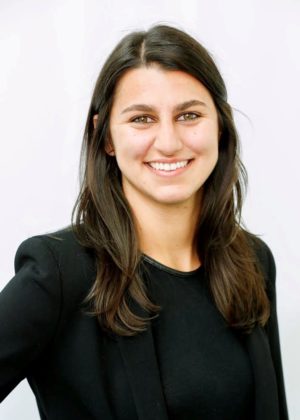




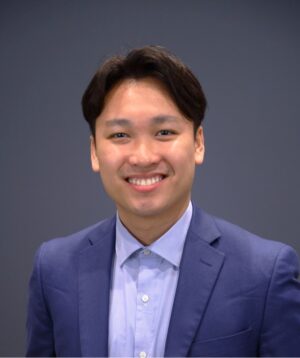



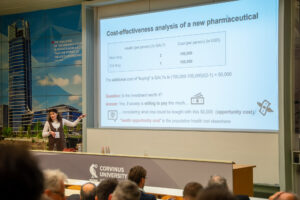


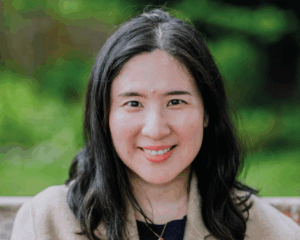






 Olivia Yip, 2nd Year MS Fellow


 CHOICE PhD student Hui-Hsuan Chan was selected as the School’s 2025 Magnuson Scholar—an honor presented annually to one student from each of UW’s six Health Sciences schools. Funded by the Warren G. Magnuson Institute, the award recognizes both academic achievement and the potential for impactful research in fields like diabetes and public health.
 Zizi Elsisi, a PhD graduate of the CHOICE Institute, was honored with the 2025 Outstanding Dissertation Award for her rigorous and timely work on subscription-based payment models for Hepatitis C treatment in Louisiana and Washington.
 Chris Arian, from the Department of Pharmaceutics, also received the 2025 Outstanding Dissertation Award for his development of an intestinal microphysiological system (MPS) using a long-term cultured enteroid monolayer model. His innovative research is poised to significantly advance the field of drug metabolism and drug–drug interaction (DDI) prediction.
 PhD candidate Aurora Authement was recognized with the School’s 2025 Graduate Student Leadership Award for her outstanding contributions to the Pharmaceutics Department and her mentorship within the student community.
 Medicinal Chemistry PhD candidate Alesi Escobedo was selected for the 2025 Graduate Student Leadership Award in recognition of her exceptional service, mentorship, and positive impact across the department.
 Tori Dayer, PharmD and current PhD student at the CHOICE Institute, received the 2025 Graduate Student Leadership Award for her lasting impact on the program and her peers.
 The UWSoP is proud to announce that CHOICE PhD student Hui-Hsuan Chan was selected last month as a 2025 Magnuson Award recipient. With a keen interest in improving healthcare sustainability through robust health economics research, Hui-Hsuan focuses on managing high-cost chronic conditions like diabetes in an effort to alleviate their economic burden.
 We’re excited to share that Manpreet Dhankhar, a PhD student from
  In their new JAMA Network Open study, PhD candidate Felipe Montano-Campos, Associate Professor Aasthaa Bansal, and co-authors tracked 5 years of monthly tyrosine kinase inhibitor (TKI) adherence in chronic myeloid leukemia (CML) patients.
 To rule out the possibility that concordant relationships were driven by patient selection or provider sorting, the team formally tested whether concordance was associated with underlying clinical, sociodemographic, or care-seeking characteristics. It was not — the association with adherence remained robust.

 Last autumn,
  A recent study published in Value in Health by Julia Fox – a 3rd year PhD student at the CHOICE Institute – and coauthors reveals the staggering indirect costs of Alzheimer’s disease (AD), emphasizing the financial impact of unpaid caregiving and lost productivity across all stages of the disease.


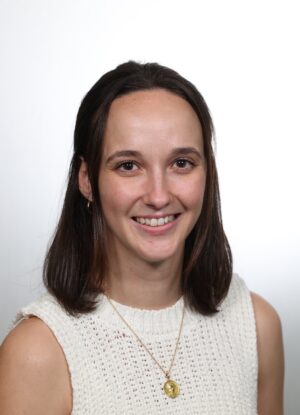



 The National Academy of Medicine (NAM) has selected the UW School of Pharmacy’s Jennifer Bacci, Endowed Associate Professor in Innovative Pharmacy Practice, as one of seven outstanding health professionals for the class of 2024 NAM Fellowships. The fellows were chosen based on their professional qualifications, reputations and accomplishments, and the relevance of their current field expertise to the work of the NAM and the National Academies of Sciences, Engineering, and Medicine.
 Lou was also able to visit the “Little Switzerland” by Lake Buraby, north of Astana, where he encountered a group of students eager to meet a UW faculty member.

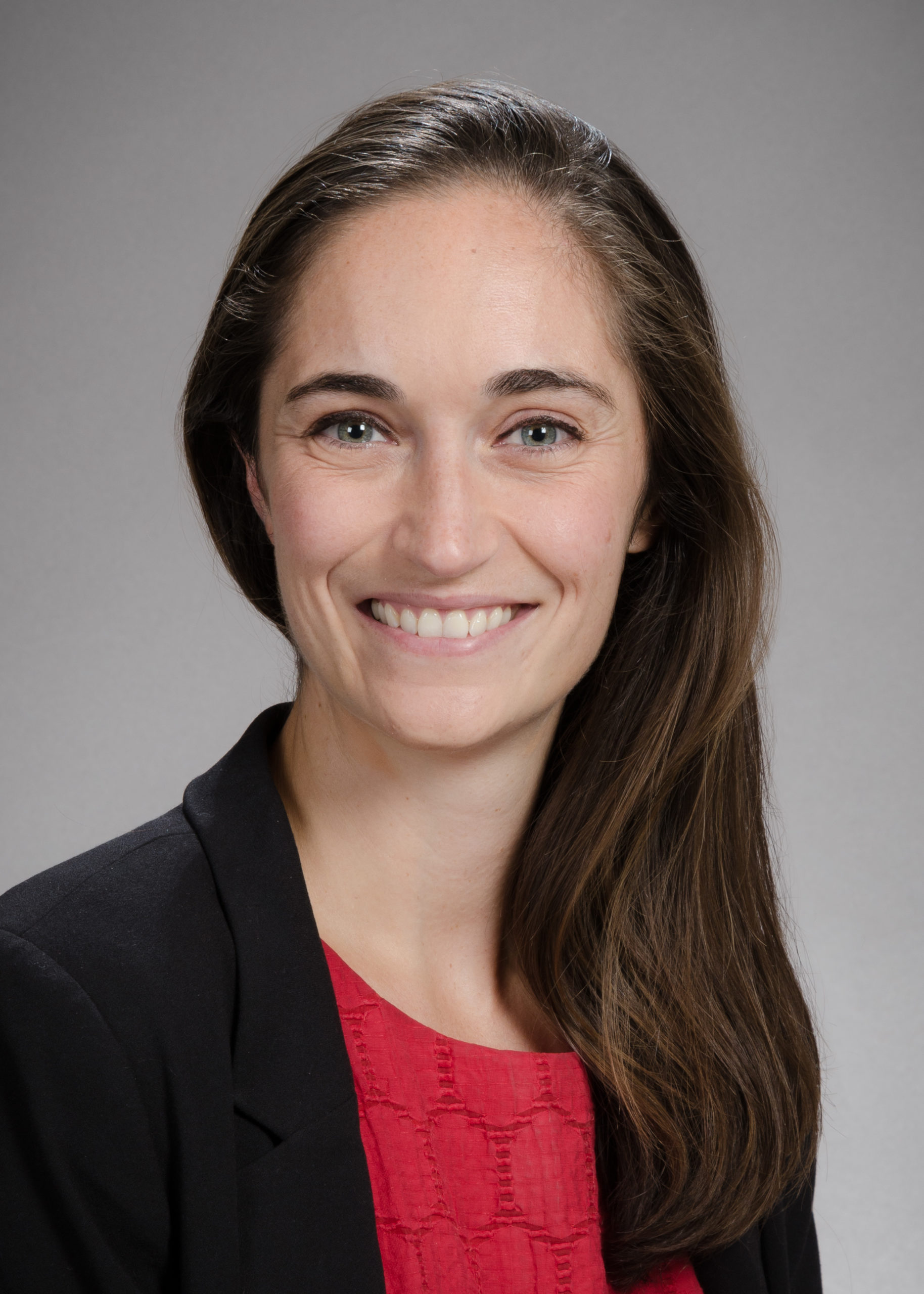

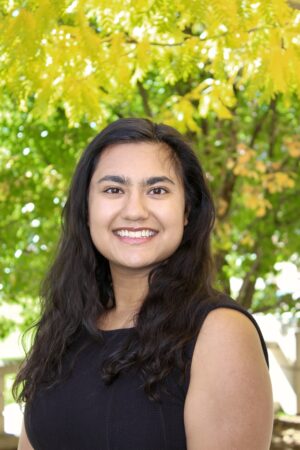

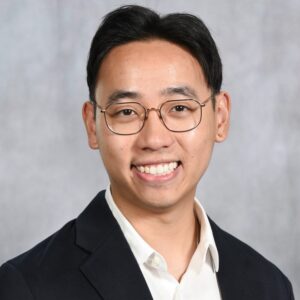

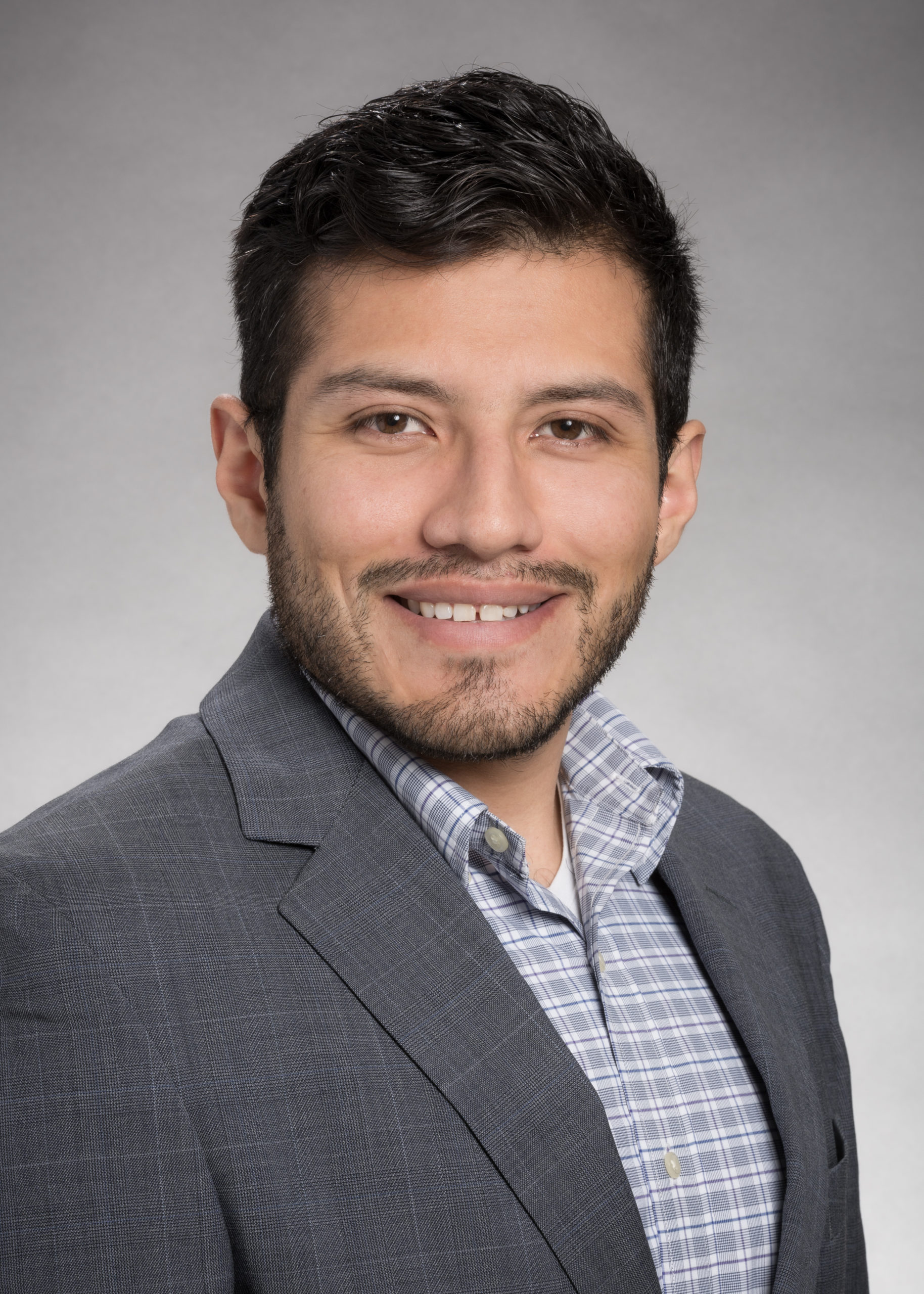
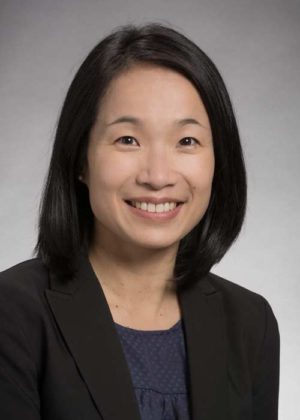

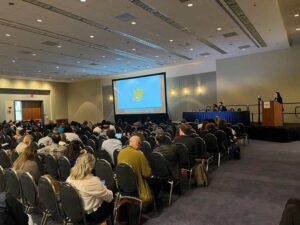
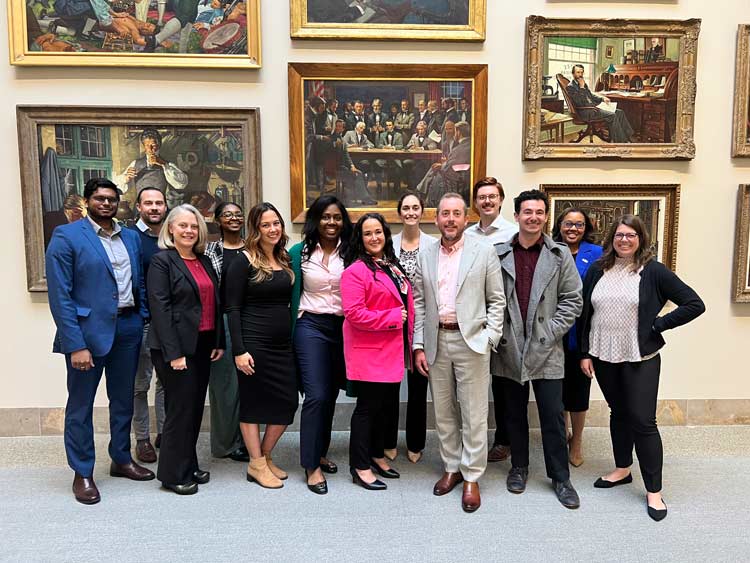
 UW School of Pharmacy & CHOICE Institute Professor Andy Stergachis co-led an invitational workshop at the University of Oxford to discuss research on the relationship between substandard and falsified antimicrobials and antimicrobial resistance. Held on March 20-22, 2023, it was organized by the University of Washington Institute for Health Metrics Sciences and Global Medicines Program and the Medicine Quality Research Group FORESFA project in the Centre for Tropical Medicine & Global Health, University of Oxford. It brought together microbiologists, pharmacists, modelers, physicians, epidemiologists, implementers, policy makers and funders interested in this issue to help guide a newly funded continuation of the Global Research on Antimicrobial Resistance (GRAM) Project,


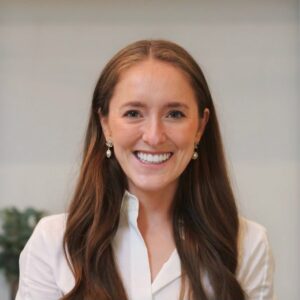


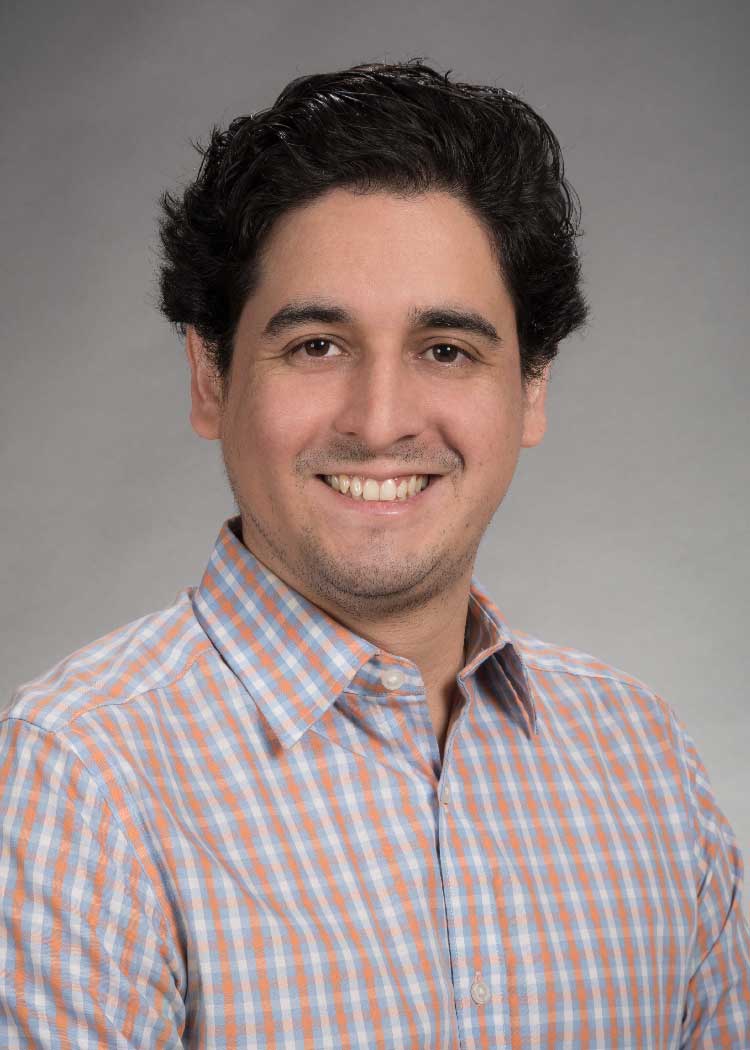
 The UW School of Pharmacy is proud to announce that Yilin Chen, a PhD candidate in The CHOICE Institute, has been selected as one of the Magnuson Scholars for the 2022–2023 academic year.
 UWSOP Professor and Associate Director David Veenstra, along with Vanderbilt University Professor Josh Peterson, and Geisinger Health Assistant Professor Jing Hao, have been awarded a 5-year, $4.5M grant from the National Human Genome Research Institute (NHGRI) to evaluate the clinical and economic outcomes of screening for cancer and cardiovascular disease risk using Polygenic Risk Scores (PRS).
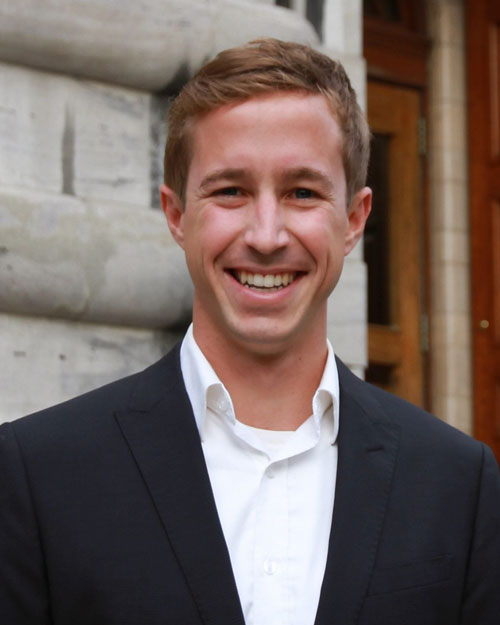

 The CHOICE Institute has partnerships with four pharmaceutical and biotechnology companies that sponsor two-year fellowship programs for recent PharmD graduates. The trainee spends a year with us at UW earning an MS degree, and then one year gaining on the ground experience with their sponsor company.
 The Pharmacy Leadership and Education Institute has named UWSOP’s Jennifer Bacci the 2021 recipient of the Albert B. Prescott Pharmacy Leadership Award. Dr. Bacci is recognized for her outstanding leadership example in the Academia-CPESN Transformation (ACT) Pharmacy Collaborative Task Force by the American Association of Colleges of Pharmacy (AACP), as a Flip the Pharmacy coach, and as a network facilitator for Community Pharmacy Enhanced Services Network (CPESN) Washington.
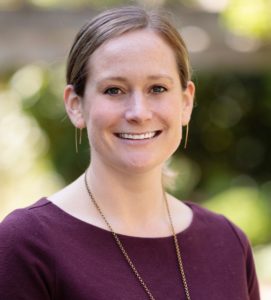 We are excited to announce that Elizabeth (Lizzy) Brouwer, PhD, will be re-joining the CHOICE Institute as a research scientist. Lizzy will be working on our ICER project team as a lead modeler. In this role, she will develop cost-effectiveness models and participate in the development of ICER project reports. Her first project, topic TBD, is scheduled for the July 2021 public meeting.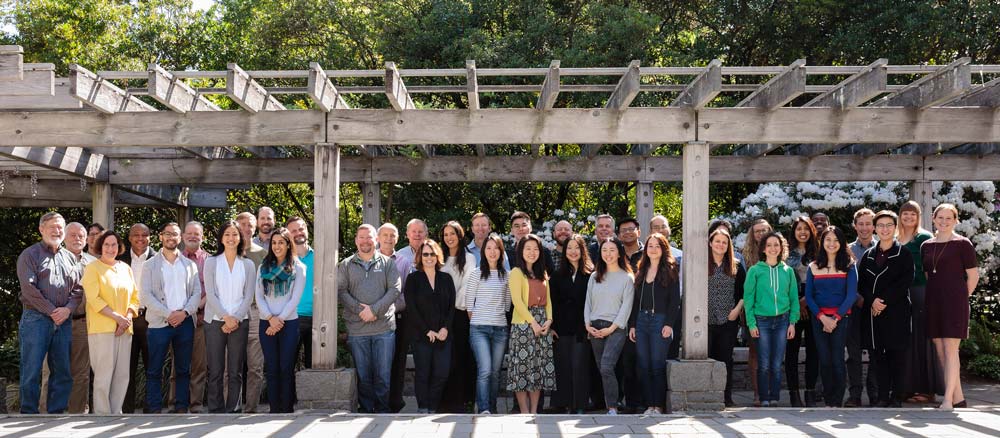


 In September, UW School of Pharmacy CHOICE alum Jonathan D. Campbell, PhD, will become Senior Vice President for Health Economics at the Institute for Clinical and Economic Review (ICER). Having collaborated with ICER closely over the past five years, Campbell will oversee the growth of ICER’s health economics team and lead in the future innovation of ICER’s value assessment methodology. In addition, he will continue to build ICER’s relationships with health economists around the country and with health technology assessment (HTA) agencies around the world.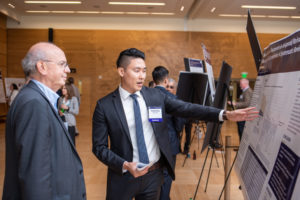


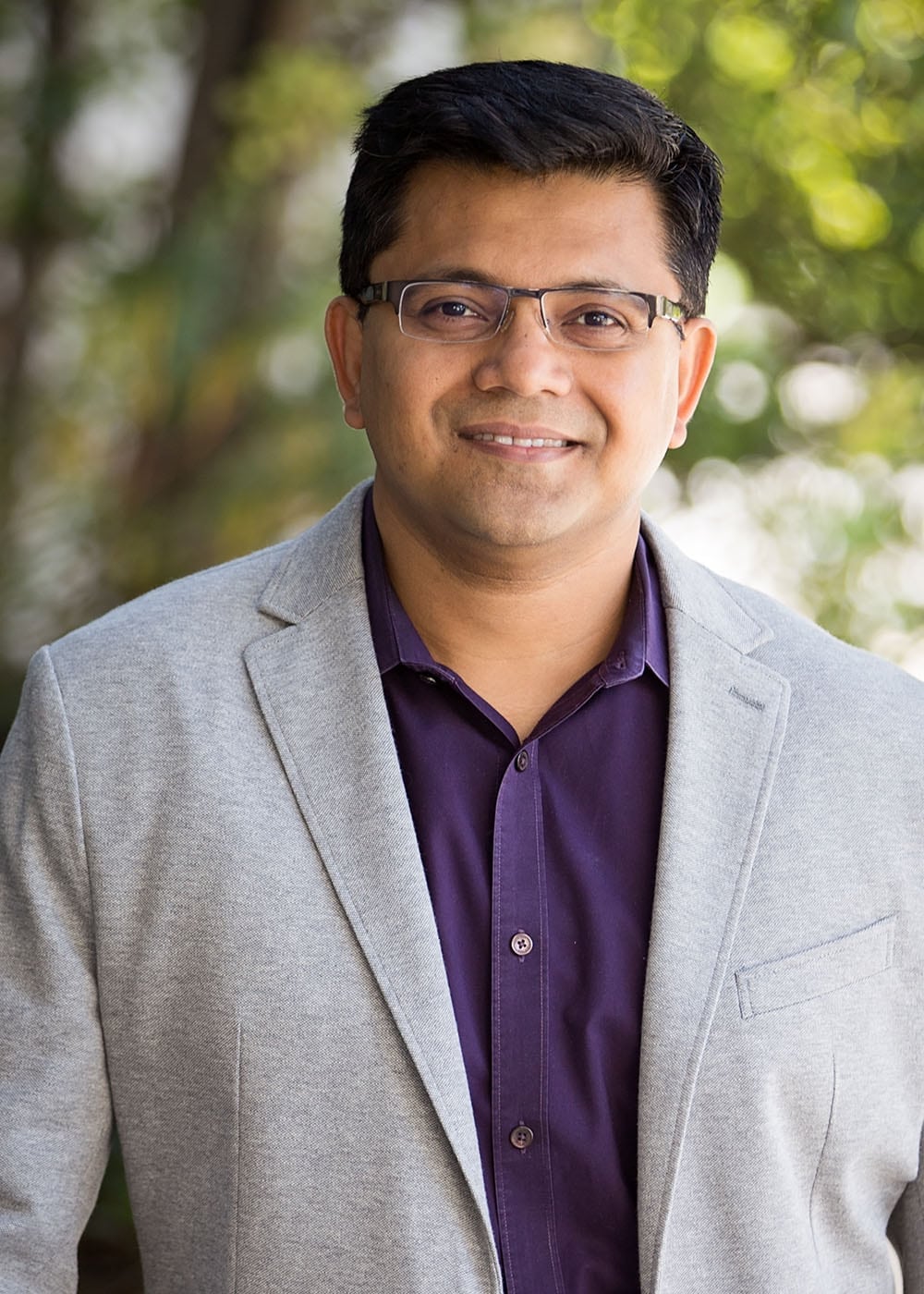

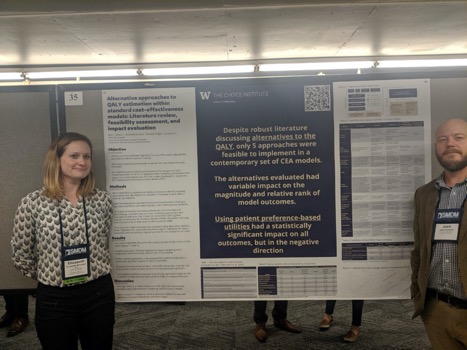 The Society for Medical Decision Making (SMDM) brings together researchers, clinicians, educators, managers, and policy makers from diverse backgrounds and disciplines. SMDM is the leading society for studying and advancing decision sciences in health, including incorporation of patients’ values and preferences. It promotes scientific and methodological rigor in health care decision research and its application to health policy and clinical care.
 CHOICE alum
  CHOICE faculty member



 Abhinav Nath, PhD, Associate Professor, Department of Medicinal Chemistry

 Brian Werth, PharmD, Associate Professor, Department of Pharmacy
 Cathy Yeung, PharmD, PhD, Assistant Professor, Department of Pharmacy

 Jackie Gardner | Epidemiologist & Legendary Advocate for Increased Access to Care
 Don Downing, ’75 | Advocate for Pharmacy and Women’s Reproductive Health
 Jennifer Bacci | Assistant Professor & Community Pharmacy Researcher



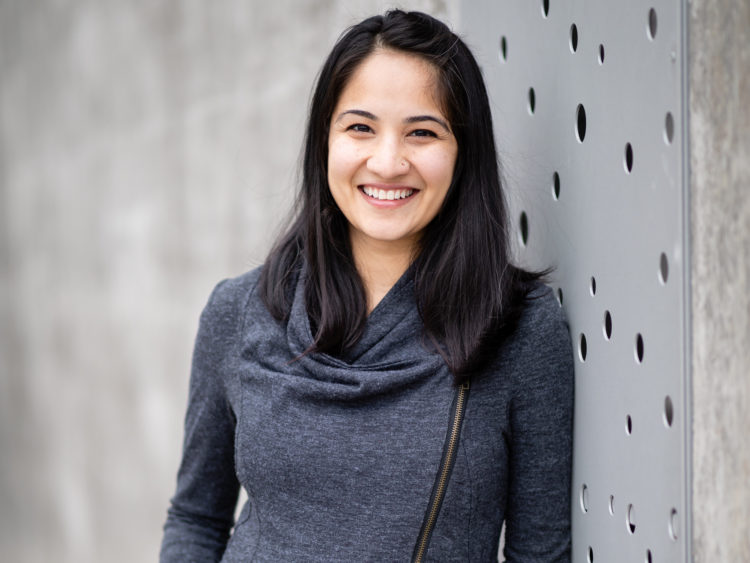
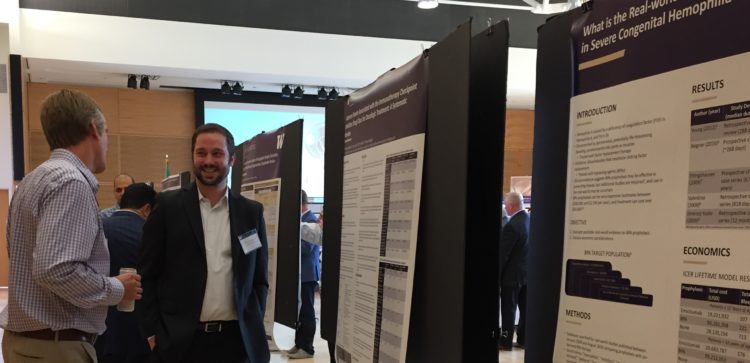

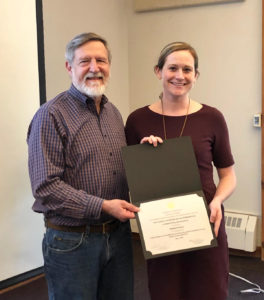
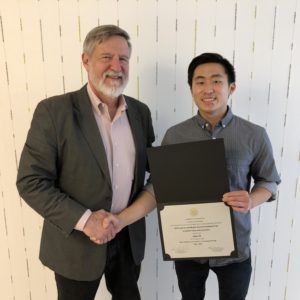
 This summer, through the Stergachis Fellowship, CHOICE PhD student Enrique Saldarriaga will be conducting research in Kenya on estimating the cost of cervical cancer screening. Working with Dr. Ruanne Barnabas, their project aims to estimate the lower-cost of five different techniques of STI screening. They hope to develop an investment case for HIV and cervical cancer interplay infections.

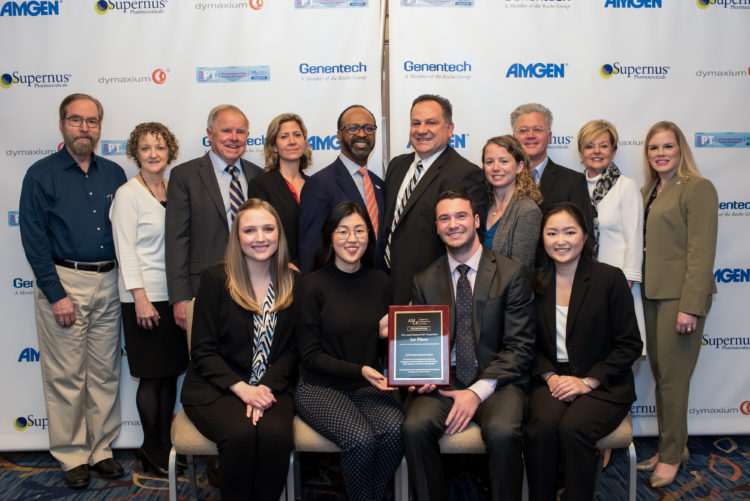

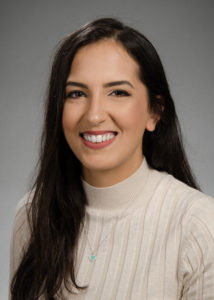

 CHOICE faculty member Doug Barthold was awarded the Alzheimer’s Disease Research Center Pilot Award, for a proposal titled “Alzheimer’s disease related neuropathology among patients with medication treated type 2 diabetes in a community-based autopsy cohort.”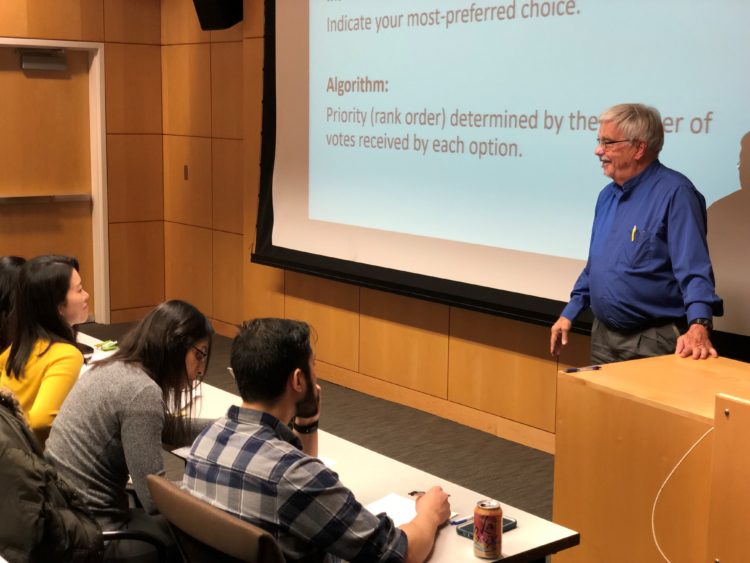
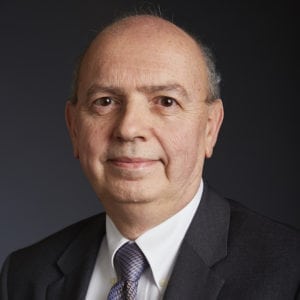
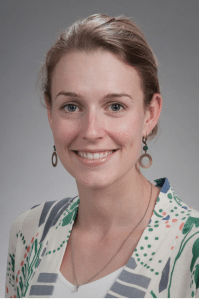
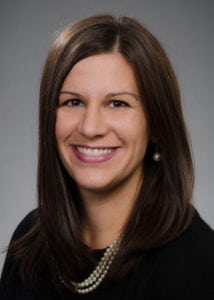

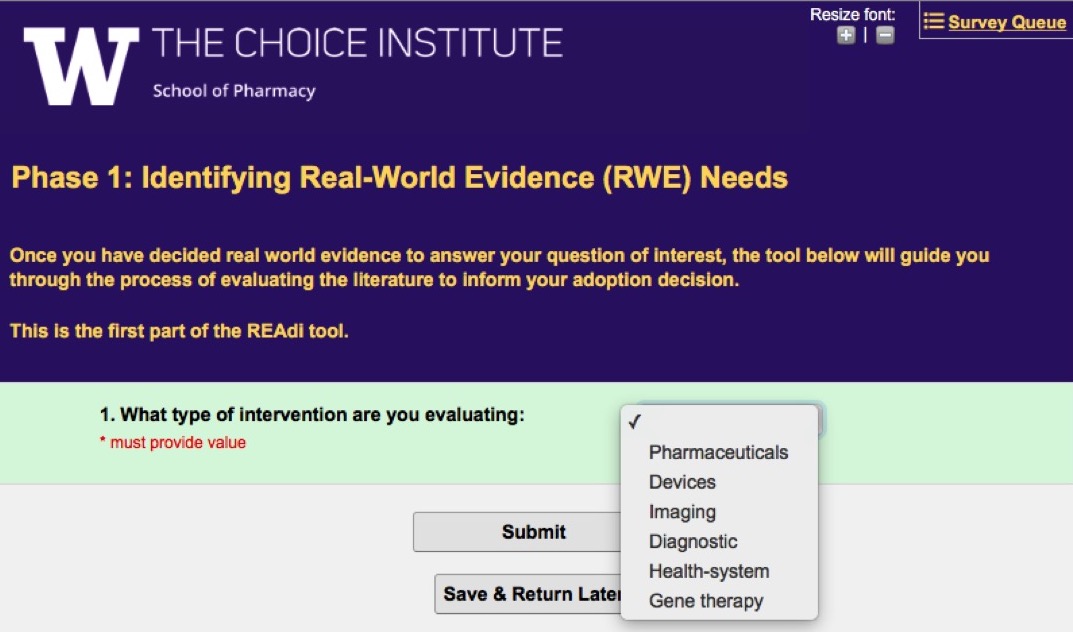
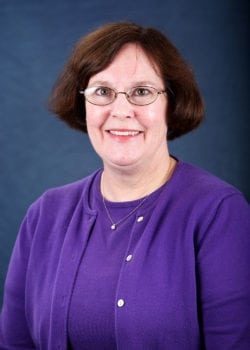

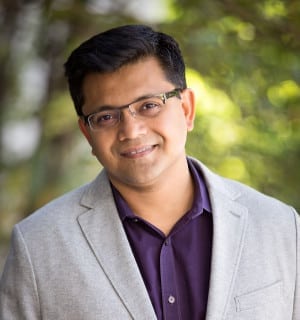


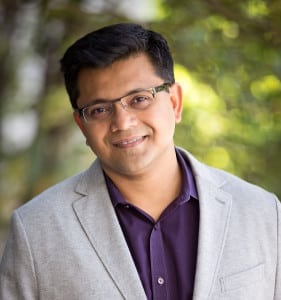







 CHOICE Institute & the Hutchinson Institute for Cancer Outcomes Research (HICOR) Joint Seminar

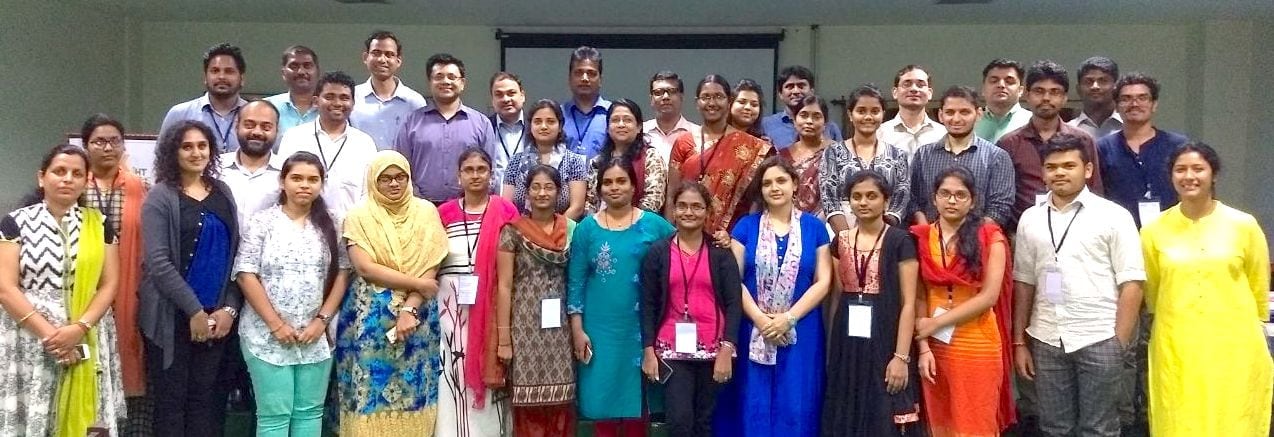

 Meng Li, a 5th year CHOICE PhD candidate, along with Kai Yeung (CHOICE Alum), and Josh Carlson (CHOICE Faculty) won Journal of Managed Care & Specialty Pharmacy’s (JMCP) Best Paper Award. The paper was submitted to JMCP as a Research Brief. They simulated the costs and outcomes of trastuzumab for the treatment of metastatic breast and gastric cancers, under the traditional indication-based pricing (IBP) framework using clinical trials data and the outcomes guarantee framework using data from observational studies.
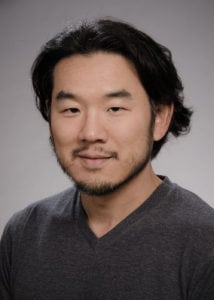 Mark Bounthavong, 5th year CHOICE PhD candidate, has been nationally recognized by the U.S. Department of Veterans Affairs and was invited to speak on the topic of improving medication safety for veterans. His goal is to educate providers using unbiased, noncommercial evidence so that they can provide the best care for Veterans.
 Since January 2017, CHOICE PhD student Simrun (Simi) Grewal has worked with UW’s Strategic Training, Analytics, and Research Center (START) as a research assistant with the Bill & Melinda Gates Foundation’s (BMGF) Integrated Portfolio Management (IPM) Team.

 Fellows and projects will be selected by a committee of faculty in The CHOICE Institute based on academic merit. Generally, awards will be made to second and higher year students in CHOICE. Fellows will have a CHOICE faculty mentor as well as an advisor from WRF.
 The main question being asked right now is whether or not widespread genomic screening will be a cost effective method of preventative medicine for patients. Many predict that this is the future of health care because it will better inform health care providers about the individual patient, in other words, personalized medicine at a genomic level. The cost of widespread genomic testing in the United States would fall mainly to insurance companies—and they will want to be sure that testing does not open the door to unsustainable health care costs, says Veenstra.