Polar bear health
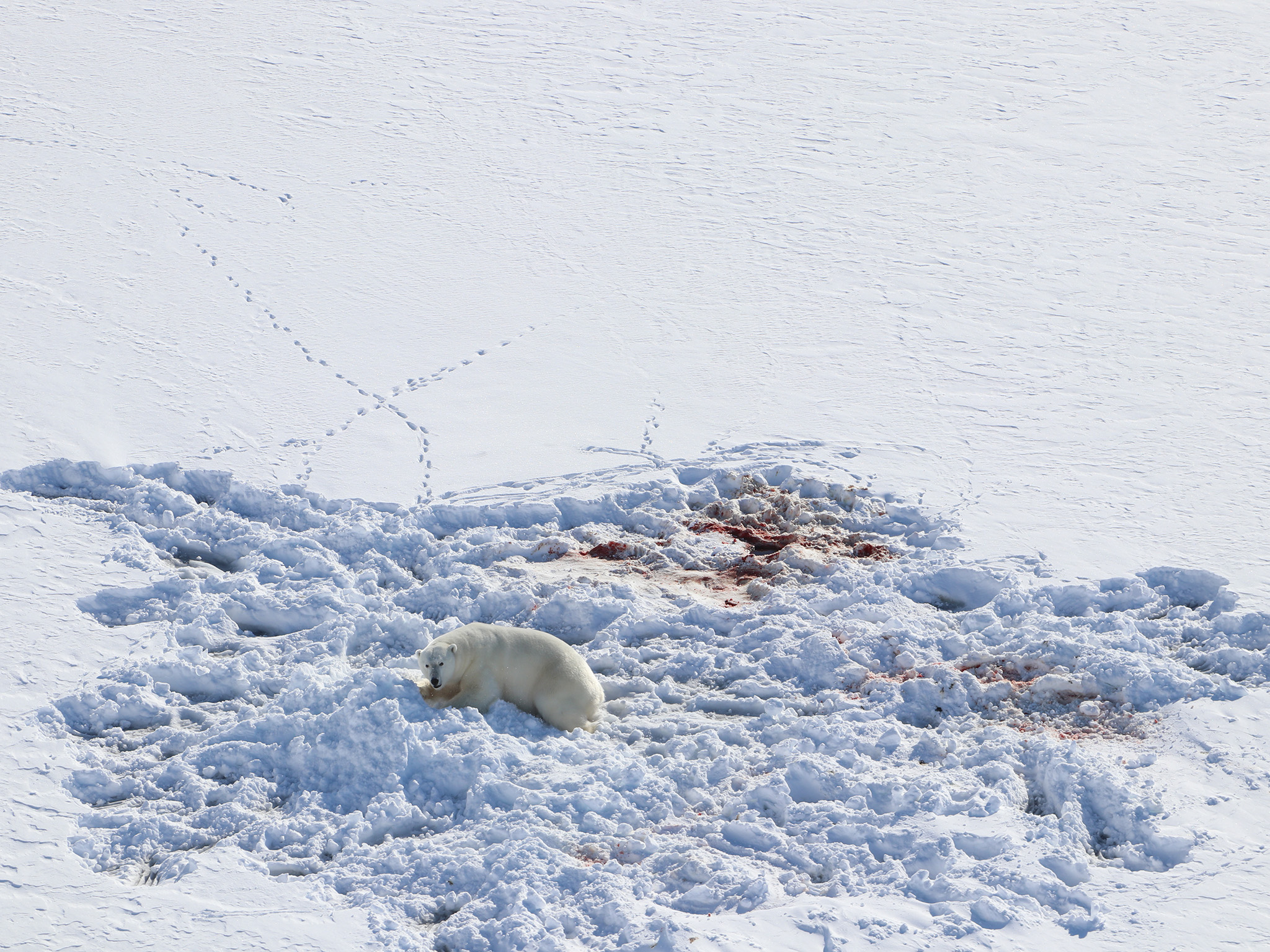
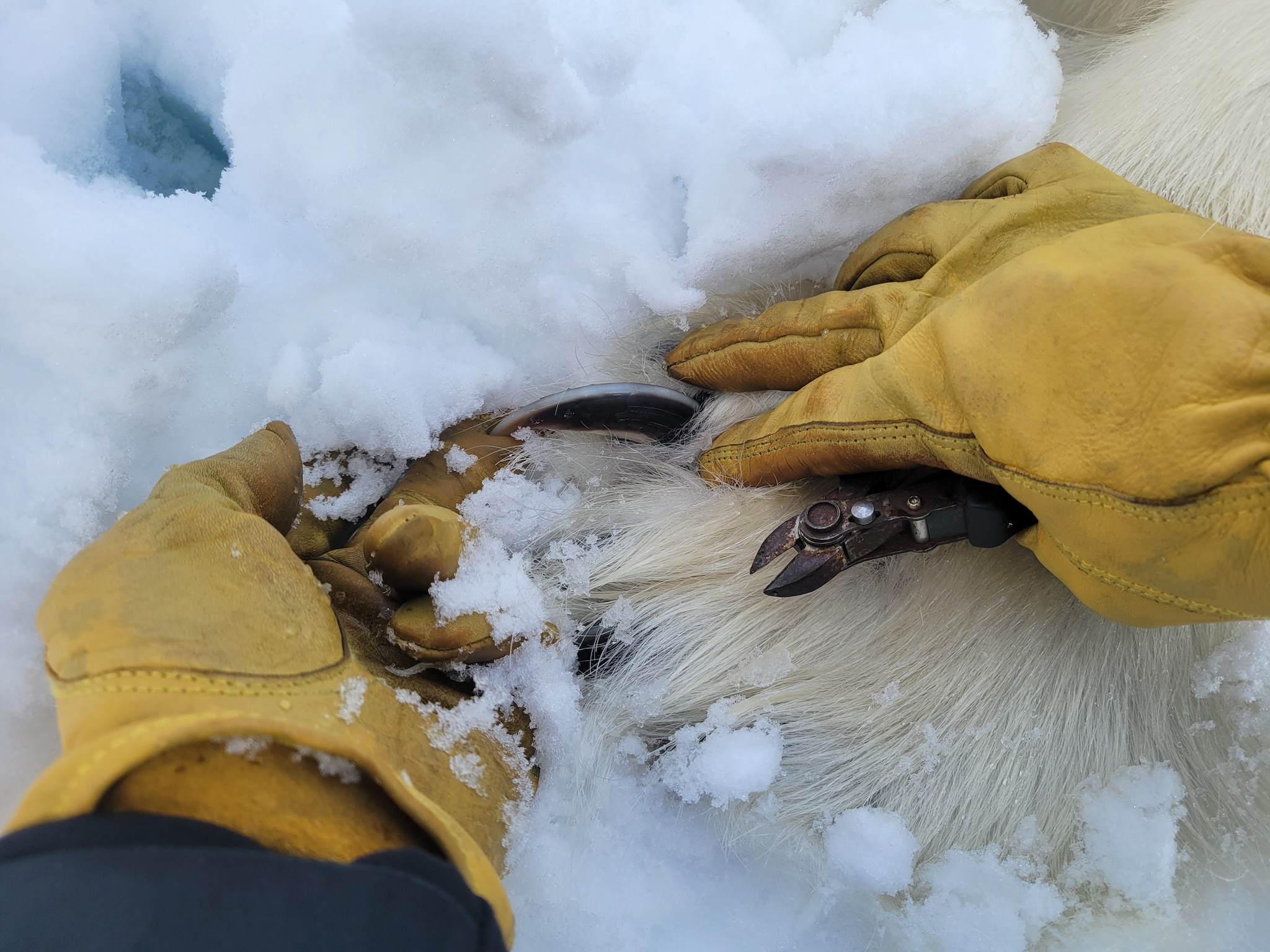
We lack a comprehensive understanding of the trends in overall health status, disease, and health outcomes for polar bears. However, as the Arctic warms, we are seeing increased nutritional stress, chronic physiological stress, increased exposure to contaminants, increased frequency of human interaction, introduction of novel diseases and parasites, and increased exposure to competitors. I work with ecologists, physiologists, veterinarians, and medical doctors to answer questions about polar bear health. Much of the data are collected directly from individual bears during wild captures. Sometimes these data are compared to similar samples collected from the zoo-housed population in collaboration with facilities across North America. I have worked on questions pertaining to the development of allostatic load models representing cumulative physiological dysregulation, blood biomarkers such as hemoglobin A1c (HbA1c), steroid and protein hormones, novel pathogens (e.g., highly pathogenic avian influenza), parasites (e.g., Trichinella spp. and Toxoplasma gondii), and bacterial infections. The broad goal is to better understand how a warming climate is impacting wildlife and how we can detect and track suppression of the immune system to benefit conservation and management. Students who work with me on these topics are often interested in physiology, pathology, or veterinary medicine.